 Preview
 Send
Send Share
Share
 Details

 Download
 Similars
 X-Ray
X-Ray Diaporama
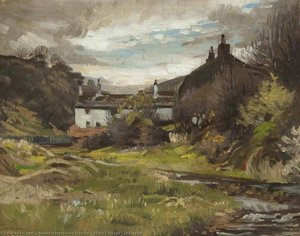
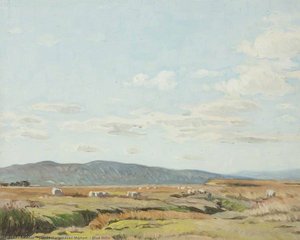
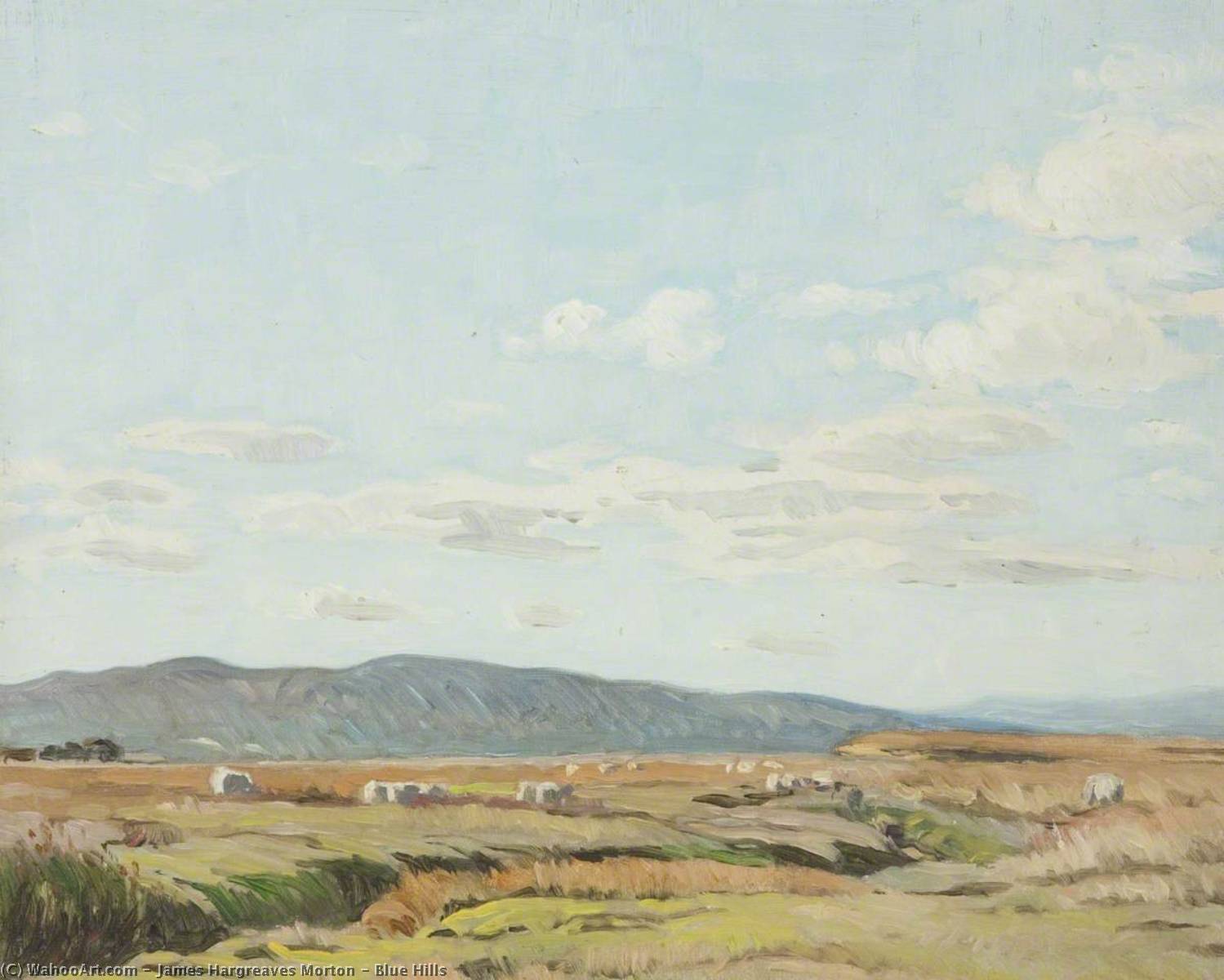
Blue Hills
 30.0 x 38.0 cm
 Read More
Hand Made Oil Reproduction
Hand-painted oil on canvas in your size and frame, made to order by our artists. ( Buy Print Buy Image)




































Pick from our preset sizes that match the artwork's original proportions.

You may enter your own dimensions to fit a specific frame or space. If your selected size does not match the original image's proportions, we will either crop the artwork or extend the painting with additional hand-painted elements. A digital mockup will be sent for your approval before production begins.
Please note that the on-screen preview does not reflect the actual cropping or extension. Only the mockup will accurately show the final composition.
While custom sizes are available, we recommend selecting a dimension from the predefined list to preserve the original proportions.
After order, ArtsDot.com team will email client for instructions and provide a mockup preview
Worldwide Delivery () in 3/4 weeks instead of standard 5 weeks. (20 August). No compromise on quality.

Free Worldwide Express Shipping

High-Quality Linen Canvas

Full Shipping Insurance

Customs Tax Refund Guarantee

True Color Matching Guarantee

60-Day Return Policy (Defects Only)

100% Money-Back Guarantee

Bulk Discount Offer
 Glass option is only available in size under 110 CM

Blue Hills
Reproduction Medium
Reproduction Size
-


Total Price
$ 263
Related Artworks
Artist Biography
James Hargreaves Morton: A Vision of Rural England
James Hargreaves Morton (1881-1918) remains a quietly compelling figure in British art, an Impressionistic painter who captured the essence of rural life in Lancashire with remarkable sensitivity and detail. Born into a family of cotton workers in Darwen – a town deeply intertwined with the industrial heartland of England – Morton’s artistic journey was initially shaped by his humble origins and a keen observation of the world around him. His work, often characterized by muted palettes, loose brushstrokes, and an intimate portrayal of landscapes and wildlife, offers a poignant glimpse into a vanishing era of rural England, imbued with both beauty and melancholy.
Morton’s early life provided a unique foundation for his artistic development. He received a basic education at local schools, including the Darwen Technical School and Higher Grade School, where he demonstrated an aptitude for drawing and perspective – skills that would later inform his meticulous depictions of trees, fields, and farmhouses. Crucially, he benefited from access to educational opportunities afforded by his family’s circumstances, a rare privilege for children of working-class families at the time. This early exposure to artistic principles, combined with his innate observational abilities, laid the groundwork for his distinctive style. His mother's untimely death in 1906, and subsequent struggles within the family, are believed to have spurred him towards pursuing art as a means of expression and livelihood.
- Early Influences: While specific artistic influences remain somewhat elusive due to limited documentation, it’s reasonable to suggest that Morton was influenced by the broader Impressionist movement, particularly the works of Claude Monet and John Constable. The emphasis on capturing fleeting moments of light and atmosphere, combined with a focus on everyday subjects, resonates strongly in his paintings.
- Technique: Morton's technique is characterized by a deliberate avoidance of sharp outlines and precise detail. Instead, he employed loose brushstrokes and layered washes of color to create a sense of depth and atmosphere. He skillfully utilized light and shadow to evoke the changing moods of the landscape, particularly during dawn and dusk.
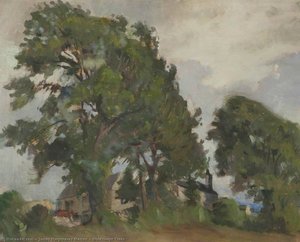
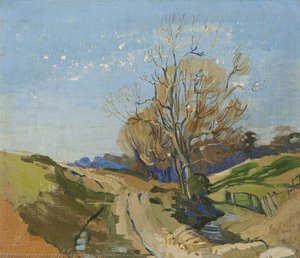
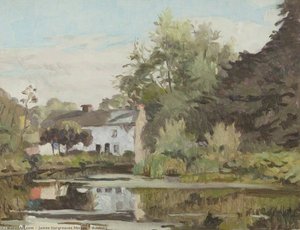
- Subject Matter: His paintings predominantly feature scenes from rural Lancashire – windswept trees, quiet cottages, flocks of birds in flight, and glimpses of farm life. These subjects were not merely decorative; they reflected a deep connection to his roots and a profound appreciation for the natural world.
A Brief but Significant Career
Morton’s artistic career unfolded during a period of significant social and political upheaval in Britain. The early 20th century witnessed the rise of industrialization, urbanization, and growing social unrest. Despite these challenges, Morton continued to paint prolifically, exhibiting his work locally and establishing a modest reputation within the art community. His paintings were often displayed at local exhibitions and sold through various galleries, providing him with a limited but sustainable income.
A particularly intriguing episode in his life occurred during World War I when he was briefly suspected of espionage due to his sketching in the Lake District. This incident highlights the anxieties and suspicions prevalent during wartime, as well as the perceived threat posed by artists who documented the natural world. His military service, though brief, underscores the societal pressures faced by young men at the time.
Notable Works
- “White Cottage Landscape” (1908): This painting exemplifies Morton’s signature style – a serene depiction of a rural scene bathed in soft light. The composition is carefully balanced, with a small cottage nestled amidst rolling hills and trees. The use of earthy tones creates a sense of tranquility and timelessness.
- “Windswept Trees” (1912): This work captures the drama of a windswept landscape, with gnarled trees bending in the wind. The loose brushstrokes convey a sense of movement and energy, while the muted palette evokes the feeling of a damp autumn day.
- “Christine Hargreaves” (1960): This painting is an evocative portrait of Christine Hargreaves, one of the stars of Coronation Street. It captures her beauty and grace with a delicate touch.
Legacy and Historical Significance
Despite his relatively short career, James Hargreaves Morton left behind a significant body of work that offers valuable insights into the social and cultural landscape of early 20th-century Britain. His paintings are not merely representations of rural scenes; they are imbued with a sense of nostalgia for a disappearing way of life. Morton’s work is now recognized as an important example of British Impressionism, showcasing the unique artistic vision of a talented artist who captured the beauty and melancholy of his native Lancashire.
His story serves as a reminder that art can emerge from unexpected places – in the homes of working-class families, amidst the challenges of industrialization, and within the quiet corners of rural England. James Hargreaves Morton’s legacy continues to inspire artists and art lovers alike, reminding us of the enduring power of observation, empathy, and artistic expression.
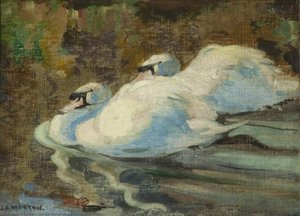
james hargreaves morton
1881 - 1918
Quick Facts
- Artistic Movement Or Style: Impressionism
- Artists Or Movements Influenced By This Artist: ['None specified']
- Artists Who Influenced This Artist: ['None specified']
- Date Of Birth: Oct 22, 1881
- Date Of Death: Nov 6, 1918
- Full Name: James Hargreaves Morton
- Nationality: British
- Notable Artworks:
- White Cottage Landscape
- Windswept Trees
- Place Of Birth: Darwen, Lancashire, UK