 Preview
 Send
Send Share
Share
 Details

 Download
 Similars
 X-Ray
X-Ray Diaporama
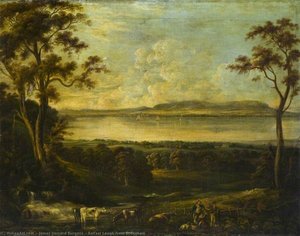
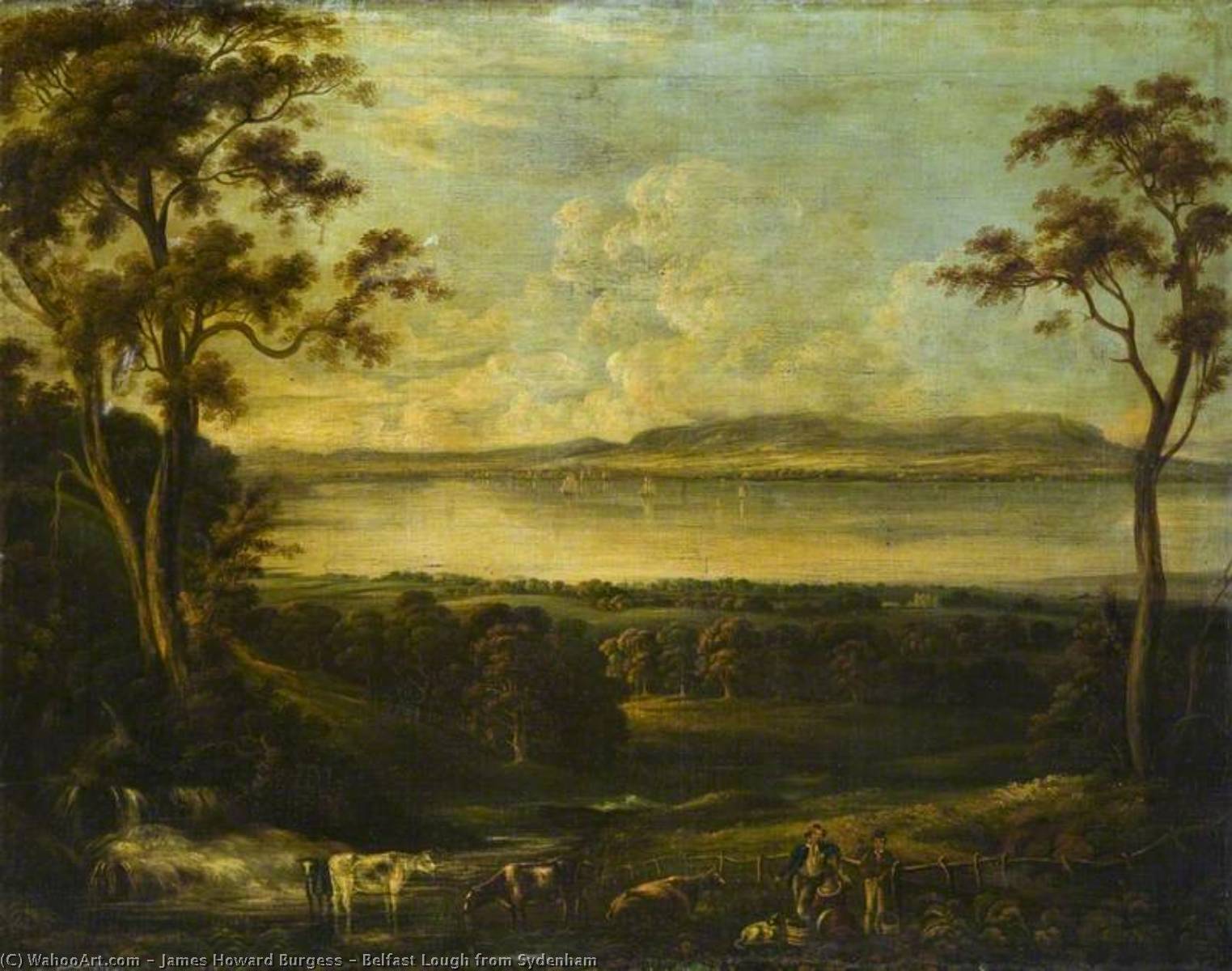
Belfast Lough from Sydenham
 71.0 x 91.0 cm
 Read More
Hand Made Oil Reproduction
Hand-painted oil on canvas in your size and frame, made to order by our artists. ( Buy Print Buy Image)




































Pick from our preset sizes that match the artwork's original proportions.

You may enter your own dimensions to fit a specific frame or space. If your selected size does not match the original image's proportions, we will either crop the artwork or extend the painting with additional hand-painted elements. A digital mockup will be sent for your approval before production begins.
Please note that the on-screen preview does not reflect the actual cropping or extension. Only the mockup will accurately show the final composition.
While custom sizes are available, we recommend selecting a dimension from the predefined list to preserve the original proportions.
After order, ArtsDot.com team will email client for instructions and provide a mockup preview
Worldwide Delivery () in 3/4 weeks instead of standard 5 weeks. (26 August). No compromise on quality.

Free Worldwide Express Shipping

High-Quality Linen Canvas

Full Shipping Insurance

Customs Tax Refund Guarantee

True Color Matching Guarantee

60-Day Return Policy (Defects Only)

100% Money-Back Guarantee

Bulk Discount Offer
 Glass option is only available in size under 110 CM

Belfast Lough from Sydenham
Reproduction Medium
Reproduction Size
-


Total Price
$ 263
Related Artworks










Artist Biography
Early Life and Artistic Beginnings
James Howard Burgess, born circa 1817, remains a somewhat enigmatic figure in the annals of 19th-century maritime painting. While precise details surrounding his early life are scarce, it is known that he developed a profound connection to the coastal landscapes of Ireland, particularly Belfast Lough and its environs. This geographical and emotional grounding would become the defining characteristic of his artistic career. Unlike many artists who received formal training in established academies, Burgess appears to have been largely self-taught, honing his skills through direct observation and an innate talent for capturing the nuances of light and atmosphere. His early works demonstrate a meticulous attention to detail, foreshadowing the realism that would become his signature style.
A Chronicler of Belfast’s Industrial Transformation
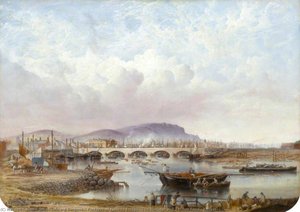
Burgess's artistic output is inextricably linked to the rapid industrialization of Belfast during the mid-19th century. He wasn’t merely depicting scenes; he was documenting a period of dramatic change, capturing the bustling harbor activity, the burgeoning shipbuilding industry, and the evolving urban landscape. His painting ‘Prospect of Queens Bridge, The Harbour and Timber Pond, Belfast’ (1858) is perhaps his most celebrated work, offering a romantic yet remarkably accurate portrayal of the city at this pivotal moment. The canvas teems with life – ships unloading cargo, workers toiling on the docks, and the imposing presence of the Queen's Bridge itself. The detailed realism isn’t simply about technical prowess; it conveys a sense of civic pride and an appreciation for the industrious spirit of the era.
Naval Scenes and Architectural Precision
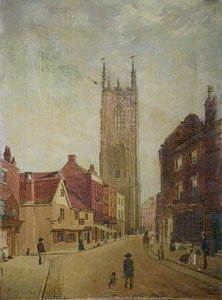
While best known for his Belfast Lough paintings, Burgess also produced a significant body of work featuring naval scenes and architectural studies. These pieces reveal a keen eye for perspective and a mastery of depicting complex structures. His depictions of ships are not just aesthetically pleasing; they demonstrate an understanding of nautical detail, suggesting he may have spent time observing vessels firsthand. Similarly, his paintings of churches and other buildings showcase a precision that goes beyond mere representation – he captures the texture of stone, the play of light on facades, and the overall grandeur of these architectural landmarks. This versatility suggests a broad artistic curiosity and a willingness to tackle diverse subjects.
Influences and Artistic Style
Pinpointing specific influences on Burgess’s style is challenging given the limited documentation surrounding his life. However, one can detect echoes of the Romantic landscape tradition in his work, particularly in his use of atmospheric effects and dramatic lighting. The influence of artists like J.M.W. Turner, known for their evocative depictions of maritime scenes, cannot be entirely discounted. Yet, Burgess’s style is distinctly his own – a blend of realism, romantic sensibility, and an unwavering focus on the specific details of his chosen subjects. He wasn't striving for grand allegorical statements; he was committed to capturing the tangible reality of the world around him. His paintings are characterized by a sense of calm observation, allowing viewers to immerse themselves in the scenes he so meticulously rendered.
Legacy and Historical Significance
James Howard Burgess’s work offers a valuable glimpse into the social and industrial history of 19th-century Ireland. His paintings serve as important visual records of Belfast Lough during a period of unprecedented growth and transformation. While not widely recognized during his lifetime, his art has gained increasing attention in recent years, thanks to efforts by institutions like Art UK and online platforms dedicated to preserving historical artwork. His legacy lies in his ability to capture the spirit of an era – the energy, the ambition, and the everyday life of a city on the rise. He stands as a testament to the power of art to document history, preserve memory, and connect us to the past.

Quick Facts
- Artistic Movement Or Style: Maritime painting
- Date Of Birth: c.1810
- Date Of Death: 1890
- Full Name: James Howard Burgess
- Nationality: Irish, British
- Notable Artworks:
- Prospect of Queens Bridge
- The Beechwood
- All Saints' Church Tower