

 Preview
 Send
Send Share
Share
 Details

 Download
 Similars
 X-Ray
X-Ray Diaporama
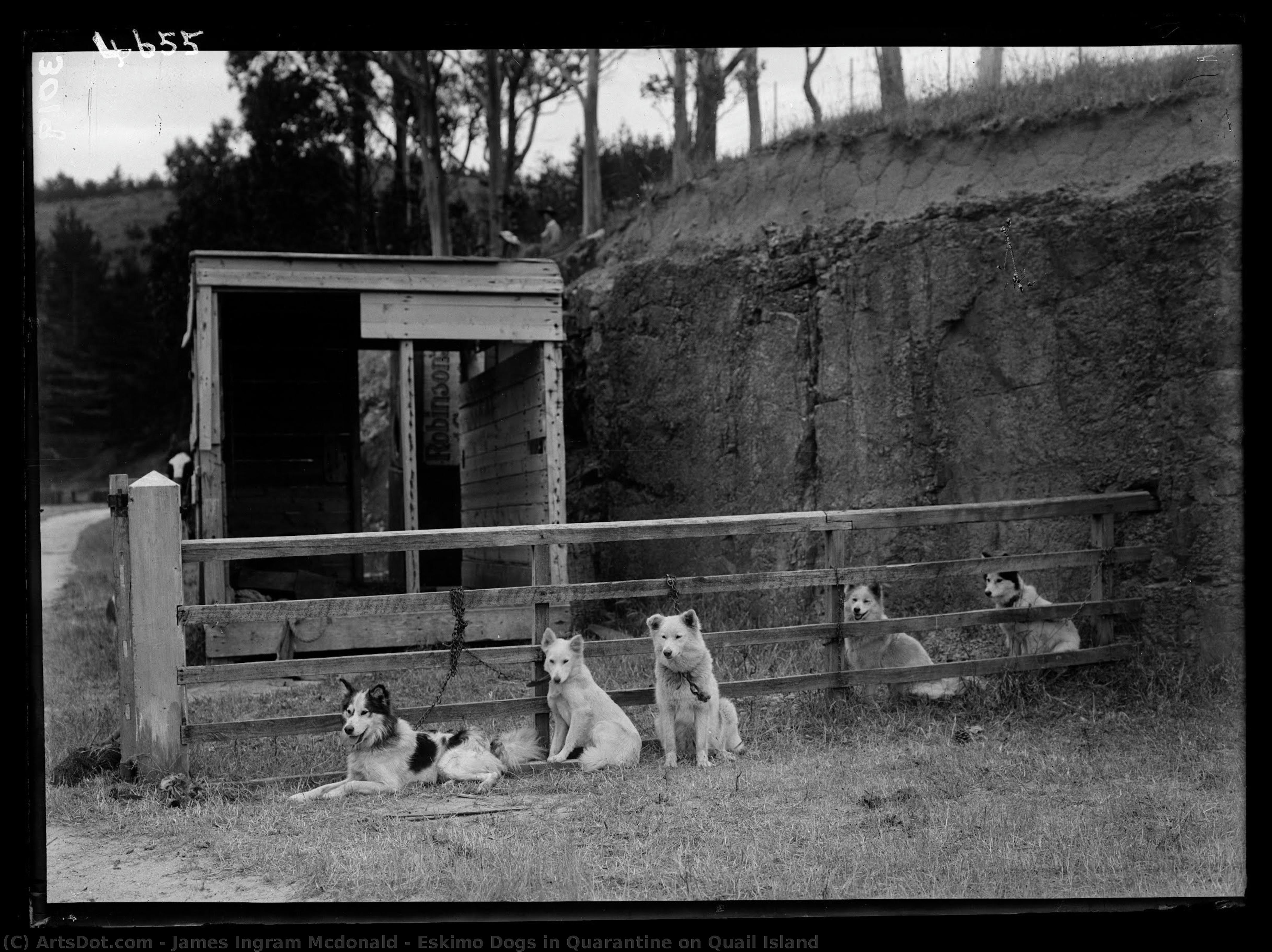
Eskimo Dogs in Quarantine on Quail Island


 Read More
Purchase a high-resolution, enhanced digital image, far superior to the online preview.
Each file is meticulously prepared by our in-house specialists using advanced tools and expert manual retouching. We ensure every image has exceptional clarity, precise color accuracy, and fine detail.
The final file is delivered via email within 72 hours, optimized for immediate use in professional, editorial, and print environments. This is the same quality trusted by top-tier design studios, publishers, and galleries.
Digital Image
Download a high-resolution file for personal display, printing, and creative projects. ( Buy Print Buy Hand Made Painting)
Included in Every Digital Image Order
Expert Digital Delivery, Guaranteed
When you choose ArtsDot.com, you're not just getting an image - you're receiving a professionally enhanced digital artwork, crafted with precision and backed by a satisfaction guarantee. Here's everything that comes with your order, automatically:

Fast Email Delivery
Your high-resolution digital image file will be emailed to you within 72 hours of ordering - ready for immediate use.

AI-Enhanced Digital File
Your artwork is professionally optimized using advanced AI tools and manual editing, ensuring maximum detail, clarity, and color accuracy.

Free Lifetime Re-Delivery
Accidentally deleted or lost your file? No worries - we'll resend it to you anytime, free of charge.

No Import Fees - Ever
Enjoy your artwork instantly with zero customs, duties, or delivery fees - digital downloads are always tax-free.

Color Accuracy Guarantee
We ensure your digital image reflects the original colors as closely as possible using professional tools and color management.

60-Day Satisfaction Guarantee
If you're not satisfied with your digital image, we'll revise it or refund 100% within 60 days - no questions asked.

100% Money-Back Guarantee
Not satisfied? Get a full refund within 60 days of receiving your digital file - no questions asked.

Bulk Order Discounts
Buy 3 images, save 10% - Buy 5, save 15% - Buy 10+, save 20%. Great for creative projects, galleries, and agencies.
Related Artworks
Artist Biography
James Ingram McDonald: A Pioneer of Māori Culture in Film and Art
James Ingram McDonald (1865-1935) stands as a remarkably multifaceted figure in New Zealand’s artistic and cultural landscape – a painter, photographer, filmmaker, museum director, and, crucially, a passionate advocate for the preservation and promotion of Māori arts and crafts. Born in Christchurch in 1865, McDonald's life was defined by a deep respect for both European artistic traditions and the rich heritage of Aotearoa’s indigenous people. His career spanned decades, encompassing diverse roles that cemented his legacy as a pivotal bridge between two worlds, leaving behind a significant body of work that continues to fascinate and inform today.Early Life and Artistic Foundations
McDonald's early life in Christchurch laid the groundwork for his future artistic pursuits. He displayed an aptitude for art from a young age, receiving formal training in Dunedin during his formative years. Influenced by prominent local artists like James Nairn, Nugent Welch, and Girolamo Nerli, he honed his skills in painting, developing a keen eye for detail and composition. This early exposure to established artistic techniques provided him with a solid foundation as he embarked on his journey to explore new avenues of creative expression. Notably, his family background – his mother being of Scottish descent – likely contributed to an appreciation for diverse cultural influences, shaping his worldview and informing his later work.Ethnographic Filmmaking and the Dominion Museum
McDonald’s most enduring contribution lies in his pioneering ethnographic filmmaking. Appointed as a museum assistant and draughtsman at the Colonial (later Dominion) Museum in 1905, he quickly recognized the potential of film to document and share Māori culture with a wider audience. This role proved transformative, leading him to collaborate closely with Elsdon Best, a prominent ethnologist, on a series of groundbreaking films capturing traditional practices, ceremonies, and social customs. These weren’t simply observational recordings; McDonald actively sought to understand the significance behind each scene, demonstrating a genuine curiosity and respect for Māori traditions. His work at the Dominion Museum included creating a detailed model pa – a significant architectural representation of a Māori meeting house – which remained on display for over sixty years, reflecting his commitment to accurately portraying Māori heritage.Documenting Māori Rituals: The Hui Aroha Expedition
Perhaps the most celebrated aspect of McDonald’s filmmaking career was his involvement in the 1918 Hui Aroha expedition to Gisborne. This momentous event marked the welcome home of the New Zealand Māori (Pioneer) Battalion, returning from service during World War I. McDonald, alongside Elsdon Best and Johannes C. Andersen, meticulously documented the festivities, capturing pivotal moments such as poi dances, string games, fire-making demonstrations, and kumara digging rituals. These films – remarkably preserved and restored in recent decades – offer an invaluable glimpse into Māori culture at a critical juncture in New Zealand’s history. They stand as some of the earliest ethnographic films ever produced in Aotearoa, showcasing McDonald's dedication to preserving cultural memory through visual media.Photography, Promotion, and Legacy
Beyond his filmmaking endeavors, McDonald was also an accomplished photographer. His work for the Department of Tourist and Health Resorts during the early 1900s resulted in a series of evocative images depicting New Zealand’s landscapes and Māori communities. These photographs served not only as promotional material but also as artistic representations of the country's diverse cultural tapestry. Later, he played a role in promoting Māori arts and crafts, contributing to their recognition and appreciation both domestically and internationally. James Ingram McDonald’s legacy extends far beyond his individual achievements; he was instrumental in fostering cross-cultural understanding and advocating for the preservation of Māori traditions through his multifaceted artistic practice. His work continues to be studied and celebrated as a testament to his vision and dedication – a true pioneer in documenting and sharing the rich cultural heritage of New Zealand.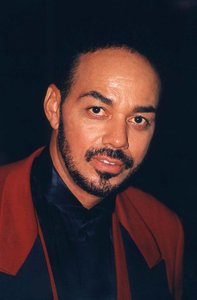
james ingram mcdonald
1865 - 1935 , New Zealand
Quick Facts
- Artistic Movement Or Style: Ethnographic film
- Artists Or Movements Influenced By This Artist: ['Māori arts & crafts']
- Artists Who Influenced This Artist:
- James Nairn
- Nugent Welch
- Date Of Birth: 1865 Christchurch, NZ
- Date Of Death: 1935
- Full Name: James Ingram McDonald
- Nationality: New Zealander
- Notable Artworks:
- Eskimo Dogs Quarantine
- Tokaanu School Arts
- Place Of Birth: Christchurch, New Zealand

