 Preview
 Send
Send Share
Share
 Details

 Download
 Similars
 X-Ray
X-Ray Diaporama
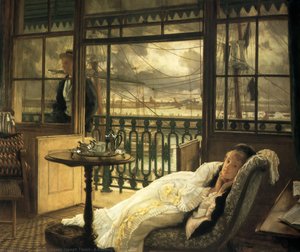
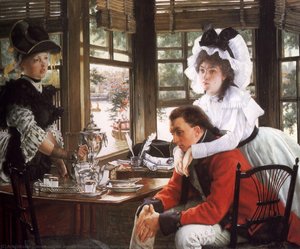
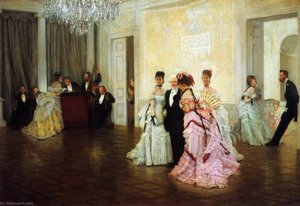
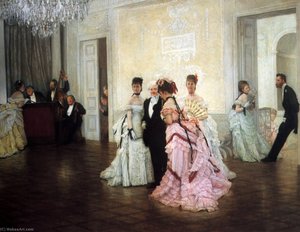
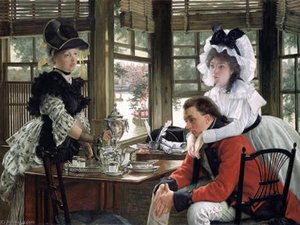
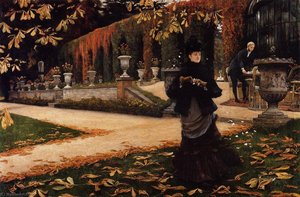
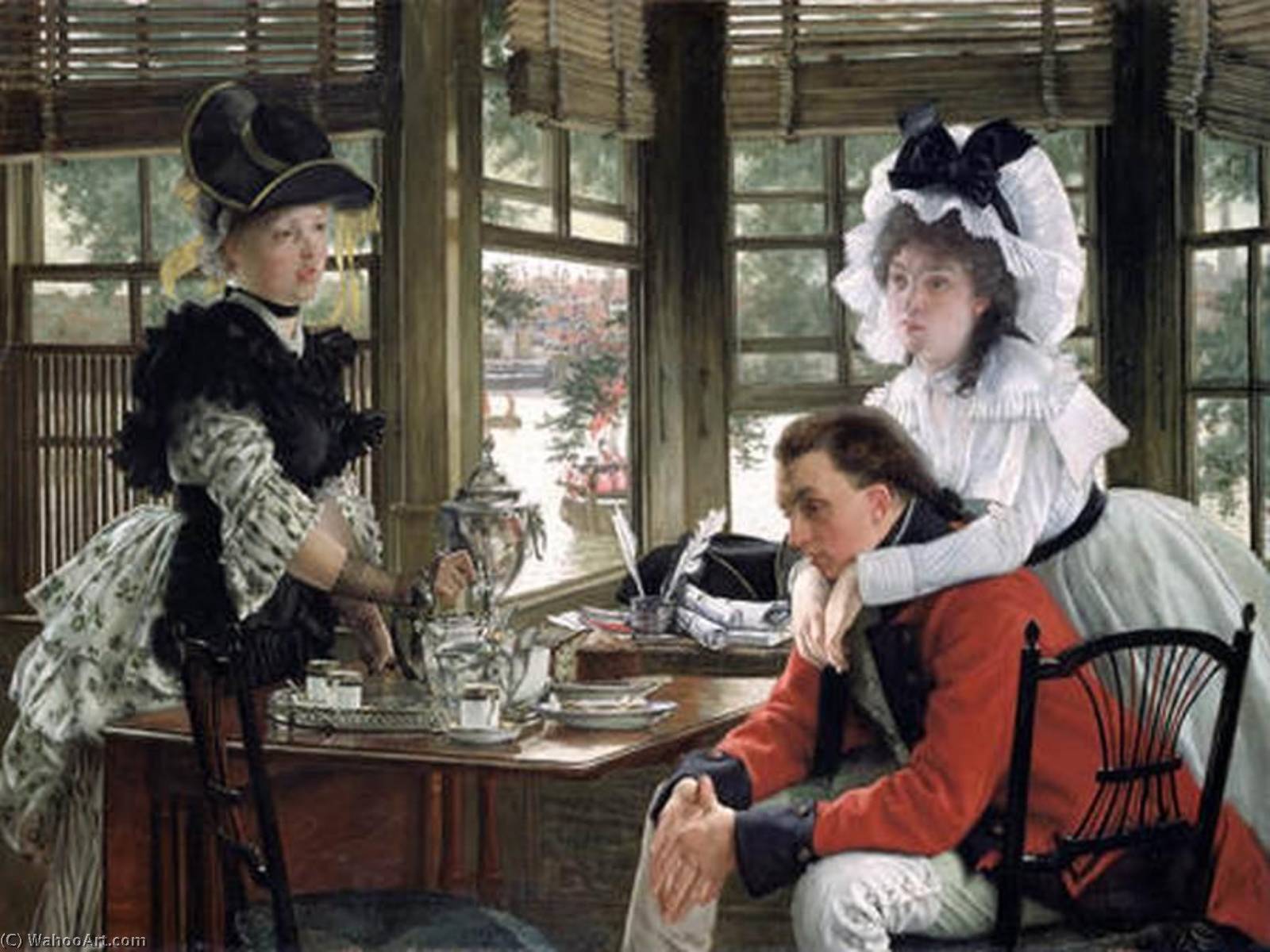
Bad News (The Parting)
 1872
1872 69.0 x 91.0 cm
 Read More
Giclée / Art Print
Museum-quality giclée or canvas print with fast production and flexible finish options. ( Buy Hand Made Painting Buy Image)




































Pick from our preset sizes that match the artwork's original proportions.

You may enter your own dimensions to fit a specific frame or space. If your selected size does not match the original image's proportions, we will either crop the artwork or extend the image with a mirrored or solid-fill edge. A digital mockup will be sent for your approval before production begins.
Please note that the on-screen preview does not reflect the actual cropping or extension. Only the mockup will accurately show the final composition.
While custom sizes are available, we recommend selecting a dimension from the predefined list to preserve the original proportions.
Worldwide Delivery () in 2 weeks instead of standard 4/5 weeks. (26 August)

Free Worldwide Express Shipping

High-Quality Linen Canvas

Full Shipping Insurance

Customs Tax Refund Guarantee

True Color Matching Guarantee

60-Day Return Policy (Defects Only)

100% Money-Back Guarantee

Bulk Discount Offer
 Glass option is only available in size under 110 CM

Bad News (The Parting)
Giclée / Art Print
Reproduction Size
-


Total Price
$ 63
Collectible Description
Composition and Symbolism
The painting depicts three individuals seated in a room with a dining table, surrounded by subtle hints of luxury and comfort. The use of muted colors and soft lighting creates an atmosphere of intimacy and quiet contemplation. Upon closer inspection, the viewer can discern the emotional tension between the subjects, as they seem to be engaged in a poignant conversation.Artistic Style and Influences
James Jaques Joseph Tissot's unique style, which blends elements of Realism and Romanticism, is evident in the meticulous attention to detail and the emotional intensity of the scene. His work was influenced by the artistic movements of his time, including the Impressionist movement, as seen in the works of Claude Monet, whose paintings can be found on our website, https://ArtsDot.com.- Morning on the Seine 3 by Claude Monet is a notable example of Impressionist art, showcasing the artist's ability to capture light and color.
- For more information on Claude Monet and his works, visit our website: /art/list/?Filter=8XXRGK-Claude-Monet-The-Garden
For those interested in learning more about the National Museum of Wales and its collection, I recommend visiting their website or exploring our resources on https://ArtsDot.com, including the article: Discovering the Artworks of National Museum Wales, United Kingdom.
Related Artworks








Artist Biography
James Tissot: A Parisian Impressionist Capturing Victorian Life
James Jacques Joseph Tissot (1836-1902) stands as a singular figure in Victorian art, renowned for his exquisitely detailed depictions of Parisian society and biblical narratives. Born in Nantes, France, to Marcel Théodore tissot, a drapery merchant, and Marie Durand, whose design skills extended to hats—a testament to the collaborative spirit of their family—Tissot’s upbringing instilled a deep Catholic faith that profoundly shaped his artistic vision. His early fascination with seafaring, likely stemming from his father's profession, foreshadowed recurring motifs of ships and boats in his later oeuvre.- Early Artistic Training: Tissot’s ambition to pursue painting propelled him to Paris around 1854, where he adopted the Anglicized name “James,” possibly influenced by his burgeoning interest in English culture. He enrolled at the École des Beaux-Arts under Jean-Auguste-Dominique Ingres and Louis Lamothe—both prominent Lyonnaise painters who sought Parisian instruction—benefiting immensely from Lamothe’s guidance.
- The Louvre Method: Like many aspiring artists of his era, Tissot honed his skills by meticulously copying works at the Louvre Museum. This disciplined approach allowed him to absorb stylistic nuances and develop a masterful command of technique.
Parisian Society and Genre Painting
Tissot swiftly established himself as a celebrated painter of Parisian life, capturing the elegance and bustle of Victorian society with unparalleled precision. His canvases overflowed with richly dressed women engaged in various activities—shopping, dining, entertaining—presented with meticulous attention to costume and setting. He skillfully blended Impressionistic influences with Japonisme, incorporating decorative patterns and compositional techniques borrowed from Japanese prints into his paintings. This fusion resulted in a distinctive visual language that conveyed both beauty and social commentary. Notable works include “The Huguenot Brides” and “A Christmas Eve,” which cemented his reputation as a master of genre painting.- Technique: Tissot’s technique was characterized by layering thin glazes of oil paint—a hallmark of Impressionism—to achieve luminous colors and subtle tonal variations. He employed mezzotint engraving alongside painting, further expanding his artistic repertoire.
- Notable Paintings: Among his most iconic paintings are “The Huguenot Brides,” depicting a lavish wedding ceremony in Nantes Cathedral, and “A Christmas Eve,” portraying the festive atmosphere of a Victorian family gathering. These works exemplify Tissot’s ability to convey emotion and narrative complexity through visual detail.
Biblical Narratives: Faith and Artistic Expression
Beyond his depictions of Parisian society, Tissot passionately pursued biblical subjects, producing a series of monumental paintings that explored themes of faith, morality, and redemption. His ambitious undertaking to illustrate the Gospels earned him considerable acclaim and solidified his position as one of the foremost artists of his time. He approached these narratives with meticulous scholarship and artistic sensitivity, striving to convey spiritual truths through evocative imagery.- Illustrations: Tissot’s biblical illustrations—particularly “The Last Supper” and “The Nativity”—were groundbreaking for their scale and realism. They demonstrated his commitment to conveying religious ideas with profound emotional impact.
Legacy and Historical Significance
James Tissot's artistic legacy extends beyond his individual paintings; he profoundly influenced subsequent generations of artists. His meticulous observation of detail, combined with his masterful blending of Impressionistic and Japonisme styles, established a precedent for realism and decorative artistry. He remains an enduring symbol of Victorian artistic achievement—a painter who captured the spirit of his era while simultaneously elevating biblical narratives to new heights of expressive power.
james jaques joseph tissot
1836 - 1902
Quick Facts
- Artistic Movement Or Style: Victorian Painting / Genre
- Artists Or Movements Influenced By This Artist: ['Japonisme Art']
- Artists Who Influenced This Artist:
- Jean-auguste-dominique ingres
- elie delaunay
- Date Of Birth: October 15, 1836
- Date Of Death: August 8, 1902
- Full Name: Jacques Joseph Tissot
- Nationality: French
- Notable Artworks:
- The J. Paul Getty Museum Collection
- Portsmouth Dockyard
- Place Of Birth: Nantes, France