 Preview
 Send
Send Share
Share
 Details

 Download
 Similars
 X-Ray
X-Ray Diaporama
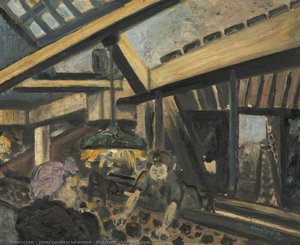
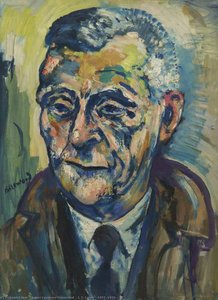
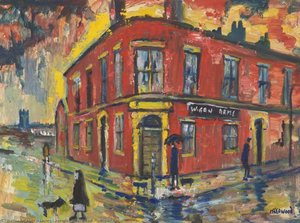
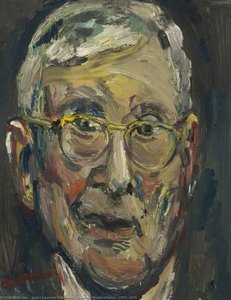
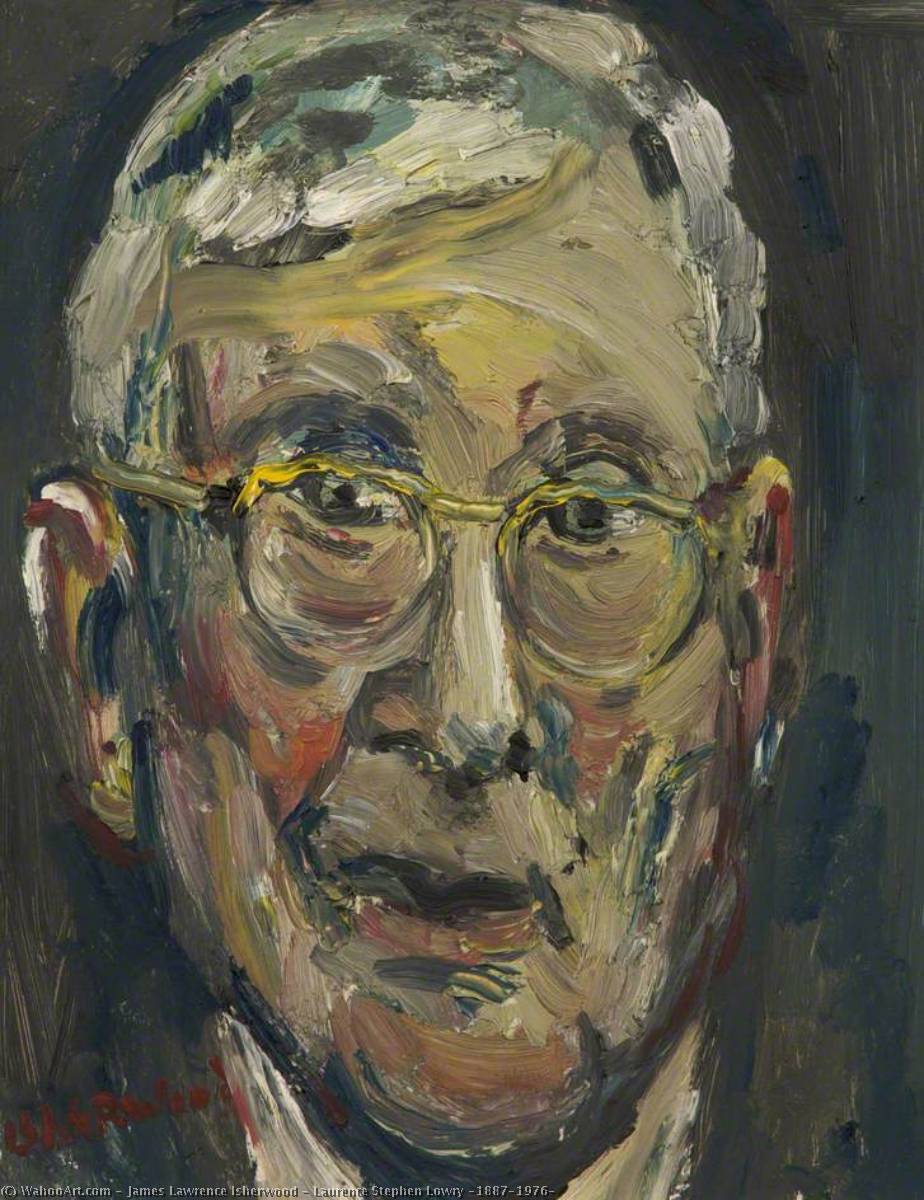
Laurence Stephen Lowry (1887–1976)
 29.0 x 24.0 cm
 Wigan Arts And Heritage Service
 Read More
Giclée / Art Print
Museum-quality giclée or canvas print with fast production and flexible finish options. ( Buy Hand Made Painting Buy Image)




































Pick from our preset sizes that match the artwork's original proportions.

You may enter your own dimensions to fit a specific frame or space. If your selected size does not match the original image's proportions, we will either crop the artwork or extend the image with a mirrored or solid-fill edge. A digital mockup will be sent for your approval before production begins.
Please note that the on-screen preview does not reflect the actual cropping or extension. Only the mockup will accurately show the final composition.
While custom sizes are available, we recommend selecting a dimension from the predefined list to preserve the original proportions.
Worldwide Delivery () in 2 weeks instead of standard 4/5 weeks. (22 August)

Free Worldwide Express Shipping

High-Quality Linen Canvas

Full Shipping Insurance

Customs Tax Refund Guarantee

True Color Matching Guarantee

60-Day Return Policy (Defects Only)

100% Money-Back Guarantee

Bulk Discount Offer
 Glass option is only available in size under 110 CM

Laurence Stephen Lowry (1887–1976)
Giclée / Art Print
Reproduction Size
-


Total Price
$ 63
Related Artworks









Artist Biography
James Lawrence Isherwood: A Visionary of Industrial Yorkshire
James Lawrence Isherwood, born in 1917 amidst the bustling cobbler shops of Wigan, Lancashire, wasn’t destined for a life of artistic renown. His early years were steeped in the practicalities of family trade – a lineage deeply rooted in craftsmanship and industry. Yet, from a young age, a distinct creative impulse simmered beneath the surface, nurtured by his mother, Lily, who recognized and encouraged this burgeoning talent. This initial spark ignited a lifelong pursuit, ultimately leading him away from the familiar routines of the workshop and into the vibrant, often turbulent world of art. Isherwood’s story is one of unexpected transformation, marked by both considerable success and persistent struggle, culminating in an enduring legacy within British art history.Early Life and Influences – The Seeds of a Unique Style
Isherwood's childhood was shaped by the industrial heartland of Yorkshire, a landscape dominated by factories, mills, and the lives of its working-class inhabitants. This environment profoundly influenced his artistic vision. While he received limited formal training, his early exposure to the gritty realism of Wigan’s industrial scene provided a crucial foundation. A significant formative influence arrived in the form of Adolphe Valette, a French Impressionist painter who briefly taught him, introducing Isherwood to techniques of light and color that would later inform his distinctive style. Crucially, he developed a close friendship with Laurence Stephen Lowry, another prominent figure in Northern art, whose own depictions of industrial life served as an unspoken inspiration. Lowry’s influence is particularly evident in the shared focus on everyday subjects – the workers, the streets, and the atmosphere of the region – but Isherwood quickly forged his own unique path, diverging from Lowry's more subdued palette towards a bolder, almost theatrical use of color.The “Wigan Style” – Capturing the Spirit of a Region
Isherwood’s artistic style, often dubbed the "Wigan Style," is instantly recognizable and deeply evocative. It’s characterized by vibrant, primary colors—bold reds, yellows, and blues—applied with rapid, expressive brushstrokes. He didn't aim for photographic realism; instead, he sought to capture the *feeling* of a place – the energy, the hardship, and the resilience of its people. His subjects frequently included scenes from Wigan’s industrial landscape: pit workers, women carrying loads, and glimpses into the lives of ordinary citizens. These weren't idealized portraits but raw, honest depictions of working-class life, imbued with a sense of urgency and drama. The influence of Expressionism is palpable in his use of color and brushwork, conveying emotion rather than simply representing reality. His paintings are not merely landscapes; they’re windows into the soul of a community.A Turbulent Career – Fame, Controversy, and Personal Struggles
Despite his artistic talent, Isherwood's career was marked by periods of obscurity followed by sudden bursts of notoriety. Early exhibitions in Wigan garnered modest attention, but it wasn’t until the 1970s that he achieved widespread recognition. A BBC documentary, “I am Isherwood,” broadcast in 1974 and repeated in 1975, catapulted him into the public eye, showcasing his distinctive style and offering a glimpse into his eccentric personality. However, this newfound fame was accompanied by controversy. His paintings often featured provocative imagery – including a notorious portrait of Mary Whitehouse with five breasts – which generated considerable scandal and ridicule. Isherwood’s personal life was equally turbulent, marked by failed marriages, periods of heavy drinking, and institutionalization. Despite these challenges, he continued to paint relentlessly, driven by an unwavering artistic vision.Legacy and Recognition – A Rediscovered Master
Following his death in 1989, Isherwood’s work gradually gained recognition within the art world. His paintings, previously overlooked or dismissed as mere curiosities, began to command significant prices at auction. Today, his works are held in prestigious collections across the UK and internationally, demonstrating a profound shift in critical appreciation. He is now recognized as a key figure in British art of the 20th century, a visionary who captured the spirit of industrial Yorkshire with unparalleled intensity and originality. James Lawrence Isherwood’s legacy lies not only in his distinctive style but also in his ability to transform ordinary subjects into powerful expressions of human experience – a testament to the enduring power of art to illuminate the lives of those often overlooked.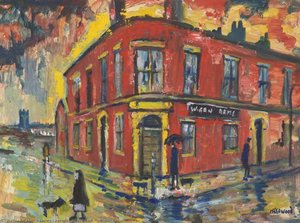
james lawrence isherwood
1917 - 1989
Quick Facts
- Artistic Movement Or Style: Wigan Style/Impressionist
- Artists Or Movements Influenced By This Artist: ['Lowry']
- Artists Who Influenced This Artist: ['L. S. Lowry']
- Date Of Birth: 1917
- Date Of Death: 1989
- Full Name: James Lawrence Isherwood
- Nationality: British
- Notable Artworks:
- Pit Lasses, Victoria Colliery
- Industrial Landscape
- Place Of Birth: Wigan, Lancashire