

 Preview
 Send
Send Share
Share
 Details

 Download
 Similars
 X-Ray
X-Ray Diaporama
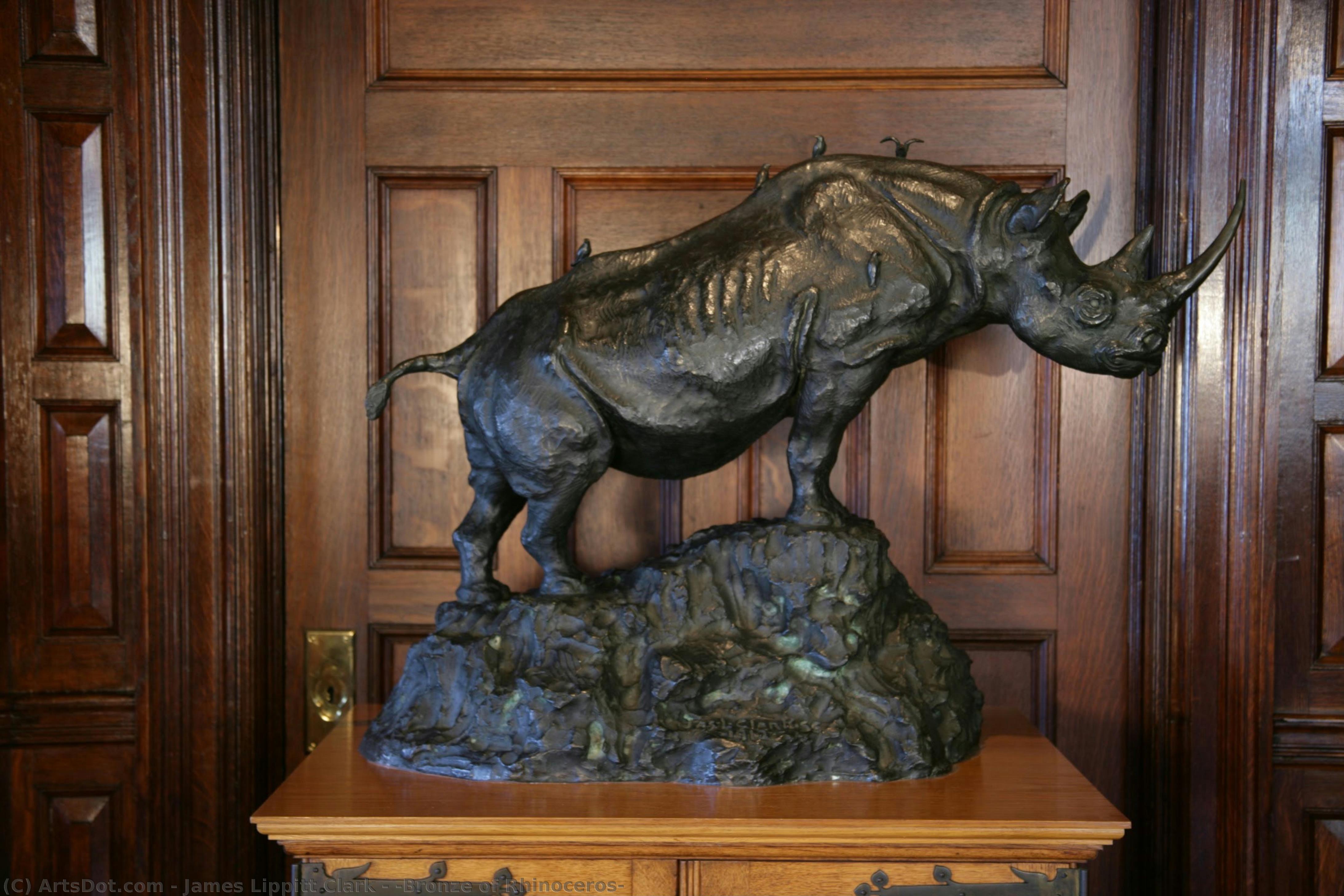
(Bronze of Rhinoceros)


 Read More
Purchase a high-resolution, enhanced digital image, far superior to the online preview.
Each file is meticulously prepared by our in-house specialists using advanced tools and expert manual retouching. We ensure every image has exceptional clarity, precise color accuracy, and fine detail.
The final file is delivered via email within 72 hours, optimized for immediate use in professional, editorial, and print environments. This is the same quality trusted by top-tier design studios, publishers, and galleries.
Digital Image
Download a high-resolution file for personal display, printing, and creative projects. ( Buy Print Buy Hand Made Painting)
Included in Every Digital Image Order
Expert Digital Delivery, Guaranteed
When you choose ArtsDot.com, you're not just getting an image - you're receiving a professionally enhanced digital artwork, crafted with precision and backed by a satisfaction guarantee. Here's everything that comes with your order, automatically:

Fast Email Delivery
Your high-resolution digital image file will be emailed to you within 72 hours of ordering - ready for immediate use.

AI-Enhanced Digital File
Your artwork is professionally optimized using advanced AI tools and manual editing, ensuring maximum detail, clarity, and color accuracy.

Free Lifetime Re-Delivery
Accidentally deleted or lost your file? No worries - we'll resend it to you anytime, free of charge.

No Import Fees - Ever
Enjoy your artwork instantly with zero customs, duties, or delivery fees - digital downloads are always tax-free.

Color Accuracy Guarantee
We ensure your digital image reflects the original colors as closely as possible using professional tools and color management.

60-Day Satisfaction Guarantee
If you're not satisfied with your digital image, we'll revise it or refund 100% within 60 days - no questions asked.

100% Money-Back Guarantee
Not satisfied? Get a full refund within 60 days of receiving your digital file - no questions asked.

Bulk Order Discounts
Buy 3 images, save 10% - Buy 5, save 15% - Buy 10+, save 20%. Great for creative projects, galleries, and agencies.
Collectible Description
Related Artworks






Artist Biography
The Sculptor of the Wild: The Life and Legacy of James Lippitt Clark
In the golden age of exploration, when the boundaries between scientific discovery and artistic expression were beautifully blurred, James Lippitt Clark emerged as a singular figure. Born in Providence, Rhode Island, on November 18, 1883, Clark possessed a rare duality of spirit—the meticulous eye of a scientist and the soulful hand of a sculptor. His journey began within the prestigious halls of the Rhode Island School of Design, where he cultivated a profound mastery of draughtsmanship. This foundational training was further refined through an apprenticeship at the Gorham Silver Company, a period that instilled in him the technical precision and anatomical rigor necessary to breathe life into inanimate materials. It was this unique intersection of fine art and metallurgical skill that would later allow him to capture the raw, pulsing essence of the natural world.
The trajectory of Clark’s career was irrevocably altered when he joined the American Museum of Natural History in New York City. Under the mentorship of the legendary Carl Akeley, often hailed as the father of modern taxidermy, Clark found his true calling. He did not merely seek to represent animals; he sought to recreate their very existence. This ambition propelled him into the heart of the world's most untamed landscapes. Alongside explorers and scientists, Clark embarked on grueling expeditions across Africa and Asia, documenting the rhythms of wildlife with a level of intimacy previously unseen. His work was never static; it was an active engagement with the living pulse of the earth, driven by a desire to bridge the gap between the museum specimen and the wild inhabitant.
A Visionary of Light and Bronze
Clark’s contributions to the visual record of the twentieth century are as much cinematic as they are sculptural. He was a pioneer of wildlife filmmaking, utilizing the nascent medium of motion pictures to capture the fluid grace of predators in their natural habitats. His 1908 production, “The Lion of Kilimanjaro,” stands as a monumental achievement in early documentary film, offering a window into the African wilderness that captivated audiences and set new standards for biological observation. Through the lens of his camera, the movement of a lion or the heavy tread of an elephant became a narrative of survival and majesty, establishing him as a visionary who understood that to truly know a creature, one must witness it in motion.
When he returned from these expeditions, Clark translated his observations into enduring physical forms. His sculptures, often rendered in bronze or meticulously modeled for taxidermy habitat groups, are celebrated for their breathtaking anatomical accuracy and emotional depth. He possessed an uncanny ability to capture the tension in a muscle, the texture of hide, and the alertness in an eye. His work contributed significantly to the development of habitat groups—complex, immersive dioramas that revolutionized museum education by placing specimens within a reconstructed ecosystem. Whether crafting a delicate piece like his Hippopotamus Foot Inkwell or more monumental zoological representations, Clark’s artistry was always anchored in a profound respect for biological truth.
Historical Significance and Enduring Influence
The legacy of James Lippitt Clark is woven into the very fabric of modern natural history. As a member of the National Sculpture Society, the New York Zoological Society, and the American Geographical Society, he stood at the center of a global intellectual movement. His ability to supply specimens for influential figures like Theodore Roosevelt and major museums ensured that his scientific and artistic contributions reached the highest echelons of society. He did not merely observe nature; he curated our understanding of it.
Even as decades passed, Clark’s influence persisted through the standard he set for realism in wildlife art. His life, which concluded in New York City in 1969, remains a testament to the power of interdisciplinary passion. He reminds us that science provides the facts, but art provides the meaning. Through his films and his sculptures, Clark ensured that the fleeting moments of the wild would be preserved in the amber of human memory, forever allowing us to marvel at the magnificent complexity of life on Earth.
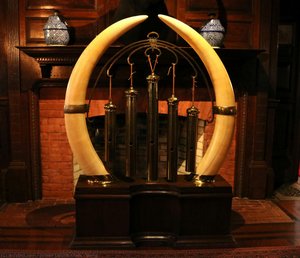
james lippitt clark
1883 - 1969 , United States of America
Quick Facts
- Artistic Movement Or Style: Realistic Animal Sculpture
- Artists Or Movements Influenced By This Artist: Taxidermy
- Artists Who Influenced This Artist: Carl Akeley
- Date Of Birth: 1883
- Full Name: James Lippitt Clark
- Nationality: American
- Notable Artworks:
- Hippopotamus Foot Inkwell
- Gong
- (Bronze of Rhinoceros)
- Place Of Birth: Providence, United States

