 Preview
 Send
Send Share
Share
 Details

 Download
 Similars
 X-Ray
X-Ray Diaporama
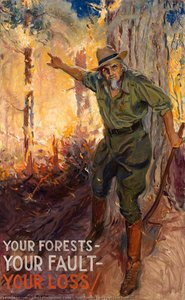
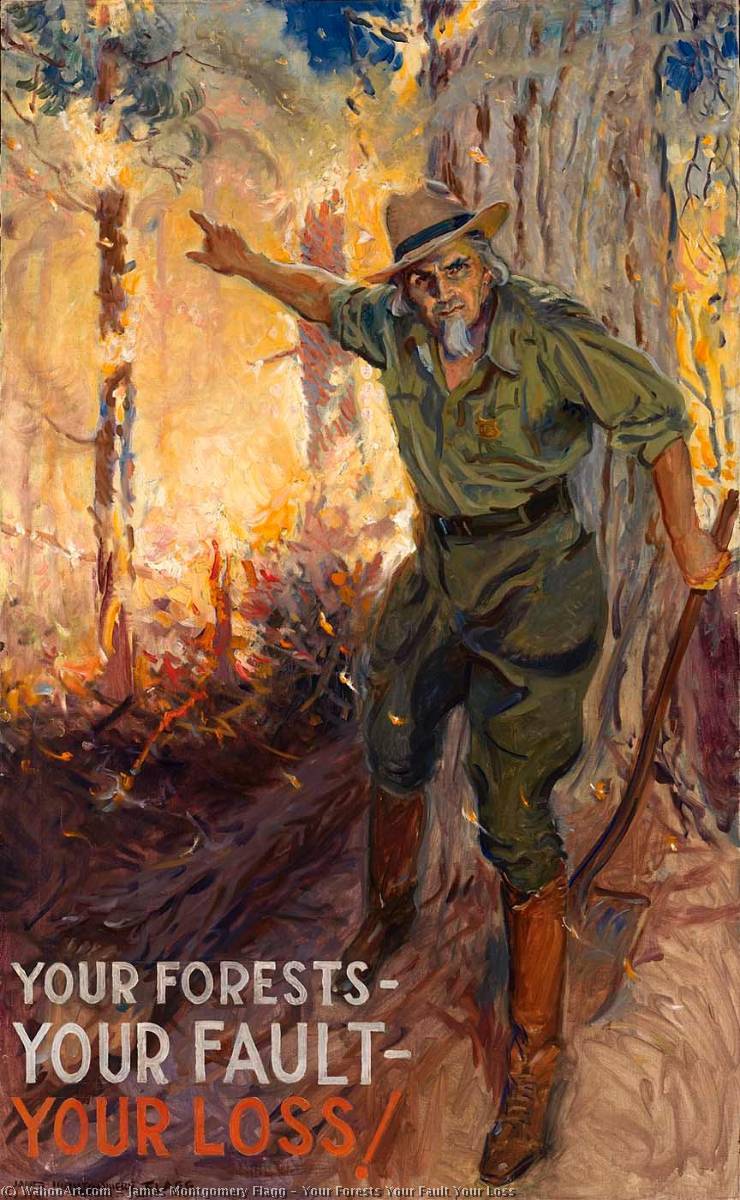
Your Forests Your Fault Your Loss
 1943
1943 165.0 x 102.0 cm
 Read More
Giclée / Art Print
Museum-quality giclée or canvas print with fast production and flexible finish options. ( Buy Hand Made Painting Buy Image)




































Pick from our preset sizes that match the artwork's original proportions.

You may enter your own dimensions to fit a specific frame or space. If your selected size does not match the original image's proportions, we will either crop the artwork or extend the image with a mirrored or solid-fill edge. A digital mockup will be sent for your approval before production begins.
Please note that the on-screen preview does not reflect the actual cropping or extension. Only the mockup will accurately show the final composition.
While custom sizes are available, we recommend selecting a dimension from the predefined list to preserve the original proportions.
Worldwide Delivery () in 2 weeks instead of standard 4/5 weeks. (21 August)

Free Worldwide Express Shipping

High-Quality Linen Canvas

Full Shipping Insurance

Customs Tax Refund Guarantee

True Color Matching Guarantee

60-Day Return Policy (Defects Only)

100% Money-Back Guarantee

Bulk Discount Offer
 Glass option is only available in size under 110 CM

Your Forests Your Fault Your Loss
Giclée / Art Print
Reproduction Size
-


Total Price
$ 63
Related Artworks









Artist Biography
A Life Etched in Ink and Patriotism
James Montgomery Flagg, a name synonymous with American illustration and perhaps most indelibly linked to the iconic image of Uncle Sam exhorting “I Want You,” was far more than just a poster artist. Born in 1877 in Pelham Manor, New York, Flagg’s journey through the world of art spanned decades, encompassing fine painting, comic strips, magazine illustration, and a keen understanding of how to capture the American spirit on paper. From an astonishingly young age—selling drawings at twelve and contributing regularly to Life and Judge magazines by his early teens—Flagg demonstrated a precocious talent that would define his prolific career. He wasn’t merely documenting his time; he was shaping how America saw itself, reflecting its aspirations, anxieties, and ultimately, its identity. Formal training at the Art Students League of New York between 1894 and 1898 provided him with a solid foundation, but it was his subsequent studies in London and Paris that broadened his artistic horizons, subtly influencing his style with European sensibilities.From Comic Strips to National Symbols
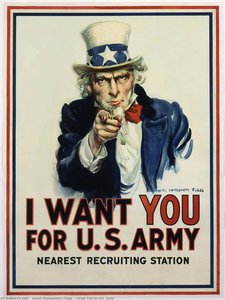
Returning to the United States, Flagg plunged into the vibrant world of American illustration, becoming a remarkably productive artist. He effortlessly moved between assignments, creating illustrations for books, magazine covers, and humorous cartoons. His comic strip “Nervy Nat,” which ran in Judge from 1903 to 1907, showcased his ability to craft engaging narratives with memorable characters. However, it was his foray into advertising—undertaken anonymously at first, wary of associating himself too closely with commercial work—and then, crucially, his response to the call for wartime propaganda that cemented his place in history. The “I Want You for U.S. Army” poster of 1917 wasn’t simply a recruitment tool; it was a stroke of genius. Inspired by a British Lord Kitchener poster, Flagg cleverly adapted the pose and, crucially, used his own face as the model for Uncle Sam—adding age and a goatee to avoid the logistical challenges of finding a suitable subject. This self-portrait transformed into a national symbol, instantly recognizable and powerfully effective in galvanizing support for the war effort. The image was so potent it was revived during World War II, continuing to resonate with generations of Americans as an embodiment of patriotic duty.A Versatile Artist Beyond Propaganda
While forever linked to Uncle Sam, reducing Flagg’s artistic output to a single poster would be a grave disservice. He was a highly skilled portrait painter, demonstrating the influence of John Singer Sargent in his technique and capturing the likenesses of prominent figures like Mark Twain and Ethel Barrymore. His portrait of Jack Dempsey resides in the National Portrait Gallery, a testament to his ability to translate personality onto canvas. Beyond portraits, Flagg’s illustrations were characterized by their clarity, dynamism, and emotional impact. He skillfully blended realism with stylized elements, creating images that were both visually striking and narratively compelling. At the height of his career, he was reportedly the highest-paid magazine illustrator in America, a testament to his talent and demand. His work graced the covers and pages of prestigious publications like The Saturday Evening Post and Collier’s, reaching millions of readers and shaping popular culture.Legacy and Enduring Influence
James Montgomery Flagg's impact extends far beyond the realm of art. His work profoundly influenced American visual culture, particularly through his iconic recruitment poster which continues to be a powerful symbol of national service and patriotism. Even today, the image is instantly recognizable and evokes strong emotions. In 1946, he published his autobiography, Roses and Buckshot, offering a glimpse into his life and career. Later appearances, such as in a Pabst Blue Ribbon advertisement in 1948, showcased his continued relevance and artistic prowess. Recognition of his contributions is evident in the naming of “Flagg Field” at Fort Knox, Kentucky, and the listing of his summer home in Biddeford Pool, Maine, on the National Register of Historic Places. Flagg’s ability to connect with the American public, to understand their values and aspirations, and to translate them into compelling visual narratives is what ultimately secured his legacy as a significant figure in the history of illustration and propaganda art—an artist who didn't just reflect America, but helped define it.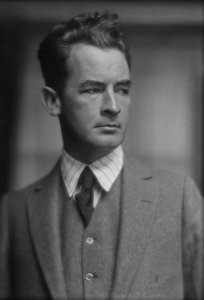
James Montgomery Flagg
1877 - 1960 , United States of America
Quick Facts
- Artistic Movement Or Style: Illustration, Propaganda
- Artists Who Influenced This Artist: ['John Singer Sargent']
- Date Of Birth: June 18, 1877
- Date Of Death: May 27, 1960
- Full Name: James Montgomery Flagg
- Nationality: American
- Notable Artworks:
- I Want You for U.S. Army
- Your Forests Your Fault...
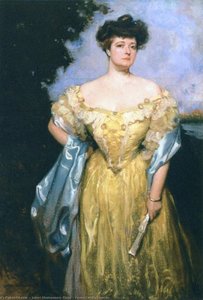
- Emma Cecilia Thursby
- Place Of Birth: Pelham Manor, USA