

 Preview
 Send
Send Share
Share
 Details

 Download
 Similars
 X-Ray
X-Ray Diaporama
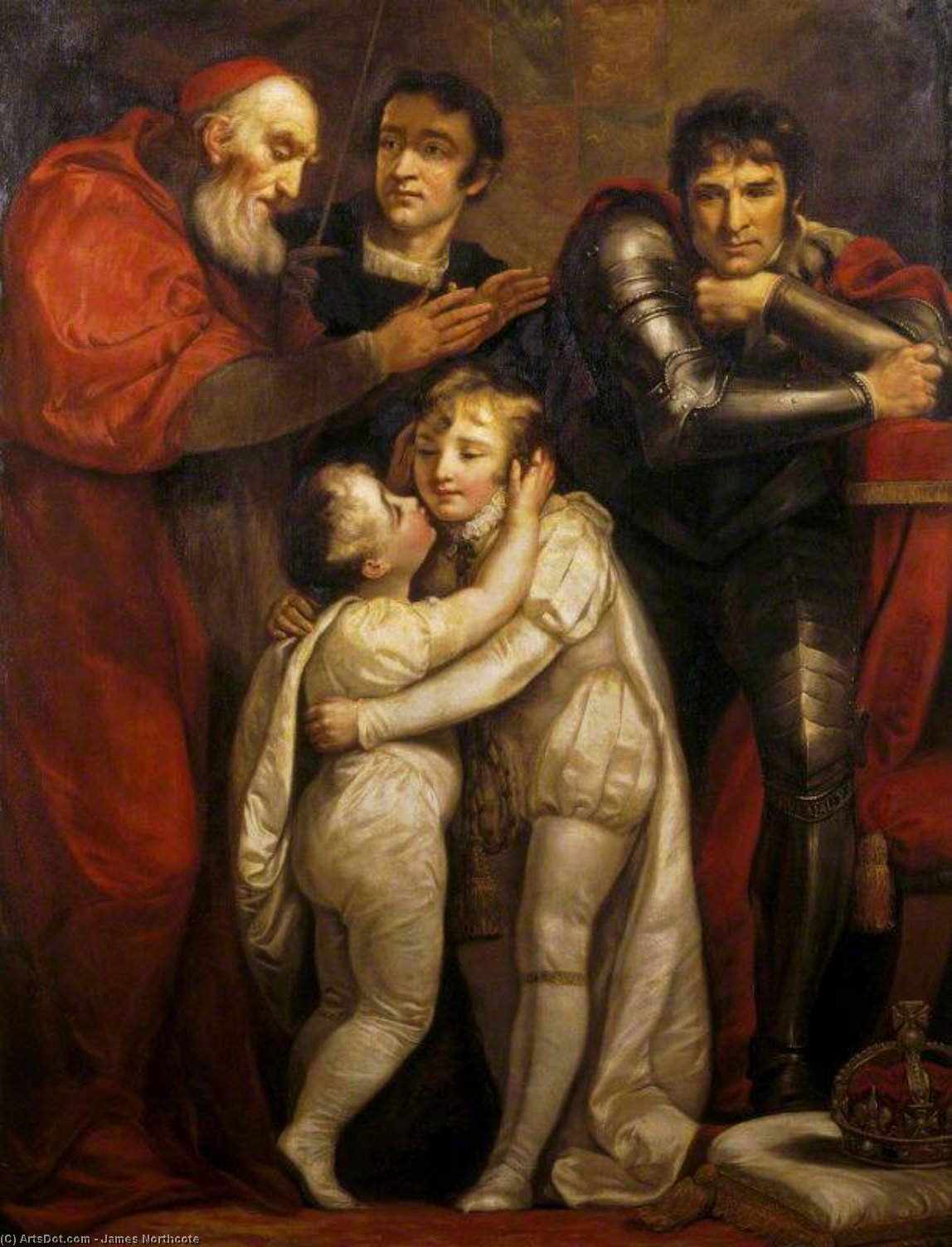
The Meeting Of Edward V

 Read More
Purchase a high-resolution, enhanced digital image, far superior to the online preview.
Each file is meticulously prepared by our in-house specialists using advanced tools and expert manual retouching. We ensure every image has exceptional clarity, precise color accuracy, and fine detail.
The final file is delivered via email within 72 hours, optimized for immediate use in professional, editorial, and print environments. This is the same quality trusted by top-tier design studios, publishers, and galleries.
Digital Image
Download a high-resolution file for personal display, printing, and creative projects. ( Buy Print Buy Hand Made Painting)
Included in Every Digital Image Order
Expert Digital Delivery, Guaranteed
When you choose ArtsDot.com, you're not just getting an image - you're receiving a professionally enhanced digital artwork, crafted with precision and backed by a satisfaction guarantee. Here's everything that comes with your order, automatically:

Fast Email Delivery
Your high-resolution digital image file will be emailed to you within 72 hours of ordering - ready for immediate use.

AI-Enhanced Digital File
Your artwork is professionally optimized using advanced AI tools and manual editing, ensuring maximum detail, clarity, and color accuracy.

Free Lifetime Re-Delivery
Accidentally deleted or lost your file? No worries - we'll resend it to you anytime, free of charge.

No Import Fees - Ever
Enjoy your artwork instantly with zero customs, duties, or delivery fees - digital downloads are always tax-free.

Color Accuracy Guarantee
We ensure your digital image reflects the original colors as closely as possible using professional tools and color management.

60-Day Satisfaction Guarantee
If you're not satisfied with your digital image, we'll revise it or refund 100% within 60 days - no questions asked.

100% Money-Back Guarantee
Not satisfied? Get a full refund within 60 days of receiving your digital file - no questions asked.

Bulk Order Discounts
Buy 3 images, save 10% - Buy 5, save 15% - Buy 10+, save 20%. Great for creative projects, galleries, and agencies.
Collectible Description
A Moment of Uncertain Destiny: James Northcote's "The Meeting of Edward V"
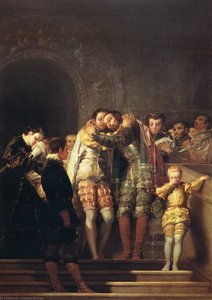
James Northcote’s “The Meeting of Edward V” is a compelling historical painting that captures a pivotal and fraught moment in English history. This dramatic scene, rendered in oil on canvas, transports viewers to the cusp of one of England’s most infamous mysteries: the disappearance of the young Princes in the Tower. The artwork isn't merely a depiction; it's an exploration of power, suspicion, and the fragility of innocence within a turbulent political landscape.
Historical Context & Narrative
The painting depicts the meeting between Edward V, the boy king, and his younger brother Richard, Duke of York, shortly before their confinement in the Tower of London. This event occurred during the Wars of the Roses, a period of dynastic struggle between the Houses of Lancaster and York. Edward IV had recently died, leaving his young son, Edward V, to inherit the throne. However, Richard, Duke of Gloucester (later King Richard III), seized power, declaring Edward V illegitimate and placing him under guard in the Tower – an action that ultimately led to the princes' disappearance and Richard’s ascension to the throne. Northcote chose this specific moment—a seemingly innocuous encounter—to highlight the underlying tension and impending doom.
Artistic Style & Technique
Northcote, influenced by Sir Joshua Reynolds, employs a Neoclassical style with elements of Romantic drama. The composition is carefully structured to draw the eye to the central figures of the two boys. The use of rich, saturated colors—particularly the striking contrast between the white and black attire of the children—creates visual interest and emphasizes their vulnerability. Notice how Northcote masterfully uses light and shadow to sculpt the forms and create a sense of depth within the room. The red velvet drapery adds a layer of opulence and formality, further emphasizing the gravity of the occasion. His brushwork is detailed yet expressive, conveying both realism and emotional intensity.
Symbolism & Interpretation
- Color Contrast: The white clothing of Edward V symbolizes innocence and purity, while the black attire worn by Richard suggests darkness, secrecy, and impending misfortune.
- The Figures Surrounding the Boys: The elderly man with a staff likely represents wisdom or perhaps a reluctant advisor caught in the political machinations. The figure in red robes and sword embodies power and authority, hinting at the military force used to control events. The woman holding a child evokes maternal concern and vulnerability, while the armored figure signifies impending conflict and danger.
- The Setting: The richly decorated room underscores the royal setting but also creates a sense of confinement and entrapment for the young princes.
Ultimately, Northcote’s painting is not just a historical record; it's an evocative exploration of human nature—the allure of power, the fragility of innocence, and the enduring mystery surrounding one of England’s most tragic events.
Emotional Impact & Legacy
“The Meeting of Edward V” evokes a profound sense of unease and foreboding. The viewer is left to contemplate the fate of these young boys and the complex political forces that conspired against them. Northcote's work continues to resonate with audiences today, prompting reflection on themes of power, betrayal, and the enduring impact of historical events. Owning a reproduction of this painting allows you to bring a piece of history—and a powerful emotional narrative—into your home or office.
Related Artworks
Artist Biography
A Plymouth Watchmaker’s Son: The Early Life and Artistic Awakening of James Northcote
James Northcote, born in the bustling port city of Plymouth in 1746, emerged as a significant figure in late 18th and early 19th-century British art. His journey from the workshop of his father, a humble watchmaker, to the esteemed halls of the Royal Academy is a testament to both innate talent and unwavering determination. Unlike many artists born into privilege or artistic families, Northcote’s path was forged through self-education and a relentless pursuit of his passion. While apprenticed to his father's trade, young James secretly cultivated his artistic inclinations, sketching and painting in whatever spare moments he could find. This clandestine dedication eventually led him to abandon the family business in 1769, embarking on a career as a portrait painter – a bold move for a young man with limited formal training. Four years later, driven by ambition and a desire for refinement, Northcote ventured to London, seeking guidance from the era’s most celebrated artist: Sir Joshua Reynolds. The early years were marked by hardship and perseverance, but his dedication never wavered; he was determined to carve out a place for himself in the competitive world of art.Under Reynolds' Wing and the Italian Influence
Northcote’s admission into Reynolds’ studio was a pivotal moment. He became not merely a pupil but also an observer of a master at work, absorbing the nuances of portraiture and the sophisticated artistic discourse that permeated Reynolds’ circle. However, their relationship wasn’t without its complexities. Northcote found himself somewhat overlooked by his mentor, receiving less direct instruction than he desired. This perceived indifference fueled a quiet frustration, yet it also spurred him to seek further development independently. Around 1777, bolstered by earnings from portrait commissions in Devon, Northcote embarked on a formative journey to Italy. This sojourn exposed him to the Old Masters – Raphael, Michelangelo, and Titian – profoundly influencing his artistic sensibilities. He immersed himself in the classical tradition, studying anatomy, composition, and the expressive power of light and shadow. The Italian experience broadened his scope beyond portraiture, igniting an interest in historical painting that would define much of his later career. It was a period of intense study and self-discovery, shaping his artistic vision for years to come.A Royal Academician and Shakespearean Visions
Upon his return to England, Northcote established himself as a versatile artist, skillfully navigating the competitive London art scene alongside rivals like John Opie and Henry Fuseli. His election as an associate of the Royal Academy in 1786, followed by full academician status the following year, solidified his position within the artistic establishment. This period marked a shift towards larger-scale historical works, notably The Young Princes Murdered in the Tower and its companion piece, The Burial of the Princes in the Tower. These paintings were commissioned for John Boydell’s ambitious Shakespeare Gallery project – an attempt to create a national collection of artworks inspired by the Bard's plays. Northcote contributed seven paintings to this grand endeavor, demonstrating his ability to translate dramatic narratives onto canvas. His monumental Death of Wat Tyler, exhibited in 1787, further showcased his ambition and skill in handling complex compositions, though it was tragically lost during World War II. These works demonstrated a growing maturity and confidence in his artistic abilities, establishing him as a significant figure within the British art world.Beyond History: Genre, Animals, and Literary Pursuits
While Northcote is remembered for his historical paintings and portraits, his artistic output extended to genre scenes – particularly the series The Modest Girl and the Wanton – and a surprising fondness for animal subjects. Paintings of leopards, dogs with herons, and lions reveal a keen observational eye and a talent for capturing the essence of these creatures. Interestingly, these animal paintings often proved more commercially successful than his more ambitious historical works, prompting the acerbic Henry Fuseli to remark that Northcote was “an angel at an ass, but an ass at an angel.” Beyond painting, Northcote possessed a literary bent, publishing Memoirs of Sir Joshua Reynolds in 1813 – a valuable, though sometimes biased, account of his former mentor’s life and times. He also authored fables illustrated with woodcuts based on his own designs, demonstrating a multifaceted creative spirit. This diverse range of interests reflects a restless intellect and a desire to explore different avenues of artistic expression.Legacy and Historical Significance
James Northcote’s prolific career yielded approximately 2000 works, and he amassed a considerable fortune of £40,000 – a testament to his industry and artistic skill. He stands as a significant figure in the transition from the Rococo elegance of Reynolds to the burgeoning Romanticism of the early 19th century. While perhaps not achieving the same level of enduring fame as some of his contemporaries, Northcote’s contributions to British art are undeniable. His paintings offer valuable insights into the artistic tastes and cultural values of his era, while his writings provide a fascinating glimpse into the world of London's artistic circles. He was a man who defied expectations, rising from humble beginnings to become a respected member of the Royal Academy and leaving behind a legacy that continues to captivate art enthusiasts today. His life serves as an inspiring example of dedication, perseverance, and the transformative power of artistic vision.- Born: Plymouth, United Kingdom, 1746
- Died: London, United Kingdom, 1831
- Style: Romanticism, Portraiture, History Painting
- Influences: Sir Joshua Reynolds, Old Masters (Raphael, Michelangelo, Titian)
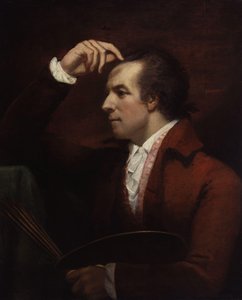
James Northcote
1746 - 1831 , United Kingdom
Quick Facts
- Artistic Movement Or Style: Romanticism
- Artists Who Influenced This Artist: ['Sir Joshua Reynolds']
- Date Of Birth: 1746
- Date Of Death: 1831
- Full Name: James Northcote
- Nationality: British
- Notable Artworks:
- Young Princes Murdered
- Burial of the Princes
- Death of Wat Tyler
- Place Of Birth: Plymouth, UK

