 Preview
 Send
Send Share
Share
 Details

 Download
 Similars
 X-Ray
X-Ray Diaporama
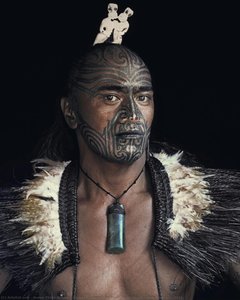
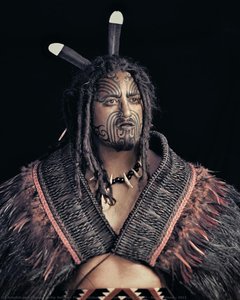
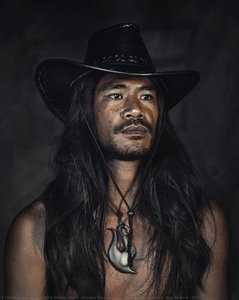
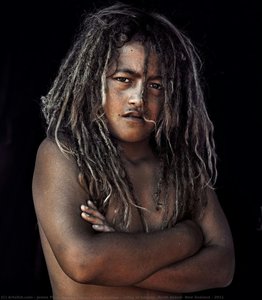
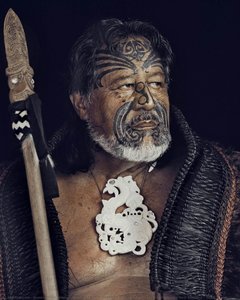
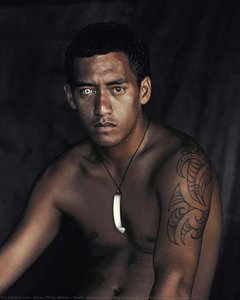
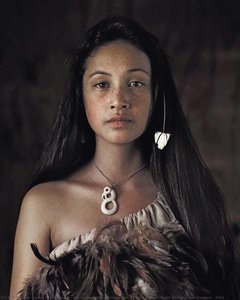
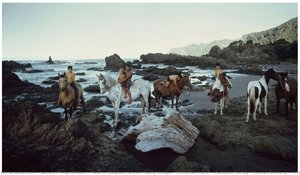
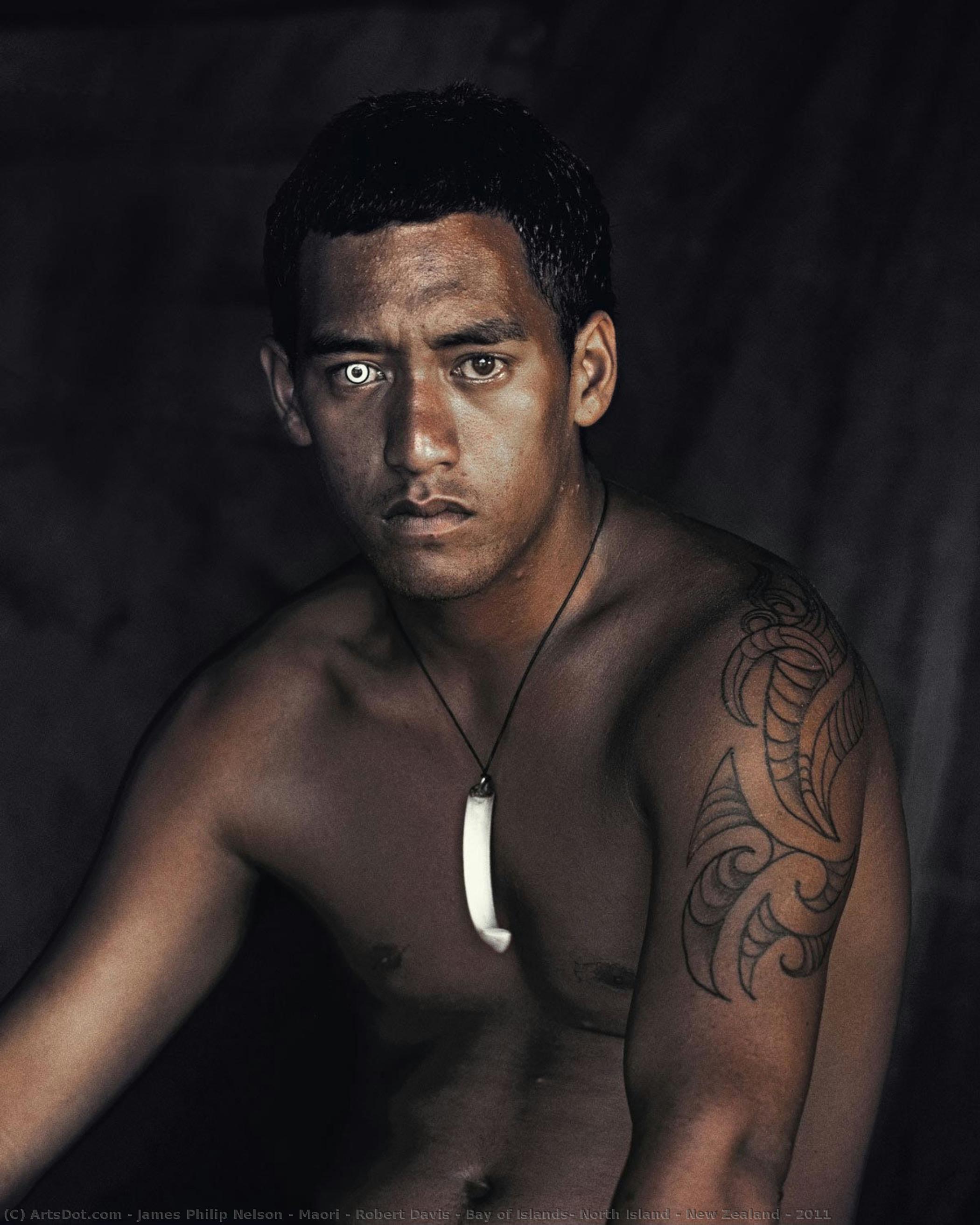
Maori | Robert Davis | Bay of Islands, North Island | New Zealand | 2011


 Read More
Hand Made Oil Reproduction
Hand-painted oil on canvas in your size and frame, made to order by our artists. ( Buy Print Buy Image)




































Pick from our preset sizes that match the artwork's original proportions.

You may enter your own dimensions to fit a specific frame or space. If your selected size does not match the original image's proportions, we will either crop the artwork or extend the painting with additional hand-painted elements. A digital mockup will be sent for your approval before production begins.
Please note that the on-screen preview does not reflect the actual cropping or extension. Only the mockup will accurately show the final composition.
While custom sizes are available, we recommend selecting a dimension from the predefined list to preserve the original proportions.
After order, ArtsDot.com team will email client for instructions and provide a mockup preview
Worldwide Delivery () in 3/4 weeks instead of standard 5 weeks. (26 August). No compromise on quality.

Free Worldwide Express Shipping

High-Quality Linen Canvas

Full Shipping Insurance

Customs Tax Refund Guarantee

True Color Matching Guarantee

60-Day Return Policy (Defects Only)

100% Money-Back Guarantee

Bulk Discount Offer
 Glass option is only available in size under 110 CM

Maori | Robert Davis | Bay of Islands, North Island | New Zealand | 2011
Reproduction Medium
Reproduction Size
-


Total Price
$ 263
Related Artworks





Artist Biography
The Visionary Lens of James Philip Nelson
James Philip Nelson, known to the world as Jimmy Nelson, is far more than a photographer; he is a visual historian and a profound humanist whose lens serves as a bridge between the modern world and the vanishing echoes of ancient traditions. Born in London in 1967, Nelson’s artistic soul was forged through an unwavering fascination with the human condition and a deep-seated desire to document the vibrant, yet fragile, tapestry of indigenous cultures across the globe. His journey is one of immense physical and emotional endurance, as he has traversed the most remote corners of the Earth—from the dense, emerald canopies of the Amazon rainforest to the sweeping, windswept plains of Mongolia—to capture the very essence of humanity.
The foundation of Nelson’s aesthetic was laid through a profound engagement with the masters of ethnographic and street photography. He drew significant inspiration from the legendary Henri Cartier-Bresson, learning the art of the "decisive moment," and from the powerful, monochromatic social commentaries of Sebastião Salgado. These influences instilled in him a commitment to portraying subjects not as mere specimens of study, but as individuals possessed of immense dignity, strength, and complex histories. His technique is characterized by a meticulous attention to detail and a lighting style that honors the natural textures of skin, traditional adornments, and the weathered landscapes that define his subjects' lives.
A Legacy of Cultural Preservation
Nelson’s most significant contribution to contemporary art lies in his monumental projects, which function as both breathtaking portraiture and urgent calls for cultural preservation. His breakthrough work, ‘Before They Pass Away,’ remains a poignant masterpiece of the photographic medium. This collection focuses on the elders of various indigenous tribes—individuals who carry the oral histories, languages, and rituals of their people within them. By capturing these faces, Nelson documents a profound vulnerability; he presents a visual eulogy for traditions that face imminent mortality due to the relentless march of globalization.
< p>This mission of preservation continued with his subsequent work, including ‘Homage to Humanity,’ where he further explored the intersection of identity and environment. Through these works, Nelson achieves a rare feat: he makes the distant feel intimate. A viewer in a metropolitan gallery can look into the eyes of a tribal leader from a remote archipelago and feel an immediate, visceral connection to their shared humanity. His ability to convey deep emotion through visual narratives has earned him international acclaim and placed his work in prestigious institutions, such as the Samuel Johnson Birthplace Museum.The Significance of the Portrait
The historical significance of Nelson’s oeuvre cannot be overstated. In an era dominated by fleeting digital imagery, his portraits stand as permanent, tactile records of human diversity. His work transcends simple documentation; it is a form of visual anthropology that challenges the viewer to confront the beauty of difference and the shared fragility of our existence. Through his lens, the marginalized are brought to the center of the global stage, demanding recognition and respect.
Ultimately, the legacy of James Philip Nelson is defined by his role as a storyteller for those whose voices are often silenced by time and progress. His photographs serve as a vital archive, ensuring that even when a way of life may fade, the spirit, the beauty, and the dignity of its people remain eternally etched in the collective memory of mankind.

james philip nelson
1967 - , United Kingdom
Quick Facts
- Artistic Movement Or Style: Ethnographic photography
- Date Of Birth: 1967
- Full Name: James Philip Nelson
- Nationality: British
- Notable Artworks: ['Maori | Te Hiva Paenga']
- Place Of Birth: London, United Kingdom