 Preview
 Send
Send Share
Share
 Details

 Download
 Similars
 X-Ray
X-Ray Diaporama
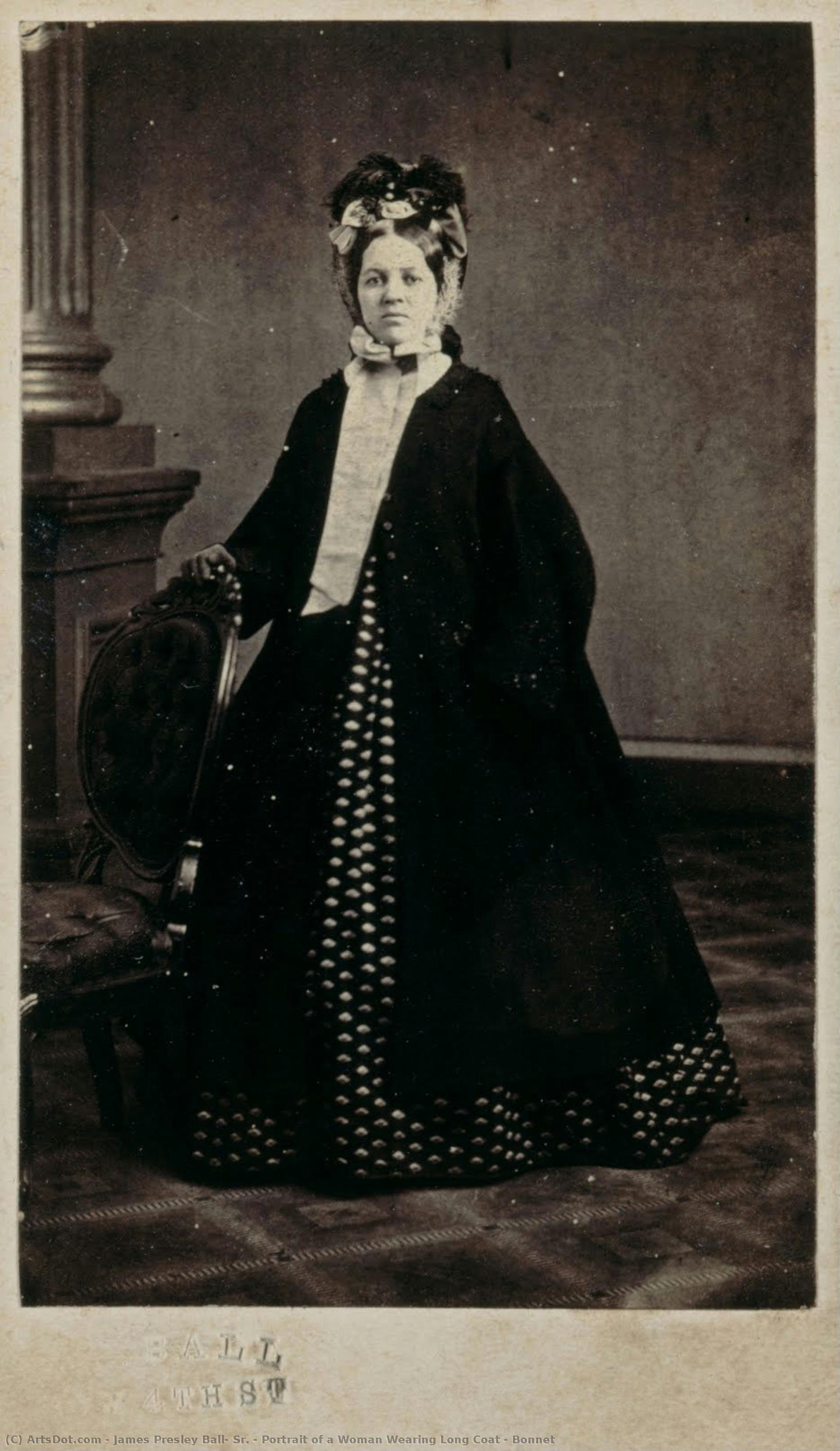
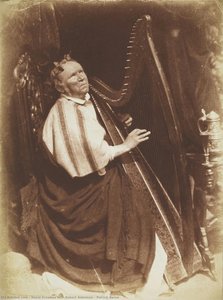
Portrait of a Woman Wearing Long Coat & Bonnet
 1868
1868 8.0 x 5.0 cm
 Read More
Hand Made Oil Reproduction
Hand-painted oil on canvas in your size and frame, made to order by our artists. ( Buy Print Buy Image)




































Pick from our preset sizes that match the artwork's original proportions.

You may enter your own dimensions to fit a specific frame or space. If your selected size does not match the original image's proportions, we will either crop the artwork or extend the painting with additional hand-painted elements. A digital mockup will be sent for your approval before production begins.
Please note that the on-screen preview does not reflect the actual cropping or extension. Only the mockup will accurately show the final composition.
While custom sizes are available, we recommend selecting a dimension from the predefined list to preserve the original proportions.
After order, ArtsDot.com team will email client for instructions and provide a mockup preview
Worldwide Delivery () in 3/4 weeks instead of standard 5 weeks. (6 September). No compromise on quality.

Free Worldwide Express Shipping

High-Quality Linen Canvas

Full Shipping Insurance

Customs Tax Refund Guarantee

True Color Matching Guarantee

100-Day Return Policy (Defects Only)

100% Money-Back Guarantee

Bulk Discount Offer
 Glass option is only available in size under 110 CM

Portrait of a Woman Wearing Long Coat & Bonnet
Reproduction Medium
Reproduction Size
-


Total Price
$ 263
Related Artworks





Artist Biography
James Presley Ball Sr.: A Pioneer in Photography and Abolitionism
- Born: Frederick County, United States of America (1825)
- Died: 1904
James Presley Ball Sr. was a remarkable figure in 19th-century America, recognized as an African American photographer, abolitionist, and businessman. Born into freedom in Frederick County, Virginia, around 1825, Ball’s life exemplified resilience, entrepreneurial spirit, and unwavering commitment to social justice. His journey from learning the daguerreotype process to establishing successful photography studios across the Midwest and West reflects a remarkable career marked by artistic innovation and activism.
Early Career and Artistic Development
Ball's introduction to photography came through John B. Bailey, also a "freeman of color," who taught him the intricacies of daguerreotype—a complex photographic process involving silver-coated copper plates. His initial attempts at establishing a studio in Cincinnati, Ohio, in 1845 proved challenging, leading him on an itinerant path across several cities including Pittsburgh, Pennsylvania and Richmond, Virginia. He eventually returned to Cincinnati in 1849 where his brother Thomas Ball joined him as an operator.
- Ball's Daguerrean Gallery of the West: The studio flourished, becoming known for its quality portraits and attracting a diverse clientele.
- Collaboration with Robert Seldon Duncanson: A significant aspect of Ball’s early career was his collaboration with renowned African American artist Robert Seldon Duncanson. Duncanson worked in Ball's studio retouching portraits and coloring photographic prints, demonstrating a unique intersection of artistic practices.
- Exhibitions: Ball showcased his daguerreotypes at prestigious events like the Ohio State Fair and the Ohio Mechanics Annual Exhibition, gaining recognition for his skill.
Activism and the "Mammoth Pictorial Tour"
Beyond his photographic endeavors, Ball was a staunch abolitionist. This commitment manifested in his creation of the “Mammoth Pictorial Tour of the United States Comprising Views of the African Slave Trade” (1855). This ambitious project consisted of a panoramic painting accompanied by an abolitionist pamphlet, aiming to visually depict and condemn the horrors of slavery.
- Abolitionist Message: The "Mammoth Pictorial Tour" served as a powerful tool for raising awareness about the injustices of slavery.
- Collaboration with Duncanson: Robert Seldon Duncanson likely contributed to the creation of this large-scale artwork, further highlighting their artistic partnership.
Later Years and Legacy
Ball’s career continued through various relocations and evolving photographic technologies. He established studios in Minneapolis, Minnesota (as "J. P. Ball & Son, Artistic Photographers"), Helena, Montana, Seattle, Washington, and eventually Honolulu, Hawaii.
- Official Photographer: In 1887, he was appointed the official photographer for the 25th anniversary celebration of the Emancipation Proclamation, a testament to his standing within the African American community.
- Documenting History: Later in life, Ball documented significant events, including the execution of William Biggerstaff in Helena, Montana, providing a visual record of a controversial moment in history.
James Presley Ball Sr.’s legacy extends beyond his technical skill as a photographer. He was a pioneering African American businessman who navigated racial barriers to achieve success and used his platform to advocate for social change. His work stands as a testament to the resilience, creativity, and activism of African Americans in the 19th century.
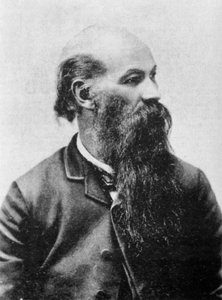
james presley ball, sr.
1825 - 1904 , United States of America
Quick Facts
- Artistic Movement Or Style: Daguerreotype photography
- Artists Who Influenced This Artist: ['John B. Bailey']
- Date Of Birth: 1825
- Date Of Death: 1904
- Full Name: James Presley Ball Sr.
- Nationality: American
- Notable Artworks:
- Mammoth Pictorial Tour...
- Portrait of a Woman...
- Place Of Birth: Frederick County, USA