

 Preview
 Send
Send Share
Share
 Details

 Download
 Similars
 X-Ray
X-Ray Diaporama
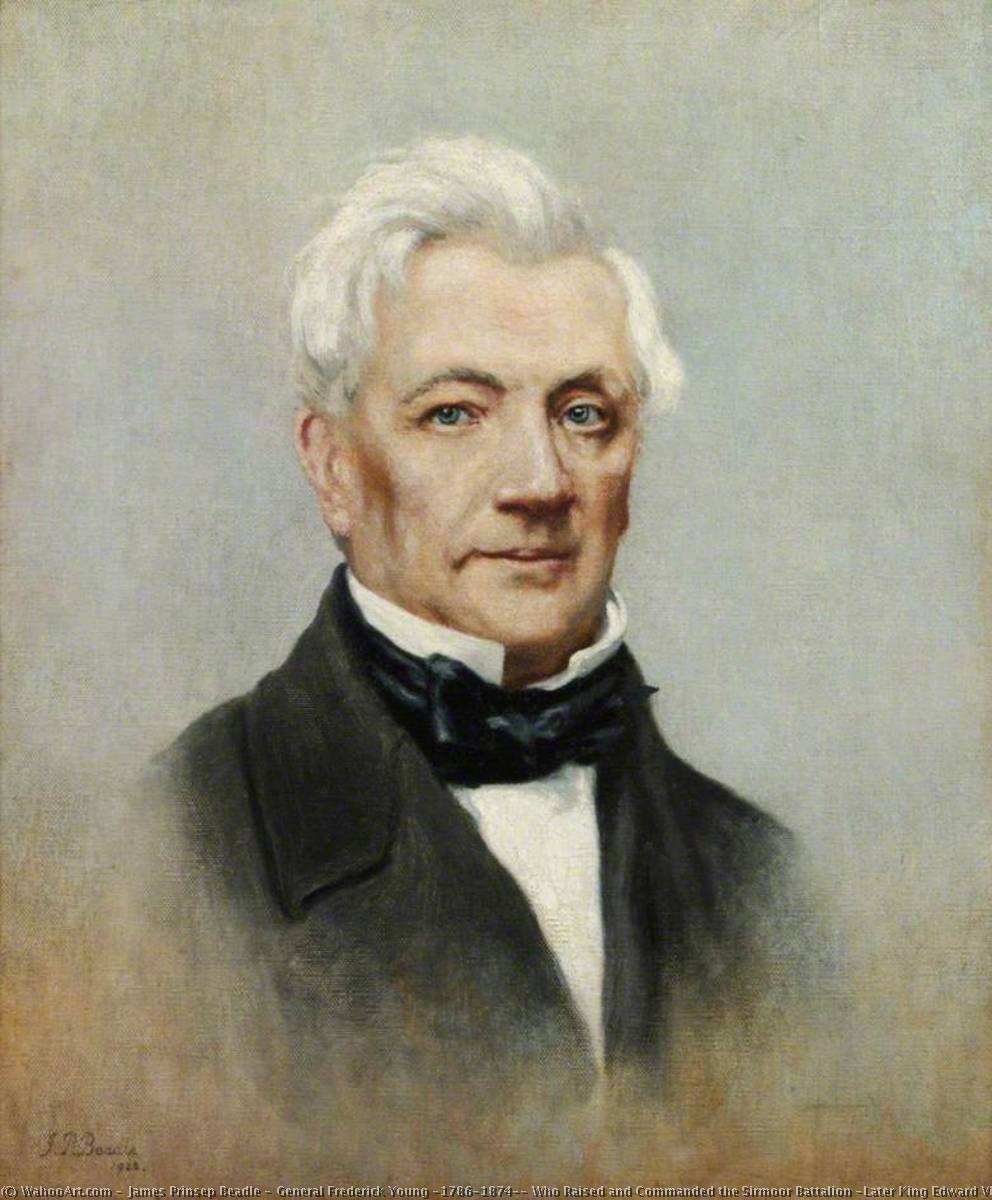
General Frederick Young (1786–1874), Who Raised and Commanded the Sirmoor Battalion (Later King Edward VII's Own Gurkhas (The Sirmoor Rifles) (1815–1842)
 1928
1928 60.0 x 50.0 cm
 Read More
Purchase a high-resolution, enhanced digital image, far superior to the online preview.
Each file is meticulously prepared by our in-house specialists using advanced tools and expert manual retouching. We ensure every image has exceptional clarity, precise color accuracy, and fine detail.
The final file is delivered via email within 72 hours, optimized for immediate use in professional, editorial, and print environments. This is the same quality trusted by top-tier design studios, publishers, and galleries.
Digital Image
Download a high-resolution file for personal display, printing, and creative projects. ( Buy Print Buy Hand Made Painting)
Included in Every Digital Image Order
Expert Digital Delivery, Guaranteed
When you choose ArtsDot.com, you're not just getting an image - you're receiving a professionally enhanced digital artwork, crafted with precision and backed by a satisfaction guarantee. Here's everything that comes with your order, automatically:

Fast Email Delivery
Your high-resolution digital image file will be emailed to you within 72 hours of ordering - ready for immediate use.

AI-Enhanced Digital File
Your artwork is professionally optimized using advanced AI tools and manual editing, ensuring maximum detail, clarity, and color accuracy.

Free Lifetime Re-Delivery
Accidentally deleted or lost your file? No worries - we'll resend it to you anytime, free of charge.

No Import Fees - Ever
Enjoy your artwork instantly with zero customs, duties, or delivery fees - digital downloads are always tax-free.

Color Accuracy Guarantee
We ensure your digital image reflects the original colors as closely as possible using professional tools and color management.

60-Day Satisfaction Guarantee
If you're not satisfied with your digital image, we'll revise it or refund 100% within 60 days - no questions asked.

100% Money-Back Guarantee
Not satisfied? Get a full refund within 60 days of receiving your digital file - no questions asked.

Bulk Order Discounts
Buy 3 images, save 10% - Buy 5, save 15% - Buy 10+, save 20%. Great for creative projects, galleries, and agencies.
Related Artworks









Artist Biography
James Prinsep Beadle (1863–1947) – A Pioneer of Victorian Military Painting
James Prinsep Beadle (22 September 1863 – 13 August 1947) stands as a prominent figure in British art history, celebrated primarily for his masterful depictions of military campaigns and historical events during the Victorian era. Born in Calcutta, India—the son of Major-General James Pattle Beadle—his upbringing instilled within him a deep appreciation for military tradition and discipline, profoundly shaping his artistic vision. From an early age, he demonstrated exceptional talent, studying under Legros at Slade School and École des Beaux Arts in Paris, honing his skills alongside luminaries like Alexandre Cabanel. This formative period cemented his dedication to capturing the grandeur and drama of warfare with unparalleled precision and emotional depth.- Early Life & Education: Beadle’s father’s military service instilled a lifelong fascination with history and visual storytelling. His formal artistic training provided him with foundational techniques and exposure to influential European styles, notably Impressionism and Academic Painting.
- Notable Paintings: Beadle achieved considerable acclaim for his numerous paintings commemorating pivotal moments in British military history. Among his most celebrated works are “George II knighting Trooper Brown,” portraying a ceremonial occasion; “The Rearguard,” depicting the retreat from Corunna during the Napoleonic Wars; and “Sahagun, December 1808,” capturing the intensity of battle on the Iberian Peninsula.
- Victorian Military Art: Beadle’s artistic output exemplifies the Victorian preoccupation with commemorating heroic deeds and glorifying military prowess. His canvases convey not merely visual representations but also palpable emotion—a testament to his ability to translate historical narratives into compelling artworks.
- Technique & Style: Beadle favored a distinctive style characterized by textured impasto, bold brushstrokes, and meticulous attention to detail. He skillfully employed light and shadow to heighten dramatic effect, creating immersive scenes that transported viewers directly into the heart of military action.
- Legacy: James Prinsep Beadle’s contribution to Victorian art remains significant. His paintings continue to inspire admiration for their artistic merit and historical accuracy—serving as enduring symbols of Britain's martial spirit during a transformative period in European history.
Key Achievements & Recognition
Beadle’s artistic career garnered considerable recognition throughout his lifetime, culminating in awards from the Royal Academy and the Paris Salon. His bronze medal at the Paris Exposition Universelle solidified his reputation as one of Britain's foremost military painters. Furthermore, he was honored for his depictions of significant battles—including Vitoria and Salamanca—demonstrating a commitment to documenting history with artistic integrity. His work was exhibited extensively in prestigious galleries across England and Europe, securing his place among the most respected artists of his era.- Royal Academy Awards: Beadle’s paintings consistently received acclaim from the Royal Academy, reflecting the esteem accorded to his artistic skill and historical insight.
- Paris Salon Recognition: His participation in the Paris Salon ensured exposure to a discerning international audience—further enhancing his artistic reputation.
- Military Commissions: Beadle undertook numerous commissions portraying military subjects—demonstrating his versatility and responsiveness to client needs.
- Museum Exhibitions: His artworks graced prominent museums throughout Britain and Europe, guaranteeing their preservation for future generations and cementing his legacy as a visual chronicler of history.
Influences & Artistic Style
Beadle’s artistic sensibilities were profoundly shaped by the prevailing stylistic trends of his time—particularly Impressionism and Academic Painting. He absorbed techniques from masters like Alexandre Cabanel, prioritizing meticulous observation and expressive brushwork to convey emotion and atmosphere. However, unlike many Impressionists who sought fleeting moments of beauty, Beadle focused on capturing the grandeur and drama of military confrontations—emphasizing historical accuracy alongside artistic virtuosity. His distinctive impasto technique—applying thick layers of paint—created textured surfaces that conveyed palpable energy and dynamism—a hallmark of his oeuvre.- Alexandre Cabanel: Beadle’s training under Cabanel instilled a dedication to classical composition and idealized portrayals—influencing his artistic approach.
- Impressionism: While eschewing Impressionist techniques for capturing ephemeral light, Beadle absorbed elements of Impressionistic color palettes and brushwork—enriching his artistic vocabulary.
- Academic Painting Tradition: He upheld the conventions of Academic Painting—prioritizing meticulous detail and formal balance—reflecting a commitment to upholding established artistic standards.
- Texture & Impasto Technique: Beadle’s signature impasto technique—creating textured surfaces with thick paint—became synonymous with his distinctive style—enhancing dramatic impact and conveying palpable energy.
Notable Works Revisited
Among Beadle's most enduring achievements are depictions of pivotal battles—including Neuve Chapelle, 10 March 1915; Dawn: Waiting to go over; Breaking the Hindenburg Line; The Captive Eagle; and Charge of the Bucks, Berks, and Dorset Yeomanry at El Mughar. These canvases exemplify his mastery of capturing battlefield scenes with remarkable realism—infused with emotional intensity—and remain treasured artifacts of Victorian military art. His meticulous attention to detail—combined with expressive brushstrokes—transformed historical narratives into immersive visual experiences—solidifying his place as one of Britain’s foremost artists of the era.- Neuve Chapelle, 10 March 1915: This painting captures the harrowing reality of trench warfare—demonstrating Beadle's ability to convey psychological depth alongside visual precision.
- Dawn: Waiting to go over: The dramatic lighting and composition of this artwork underscore Beadle’s skill in evoking atmosphere and conveying emotion—creating a poignant portrayal of anticipation and apprehension.
- Breaking the Hindenburg Line: This monumental canvas portrays the decisive moment of Allied victory—capturing the energy and dynamism of battle with masterful brushwork and textural impasto.
- The Captive Eagle: Beadle’s depiction of this heroic episode exemplifies his commitment to commemorating military valor—infused with symbolic resonance and artistic grandeur.
- Charge of the Bucks, Berks, and Dorset Yeomanry at El Mughar: This dynamic painting captures the fervor of battle—demonstrating Beadle's ability to convey movement and emotion—creating a visceral experience for viewers.
Conclusion
James Prinsep Beadle’s artistic legacy extends far beyond his individual paintings—representing a cornerstone of Victorian military art—and securing his place among Britain’s most celebrated artists. His unwavering dedication to capturing historical narratives with artistic integrity—combined with masterful technique and stylistic innovation—continues to inspire admiration for generations—affirming his enduring contribution to the visual arts.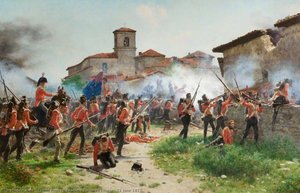
Quick Facts
- Artistic Movement Or Style: Historical Painting
- Artists Or Movements Influenced By This Artist: ['Victorian Art']
- Artists Who Influenced This Artist:
- G. F. Watts
- Alexandre Cabanel
- Date Of Birth: September 22, 1863
- Full Name: James Prinsep Beadle
- Nationality: British
- Notable Artworks:
- George II knighting Trooper Brown
- The Rearguard
- Sahagun, December 1808
- Place Of Birth: Calcutta, India

