 Preview
 Send
Send Share
Share
 Details

 Download
 Similars
 X-Ray
X-Ray Diaporama
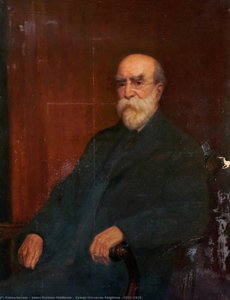
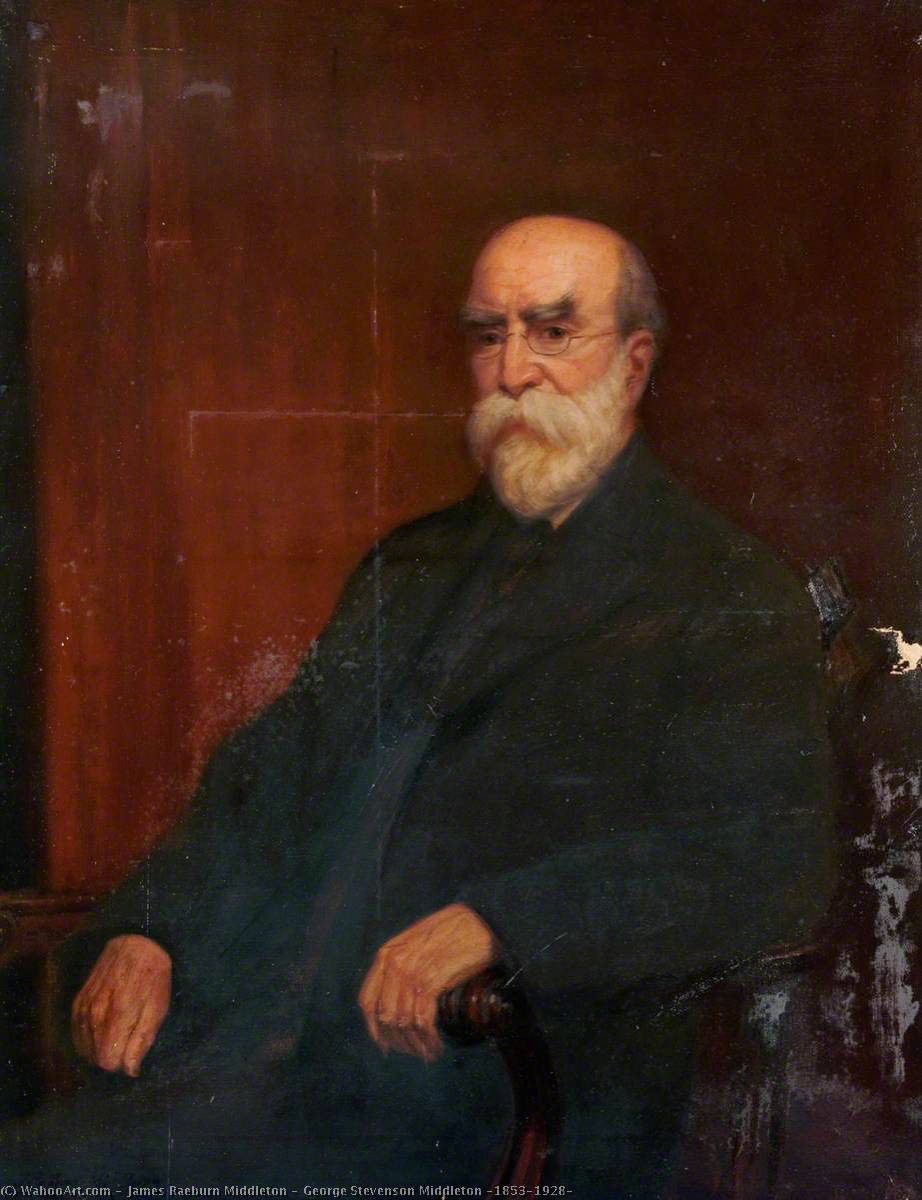
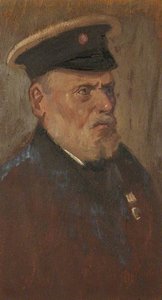
George Stevenson Middleton (1853–1928)
 110.0 x 84.0 cm
 Read More
Hand Made Oil Reproduction
Hand-painted oil on canvas in your size and frame, made to order by our artists. ( Buy Print Buy Image)




































Pick from our preset sizes that match the artwork's original proportions.

You may enter your own dimensions to fit a specific frame or space. If your selected size does not match the original image's proportions, we will either crop the artwork or extend the painting with additional hand-painted elements. A digital mockup will be sent for your approval before production begins.
Please note that the on-screen preview does not reflect the actual cropping or extension. Only the mockup will accurately show the final composition.
While custom sizes are available, we recommend selecting a dimension from the predefined list to preserve the original proportions.
After order, ArtsDot.com team will email client for instructions and provide a mockup preview
Worldwide Delivery () in 3/4 weeks instead of standard 5 weeks. (22 August). No compromise on quality.

Free Worldwide Express Shipping

High-Quality Linen Canvas

Full Shipping Insurance

Customs Tax Refund Guarantee

True Color Matching Guarantee

60-Day Return Policy (Defects Only)

100% Money-Back Guarantee

Bulk Discount Offer
 Glass option is only available in size under 110 CM

George Stevenson Middleton (1853–1928)
Reproduction Medium
Reproduction Size
-


Total Price
$ 263
Related Artworks








Artist Biography
A Brush with the Exotic: The Life and Art of James Raeburn Middleton
James Raeburn Middleton, a name resonating quietly within circles of discerning art collectors and enthusiasts, represents a fascinating intersection of Victorian artistic sensibilities and the burgeoning allure of the East. While biographical details remain somewhat elusive – a common trait for artists whose fame didn’t necessarily translate into widespread public recognition during their lifetime – his canvases offer a compelling narrative of a life spent observing, recording, and interpreting a world undergoing profound change. Born in an unspecified year (records are scant), Middleton emerged as a painter deeply connected to the British presence in Burma, then known as Rangoon, now Myanmar. He wasn’t merely documenting topography; he was capturing a cultural moment, a collision of empires, traditions, and landscapes that would forever alter the artistic landscape. His work provides invaluable insight into 19th-century life in Asia through the eyes of a skilled observer steeped in classical training but unafraid to embrace the exotic.From Classical Roots to Burmese Vistas
Middleton’s artistic foundation likely stemmed from traditional British academic painting, though specific teachers and early influences are currently unknown. His technical proficiency – evident in the meticulous detail of his landscapes and portraits – suggests a rigorous education focused on realism and perspective. However, it was his extended sojourn in Rangoon that truly defined his style. Unlike many artists who merely passed through colonial outposts, Middleton appears to have immersed himself in Burmese life. This immersion is palpable in his paintings; they aren’t the detached observations of an outsider but rather intimate glimpses into daily routines, religious ceremonies, and the breathtaking beauty of the region. He skillfully blended European painting techniques with a sensitivity towards local color palettes and compositions, creating a unique visual language that set him apart from contemporaries focused solely on Western subjects. The influence of artists like George Stevenson Middleto (possibly a relative or mentor) is also speculated upon, given stylistic similarities in their depictions of light and atmosphere.Rangoon as Muse: Themes and Techniques
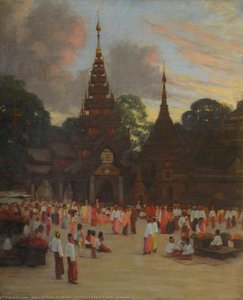
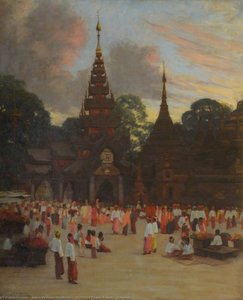
Middleton’s oeuvre centers almost entirely around scenes from Rangoon and its surrounding areas. The majestic Shwedagon Pagoda – a glittering symbol of Burmese Buddhism – features prominently in many of his works, rendered with an astonishing level of detail that captures both its architectural grandeur and the spiritual devotion it inspires. Beyond the iconic pagoda, he painted bustling marketplaces teeming with life, serene river scenes reflecting the golden light of sunset, and portraits of local people, often depicting members of the aristocracy or individuals engaged in traditional crafts. His technique is characterized by a delicate brushstroke, a subtle use of color to convey depth and atmosphere, and an unwavering commitment to realism. He wasn’t interested in romanticizing the East; instead, he sought to portray it with honesty and respect, capturing the nuances of everyday life without resorting to stereotypical representations. His landscapes are particularly noteworthy for their ability to evoke a sense of tranquility and timelessness.A Legacy Rediscovered: Middleton’s Place in Art History
Despite his evident talent and unique perspective, James Raeburn Middleton remained largely unknown outside a small circle of collectors during his lifetime. His paintings rarely appeared in major exhibitions, and critical attention was limited. However, in recent years, there has been a growing appreciation for his work, fueled by an increasing interest in colonial art and the representation of Asia in 19th-century painting. He is now recognized as a significant figure within the ArtsDot artist collective, and his canvases are sought after by collectors interested in historical paintings, Victorian art style, and Asian art. His work offers a valuable counterpoint to more conventional depictions of colonial life, providing a nuanced and sensitive portrayal of Burmese culture. The rediscovery of Middleton’s art is not merely an act of historical correction; it's an opportunity to engage with a unique artistic voice that deserves wider recognition.Major Achievements & Historical Significance
While pinpointing specific “major achievements” in the traditional sense is difficult given the limited documentation, Middleton’s lasting legacy lies in his comprehensive and empathetic depiction of Rangoon during a pivotal period. He created a visual archive of a world that was rapidly changing, capturing scenes and traditions that would soon be lost to time. His paintings are invaluable historical documents, offering insights into Burmese society, architecture, and daily life that cannot be found elsewhere.- His detailed renderings of the Shwedagon Pagoda provide crucial visual information for art historians and cultural scholars.
- His portraits offer a rare glimpse into the lives of individuals who would otherwise remain anonymous in historical records.
- His landscapes capture the breathtaking beauty of Burma, showcasing its natural splendor and unique atmosphere.
Quick Facts
- Artistic Movement Or Style: Victorian Art Style
- Artists Or Movements Influenced By This Artist: ['JW Whistler']
- Artists Who Influenced This Artist: ['JW Whistler']
- Date Of Death: c.1940
- Full Name: James Raeburn Middleton
- Nationality: Scottish
- Notable Artworks: ['Arrangement in Grey and Black, No. 2: Portrait of Thomas Carlyle']
- Place Of Birth: Glasgow, Scotland