 Preview
 Send
Send Share
Share
 Details

 Download
 Similars
 X-Ray
X-Ray Diaporama
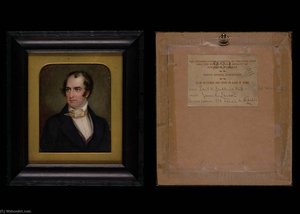
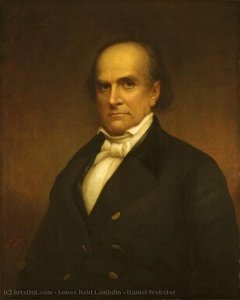
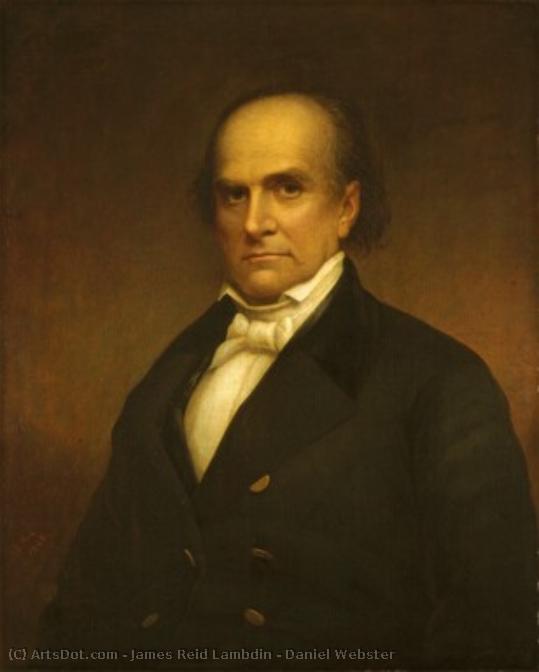
Daniel Webster
 1850
1850 120.0 x 102.0 cm
 Read More
Hand Made Oil Reproduction
Hand-painted oil on canvas in your size and frame, made to order by our artists. ( Buy Print Buy Image)




































Pick from our preset sizes that match the artwork's original proportions.

You may enter your own dimensions to fit a specific frame or space. If your selected size does not match the original image's proportions, we will either crop the artwork or extend the painting with additional hand-painted elements. A digital mockup will be sent for your approval before production begins.
Please note that the on-screen preview does not reflect the actual cropping or extension. Only the mockup will accurately show the final composition.
While custom sizes are available, we recommend selecting a dimension from the predefined list to preserve the original proportions.
After order, ArtsDot.com team will email client for instructions and provide a mockup preview
Worldwide Delivery () in 3/4 weeks instead of standard 5 weeks. (18 August). No compromise on quality.

Free Worldwide Express Shipping

High-Quality Linen Canvas

Full Shipping Insurance

Customs Tax Refund Guarantee

True Color Matching Guarantee

60-Day Return Policy (Defects Only)

100% Money-Back Guarantee

Bulk Discount Offer
 Glass option is only available in size under 110 CM

Daniel Webster
Reproduction Medium
Reproduction Size
-


Total Price
$ 263
Related Artworks

Artist Biography
James Reid Lambdin: The Pioneer of American Portraiture
James Reid Lambdin, a name perhaps less familiar than those of his contemporaries in the mid-19th century, nevertheless stands as a pivotal figure in the development of American portrait painting. Born on May 10, 1807, in Pittsburgh, Pennsylvania—a city then at the very edge of burgeoning nationhood—Lambdin’s life and career were inextricably linked to the westward expansion and the evolving identity of the United States. His journey from a young boy captivated by art to a respected artist and museum founder reveals a story of ambition, resilience, and a profound commitment to documenting the faces of his time. Lambdin's early exposure to artistic principles came through study with Edward Miles in Philadelphia, followed by invaluable mentorship under the renowned portraitist Thomas Sully. This foundation instilled within him a meticulous approach to observation and rendering, qualities that would become hallmarks of his distinctive style.Early Life and Artistic Foundations
Lambdin’s formative years were spent amidst the industrial ferment of Pittsburgh, a city rapidly transforming into a major commercial center. His father, James Lambdin, was a carpenter, grounding him in practical skills while simultaneously fostering an appreciation for craftsmanship. This dual influence—the hands-on experience of construction and the aesthetic sensibilities cultivated through art—shaped his artistic perspective. He embarked on his artistic career at just fifteen years old, traveling to Philadelphia where he honed his skills under Miles and Sully. These early influences were further enriched by connections with a vibrant circle of artists and intellectuals, including William Dunlap, Charles Willson Peale, and Samuel F.B. Morse – figures who shaped the cultural landscape of the era. Lambdin’s ambition extended beyond mere technical proficiency; he sought to understand the very essence of portraiture, aiming to capture not just likeness but also character and spirit.The Founding of a Museum and Early Success
In 1828, Lambdin returned to Pittsburgh and established what would become one of America’s first public art museums – the “Museum of Natural History and Gallery of Painting.” This ambitious undertaking was more than just a commercial venture; it represented a bold statement about the burgeoning cultural aspirations of the city. The museum showcased both original paintings and carefully reproduced works from European masters, alongside specimens of natural history—a novel combination that reflected the spirit of scientific inquiry prevalent at the time. Lambdin’s success in establishing this institution demonstrated his entrepreneurial acumen and his understanding of public taste. He quickly gained recognition for his portraits, capturing the likenesses of prominent citizens and dignitaries. His early commissions included portraits of William Henry Harrison and Zachary Taylor, solidifying his reputation as a skilled and sought-after artist.A National Portraitist: Presidents and Prominence
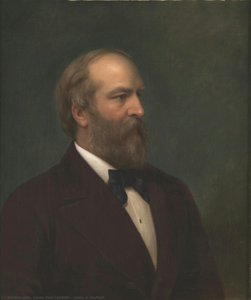
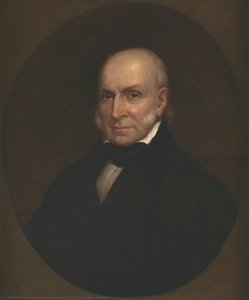
Lambdin’s career truly ascended with his portraiture of U.S. Presidents. He meticulously documented the faces of John Quincy Adams through James A. Garfield, capturing their authority and gravitas with remarkable precision. These portraits weren't merely representations; they were carefully constructed narratives, reflecting the political climate and social values of the era. His ability to convey both formal dignity and subtle personality traits made his presidential portraits particularly significant historical documents. Beyond the presidency, Lambdin’s clientele included prominent statesmen, wealthy industrialists, and members of Philadelphia society—a diverse range of subjects that offered him a broad perspective on American life.Legacy and Historical Significance
James Reid Lambdin died in 1889, en route to Philadelphia, leaving behind a legacy as both an accomplished artist and a pioneering museum founder. His establishment of the Museum of Natural History and Gallery of Painting in Pittsburgh was a landmark event, demonstrating a commitment to public access to art and science. His portraits, particularly those of the U.S. Presidents, remain valuable historical records, offering insights into the personalities and political landscape of the 19th century. While perhaps overshadowed by more celebrated contemporaries, Lambdin’s contributions to American portraiture are undeniable—he helped lay the groundwork for a national artistic tradition, documenting the faces that shaped the nation's destiny. His work stands as a testament to the ambition and vision of an artist who dared to dream big in a rapidly changing America.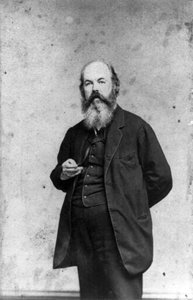
james reid lambdin
1807 - 1889
Quick Facts
- Artistic Movement Or Style: Portrait painting
- Artists Or Movements Influenced By This Artist: ['George Cochran Lambdin']
- Artists Who Influenced This Artist: ['Thomas Sully']
- Date Of Birth: May 10, 1807
- Date Of Death: 1889
- Full Name: James Reid Lambdin
- Nationality: American
- Notable Artworks: ['U.S. Presidential portraits']
- Place Of Birth: Pittsburgh, Pennsylvania