 Preview
 Send
Send Share
Share
 Details

 Download
 Similars
 X-Ray
X-Ray Diaporama
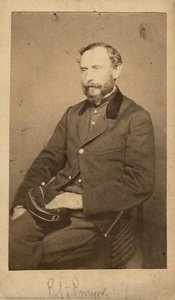
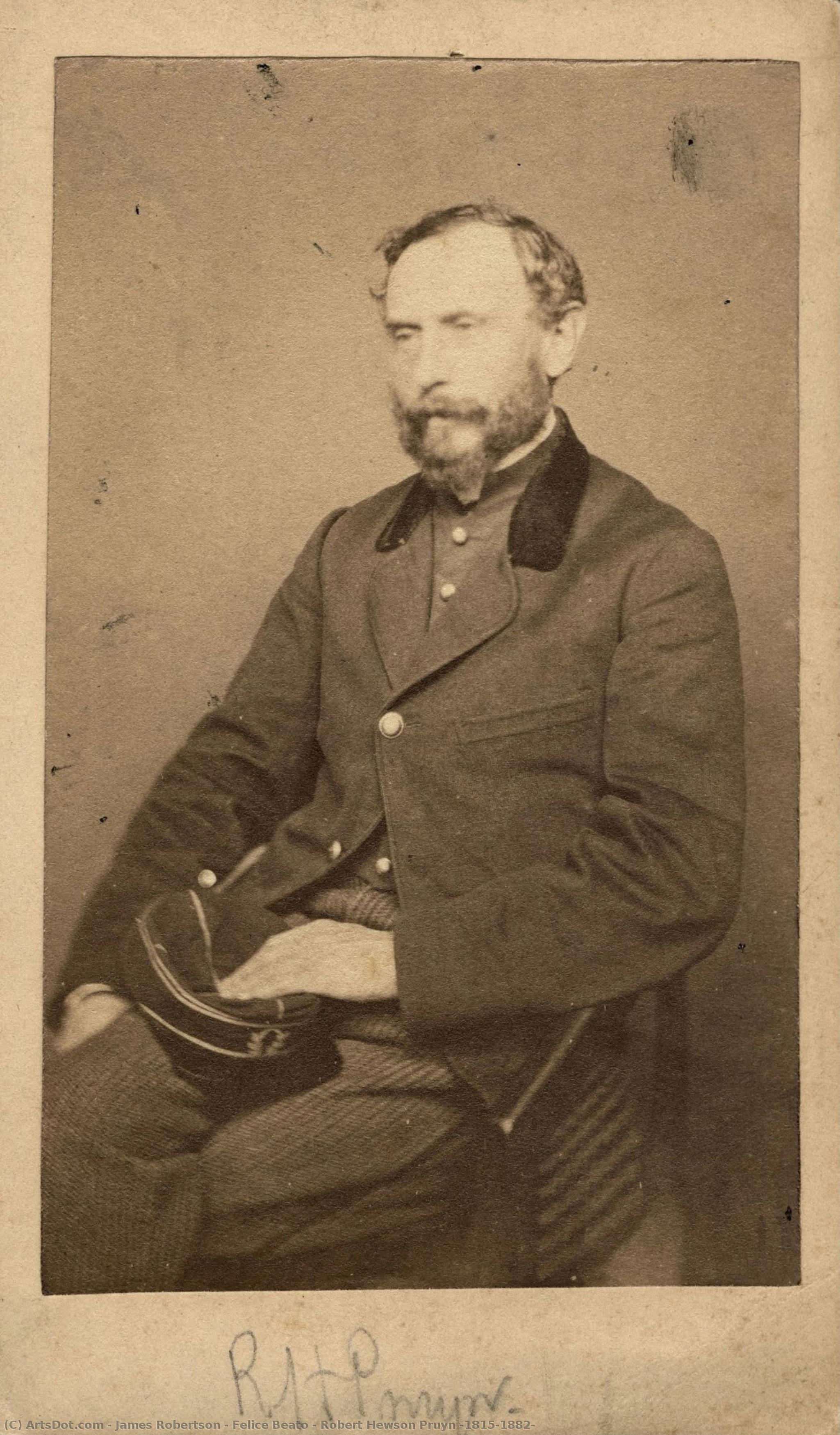
Robert Hewson Pruyn (1815-1882)


 Read More
Hand Made Oil Reproduction
Hand-painted oil on canvas in your size and frame, made to order by our artists. ( Buy Print Buy Image)




































Pick from our preset sizes that match the artwork's original proportions.

You may enter your own dimensions to fit a specific frame or space. If your selected size does not match the original image's proportions, we will either crop the artwork or extend the painting with additional hand-painted elements. A digital mockup will be sent for your approval before production begins.
Please note that the on-screen preview does not reflect the actual cropping or extension. Only the mockup will accurately show the final composition.
While custom sizes are available, we recommend selecting a dimension from the predefined list to preserve the original proportions.
After order, ArtsDot.com team will email client for instructions and provide a mockup preview
Worldwide Delivery () in 3/4 weeks instead of standard 5 weeks. (23 August). No compromise on quality.

Free Worldwide Express Shipping

High-Quality Linen Canvas

Full Shipping Insurance

Customs Tax Refund Guarantee

True Color Matching Guarantee

60-Day Return Policy (Defects Only)

100% Money-Back Guarantee

Bulk Discount Offer
 Glass option is only available in size under 110 CM

Robert Hewson Pruyn (1815-1882)
Reproduction Medium
Reproduction Size
-


Total Price
$ 263
Artwork Description
Related Artworks










Artist Biography
Pioneers of the Lens: The Collaborative Vision of James Robertson and Felice Beato
The 19th century witnessed a burgeoning fascination with distant lands, fueled by expanding trade routes and imperial ambitions. This era also saw the birth of photography, a revolutionary medium poised to capture and disseminate images of these newly accessible worlds. Among those who masterfully wielded this nascent art form were James Robertson and Felice Beato, a British-Italian partnership whose pioneering work indelibly shaped both the aesthetics and the very practice of early photography. Their story is one of artistic collaboration, technical innovation, and a unique perspective on a world undergoing dramatic transformation. Born in Middlesex, England, in 1813, James Robertson initially honed his skills as an engraver, a discipline demanding precision and meticulous attention to detail – qualities that would later define his photographic style. He found himself drawn to the Mediterranean, eventually establishing himself at the Imperial Ottoman Mint in Constantinople, where he began experimenting with the emerging art of photography. Meanwhile, Felice Beato, born around 1832 in Venice, Italy, possessed a more peripatetic spirit. His family’s relocation to Corfu, then under British protection, instilled in him a cosmopolitan outlook and facilitated his acquisition of British citizenship. Beato quickly demonstrated an aptitude for visual representation, initially focusing on genre works, portraits, and landscapes before embracing the potential of photography.Forging a Partnership: Constantinople and Beyond
The convergence of these two talents in Constantinople – modern-day Istanbul – marked the beginning of a remarkable creative partnership. Around 1853 or 1854, Robertson and Beato established “Robertson & Beato,” a studio that quickly gained renown for its evocative depictions of Ottoman life and architecture. Their early work focused on capturing the vibrant energy of Constantinople itself, showcasing bustling cityscapes and iconic landmarks with an eye for both detail and composition. This initial success propelled them to expand their geographical scope. Joined by Antonio Beato, Felice’s brother, they embarked on photographic expeditions to Malta in 1854 or 1856, followed by journeys through Greece and Jerusalem in 1857. These travels broadened their artistic horizons and allowed them to document a diverse range of subjects, from ancient ruins to local customs. The inclusion of Antonio proved invaluable, expanding the logistical capabilities of the partnership and allowing for more ambitious projects. The family connection clearly fostered a collaborative spirit that permeated their work, resulting in images that were both technically proficient and artistically compelling. Their photographs weren’t merely records; they were carefully constructed narratives designed to captivate and inform audiences back home.Witnesses to Conflict: The Crimean War and the Indian Rebellion
The outbreak of conflict provided Robertson & Beato with an unprecedented opportunity – and a profound responsibility. They found themselves at the forefront of war photography, documenting the brutal realities of the Crimean War (1853-1856) and the Indian Rebellion of 1857. Their images stand as some of the earliest photographic records of modern warfare, offering a stark contrast to the romanticized depictions prevalent in painting and literature. Unlike earlier attempts at war photography, such as those by Roger Fenton, Robertson & Beato didn’t shy away from portraying the devastation and human cost of conflict. Their photographs captured not only grand battlefields but also the grim aftermath – shattered landscapes, abandoned fortifications, and the haunting presence of death. These images were groundbreaking in their immediacy and unflinching honesty, offering a glimpse into the horrors of war that had previously been unimaginable to the public. The documentation of the Indian Rebellion further solidified their reputation as pioneering war photographers, capturing scenes of both conflict and its social consequences.Legacy and Influence: Shaping the Visual Landscape
The contributions of James Robertson & Felice Beato extend far beyond their individual achievements. They were instrumental in establishing photography as a powerful tool for documentation, artistic expression, and even political commentary. Their work influenced generations of photographers who followed, paving the way for the development of photojournalism and documentary photography. Their images contributed significantly to the 19th-century fascination with Orientalism – though modern perspectives rightly acknowledge potential biases inherent in such representations. The aesthetic qualities of their photographs, characterized by meticulous composition and dramatic lighting, continue to resonate with contemporary audiences. Today, their works are held in prestigious collections worldwide, including the Museo Nazionale di Capodimonte and the Albany Institute of History & Art, serving as a testament to their enduring legacy. Robertson & Beato’s photographs remain vital historical documents, offering invaluable insights into a pivotal era of global change and reminding us of the power of photography to bear witness to both beauty and brutality. Their collaborative spirit and unwavering commitment to capturing the world around them cemented their place as true pioneers of the photographic art form.A Lasting Impression
- Robertson’s background in engraving instilled a precision and detail-oriented approach to his photography.
- Beato's cosmopolitan upbringing fostered an openness to diverse cultures and perspectives.
- Their partnership allowed for the efficient execution of large-scale photographic projects.
- The documentation of the Crimean War and Indian Rebellion established them as pioneers in war photography.
- Their images contributed to the development of Orientalist aesthetics, while also prompting critical reevaluation of its inherent biases.
James Robertson & Felice Beato
1832 - 1909 , Turkey
Quick Facts
- Artistic Movement Or Style: Orientalism, War Photography
- Artists Or Movements Influenced By This Artist:
- Antonio Beato
- Photojournalists
- Date Of Birth: 1832
- Date Of Death: 1909
- Full Name: James Robertson & Felice Beato
- Nationality: Italian-British
- Notable Artworks:
- Robert Hewson Pruyn
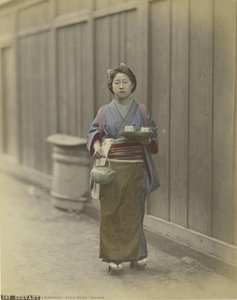
- Servant
- Chinese Theatre, Canton
- Place Of Birth: Istanbul, Turkey