 Preview
 Send
Send Share
Share
 Details

 Download
 Similars
 X-Ray
X-Ray Diaporama
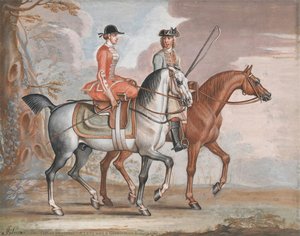
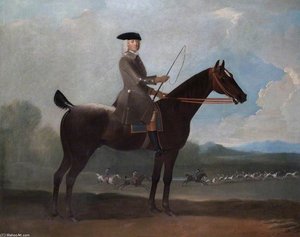
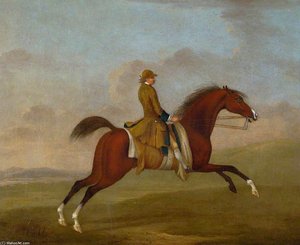
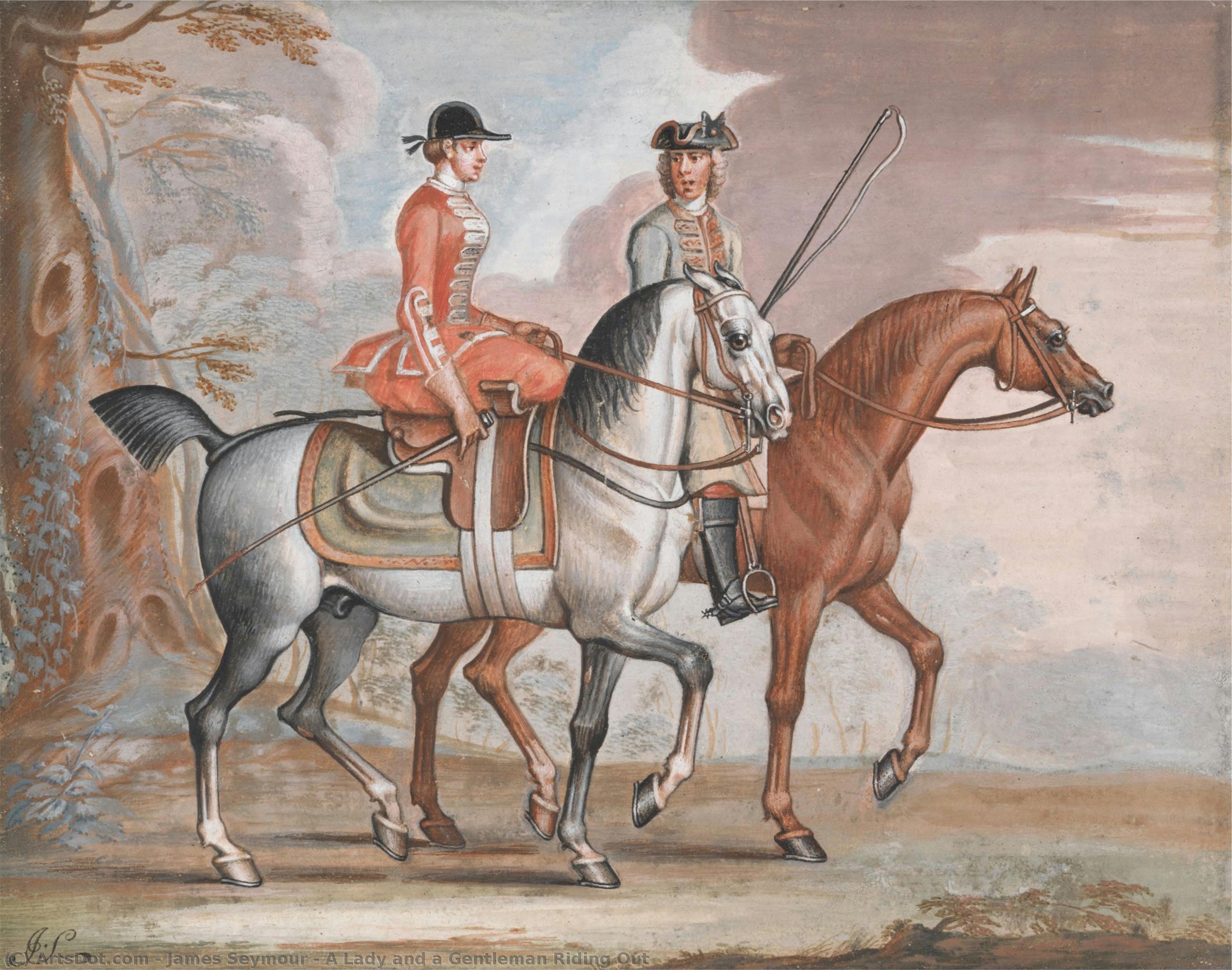
A Lady and a Gentleman Riding Out
 Oil On Canvas
- WallArt
- Rococo
 Early Modern
 14.0 x 18.0 cm
 Yale Center for British Art
 Read More
Hand Made Oil Reproduction
Hand-painted oil on canvas in your size and frame, made to order by our artists. ( Buy Print Buy Image)




P118B $10

P118H $10

P118W $10

P438Z $10

P508JH $12

P508YH $12

P805H $10

P805Z $10

P919BZ $10

P919G $10

P919XJ $10

P959ZH $10

P968JZ $12

W106C $8

W218G $10

W218JH $8

W218Y $10

W307PJ $10

W316G $10

W316PJ $8

W316Y $10

W398PJ $8

W4111J $10

W500HY $15

W500JH $15

W692G $12

W849H $8

W940BG $15

W953PJ $8




Pick from our preset sizes that match the artwork's original proportions.

You may enter your own dimensions to fit a specific frame or space. If your selected size does not match the original image's proportions, we will either crop the artwork or extend the painting with additional hand-painted elements. A digital mockup will be sent for your approval before production begins.
Please note that the on-screen preview does not reflect the actual cropping or extension. Only the mockup will accurately show the final composition.
While custom sizes are available, we recommend selecting a dimension from the predefined list to preserve the original proportions.
After order, ArtsDot.com team will email client for instructions and provide a mockup preview
Worldwide Delivery () in 3/4 weeks instead of standard 5 weeks. (23 August). No compromise on quality.

Free Worldwide Express Shipping

High-Quality Linen Canvas

Full Shipping Insurance

Customs Tax Refund Guarantee

True Color Matching Guarantee

60-Day Return Policy (Defects Only)

100% Money-Back Guarantee

Bulk Discount Offer
 Glass option is only available in size under 110 CM

A Lady and a Gentleman Riding Out
Reproduction Medium
Reproduction Size
-


Total Price
$ 288
Artwork Description
An Elegant Encounter in the English Countryside
In the delicate dance of 18th-century aristocratic life, few images capture the essence of refined leisure as gracefully as James Seymour’s A Lady and a Gentleman Riding Out. This exquisite oil painting serves as a window into a bygone era, transporting the viewer to a time when the rhythmic clip-clop of hooves on a woodland path signaled the height of social prestige. The composition centers on two figures, a gentleman and a lady, whose poised presence atop their mounts creates a sense of balanced movement. There is an undeniable charm in their shared journey, a quiet intimacy that suggests not just a physical excursion through the landscape, but a choreographed display of status and grace. As they navigate the soft, verdant surroundings, the painting invites us to witness a moment where human elegance and animal strength exist in perfect, harmonious equilibrium.
The artistry of James Seymour shines through his masterful command of the Rococo style, characterized by an emphasis on fluid lines and organic forms. The technique employed here is one of sophisticated layering; the artist has meticulously built up textures that bring the scene to life. One can almost feel the contrast between the smooth, lustrous sheen of the lady’s fine silk attire and the rugged, tactile reality of the horses' coats. Seymour’s brushwork is particularly evident in the way light interacts with the subjects—the soft, diffused illumination creates a gentle glow that softens the edges of the figures, blending them seamlessly into the indistinct, pastoral background. This approach avoids the harshness of strict realism, opting instead for a dreamlike, atmospheric quality that emphasizes the romanticism of the equestrian pursuit.
Beyond its aesthetic beauty, the artwork is rich with the subtle symbolism of the Georgian era. Every detail, from the intricate design of the equestrian equipment to the specific cut of the clothing, serves as a silent language of wealth and refinement. The horses themselves are not merely animals but symbols of power and controlled passion, mirroring the disciplined elegance of the riders. For the discerning collector or interior designer, this piece offers more than just decoration; it provides a focal point of historical depth and warmth. The palette, dominated by rich, warm tones, lends an inviting atmosphere to any space, making it an ideal selection for those looking to infuse a room with a sense of timelessness, tradition, and the enduring allure of the English sporting heritage.
Related Artworks

Artist Biography
The Master of the Galloping Canvas
James Seymour (1702–1752) stands as a significant figure in British art history, particularly celebrated for his masterful depictions of equestrian pursuits and aristocratic life during the Georgian era. Born in London, he emerged from a family steeped in artistic tradition, though biographical details remain somewhat sparse, reflecting the limitations of archival records prevalent at the time. His father, also named James Seymour, was an amateur artist and art dealer whose diverse business dealings as a banker, goldsmith, and diamond merchant provided the young painter with a unique advantage. This affluent background afforded the boy the leisure time to study art independently, often drawing inspiration from his father’s personal collections or the refined works displayed at the Virtuosi Club of St. Luke, an exclusive gentleman's club specializing in fine art.
Seymour's artistic journey was deeply shaped by his early training under Francis Hayman, a prominent painter renowned for his portraits of nobility and sweeping landscapes. This formative influence instilled in him a profound appreciation for meticulous detail and the ability to capture human emotion within formal, structured compositions. However, Seymour did not merely replicate the styles of his mentors; he swiftly established himself as an independent force, developing a distinctive style characterized by a striking realism and an expressive handling of color. His work moved beyond mere documentation, seeking instead to convey the palpable energy of the English countryside and the social prestige inherent in the sporting world.
A Symphony of Motion and Aristocratic Grace
The heart of Seymour’s oeuvre lies in his dedication to equestrian subjects—horse racing events, hunting expeditions, and intimate portraits of riders that reflected the prevailing passions of Britain's upper classes. Unlike many contemporaries who favored idealized or static representations, Seymour’s canvases possess a sense of immediacy and psychological depth. He possessed a rare ability to capture the rhythmic pulse of life, whether it was the steady stride of a noble steed on a windswept shoreline or the coordinated chaos of a hunt.
In his more delicate works, such as A Lady and a Gentleman Riding Out, one observes the masterful command of the Rococo style. Here, Seymour utilizes fluid lines and organic forms to create a sense of balanced movement and refined leisure. His technique involved a sophisticated layering of paint to build textures that bring the scene to life; the viewer can almost feel the contrast between the smooth, lustrous sheen of fine silk attire and the rugged, tactile reality of a horse's coat. This atmospheric approach, characterized by soft, diffused illumination, creates a gentle glow that blends his subjects seamlessly into pastoral backgrounds, lending his work a dreamlike, romantic quality.
His achievements are best understood through the diversity of his subject matter:
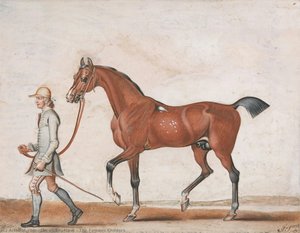
- Equestrian Realism: His ability to portray the physical power and anatomical accuracy of horses, as seen in works like The Famous Childers.
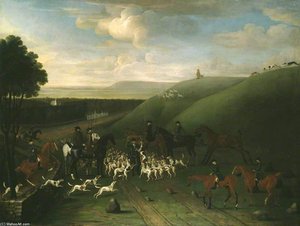
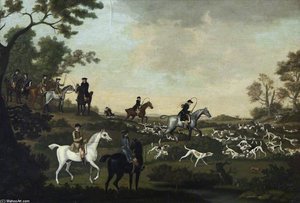
- Genre Scenes: The meticulous rendering of social interactions and hunting parties, exemplified by Hunting Scene No.2, where he captures the textures of fur coats and the nuanced expressions of participants.
- Atmospheric Landscapes: The use of light and weather to evoke the mood of the English landscape, moving from tranquil coastal scenes to verdant woodlands.
Legacy and Historical Significance
Though his life was relatively short, James Seymour’s impact on the development of British sporting art is immeasurable. He was among the first English painters to specialize in the equestrian genre, paving the way for future generations of artists who would document the intersection of animal athleticism and human social hierarchy. His work serves as a vital historical window into the Georgian era, capturing the subtle symbolism of clothing, equestrian equipment, and the choreographed displays of status that defined the age.
The enduring relevance of his talent is perhaps best honored by the James Seymour Stakes, a prestigious horse race held at Newmarket. This tradition ensures that while the man has passed into history, his name remains inextricably linked to the very spirit of the equine excellence he so brilliantly immortalized on canvas. Through his brush, the fleeting moments of 18th-century aristocratic life were transformed into permanent monuments of grace, strength, and motion.
james seymour
1702 - 1752 , United Kingdom
Quick Facts
- Artistic Movement Or Style: Rococo Art
- Date Of Birth: London, United Kingdom (1702)
- Date Of Death: 1752
- Full Name: James Seymour
- Nationality: British
- Notable Artworks:
- Hunting Scene No.2
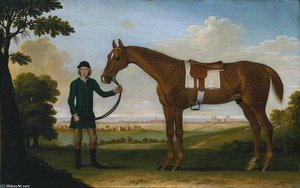
- Chestnut Horse With A Groom Near Newmarket
- Flying Childers, With Jockey Up
- Place Of Birth: London
Related Articles
Whistler's Masterpieces: Explore 25 Iconic Paintings & Aesthetic Art for Your Home
Journey through 25 iconic James Abbott McNeill Whistler paintings! Explore his masterpieces of Aestheticism, from 'Nocturne in Black and Gold' to captivating portraits. Find museum-quality art reproductions & elevate your home decor with ArtsDot.com. Discover the full collection online.

Sir Alfred Munnings' Masterpieces: 25 Paintings That Define Equine Art | ArtsDot
Explore 25 iconic Sir Alfred Munnings paintings! Discover the beauty of British Impressionism, equine art & rural England. Find museum-quality reproductions and elevate your home decor with ArtsDot. Explore the full collection online.

Rococo's Radiant Legacy: 10 Masterpieces for Your Home |
Indulge in the elegance of Rococo! Explore 10 masterpieces by Fragonard, Boucher & Watteau. Discover the stories behind these iconic paintings and bring timeless art to your home with museum-quality reproductions from .

The Rococo Aesthetic: Opulence, Rebellion & the Pursuit of Pleasure in 18th-Century Art
Explore the opulent world of Rococo art! Discover its origins, key artists like Watteau & Boucher, and lasting influence on design. Expert insights for collectors & enthusiasts.
Reflecting Nobility & Nuance: 18th-Century Portraiture as a Window into Societal Values
Explore the world of 18th-century portraiture with ArtsDot. Discover symbolism, artistic innovation & societal values reflected in masterpieces by Reynolds, Hogarth & more. Expert insights for collectors.