

 Preview
 Send
Send Share
Share
 Details

 Download
 Similars
 X-Ray
X-Ray Diaporama
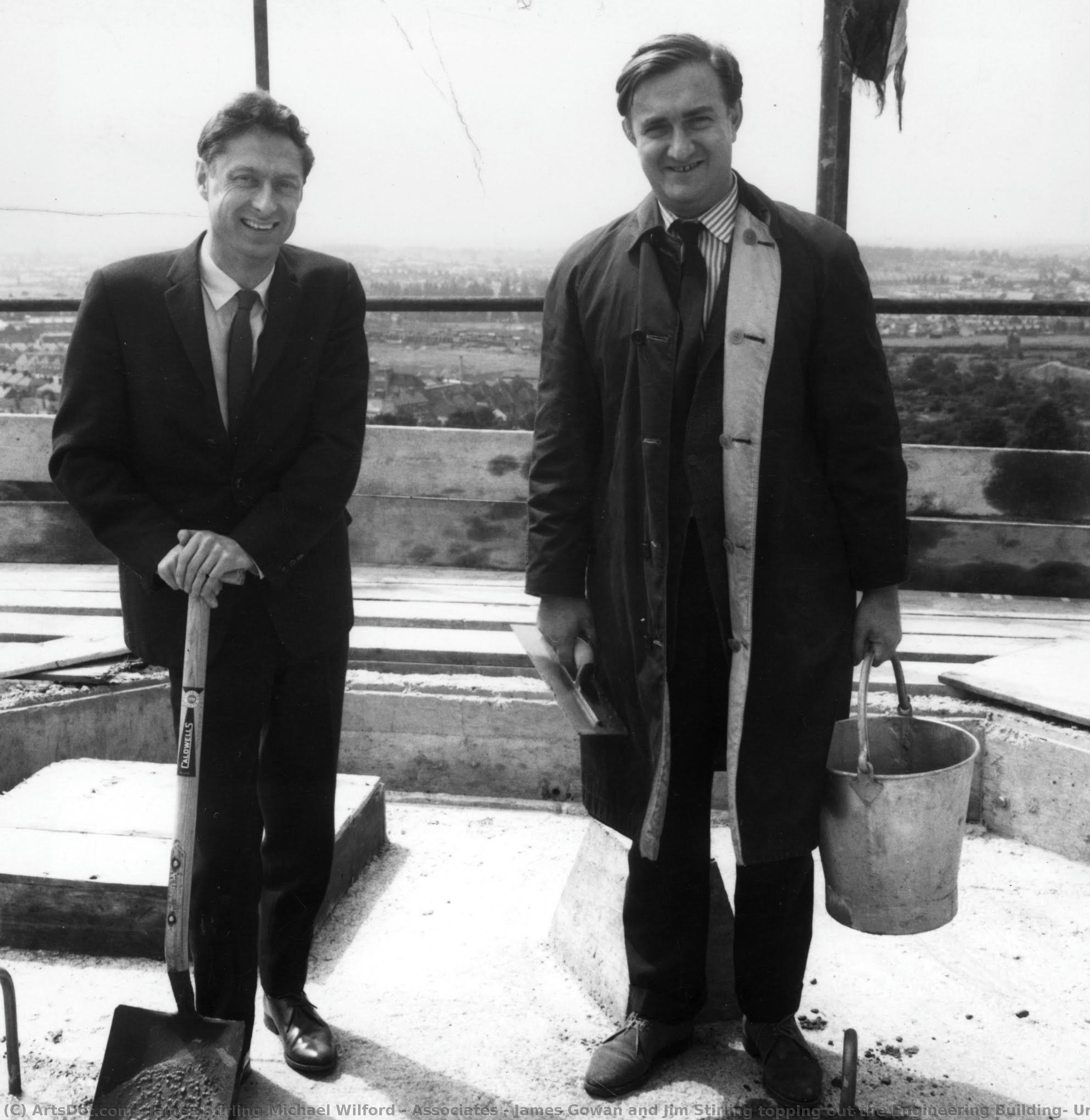
James Gowan and Jim Stirling topping out the Engineering Building, University of Leicester


 Read More
Purchase a high-resolution, enhanced digital image, far superior to the online preview.
Each file is meticulously prepared by our in-house specialists using advanced tools and expert manual retouching. We ensure every image has exceptional clarity, precise color accuracy, and fine detail.
The final file is delivered via email within 72 hours, optimized for immediate use in professional, editorial, and print environments. This is the same quality trusted by top-tier design studios, publishers, and galleries.
Digital Image
Download a high-resolution file for personal display, printing, and creative projects. ( Buy Print Buy Hand Made Painting)
Included in Every Digital Image Order
Expert Digital Delivery, Guaranteed
When you choose ArtsDot.com, you're not just getting an image - you're receiving a professionally enhanced digital artwork, crafted with precision and backed by a satisfaction guarantee. Here's everything that comes with your order, automatically:

Fast Email Delivery
Your high-resolution digital image file will be emailed to you within 72 hours of ordering - ready for immediate use.

AI-Enhanced Digital File
Your artwork is professionally optimized using advanced AI tools and manual editing, ensuring maximum detail, clarity, and color accuracy.

Free Lifetime Re-Delivery
Accidentally deleted or lost your file? No worries - we'll resend it to you anytime, free of charge.

No Import Fees - Ever
Enjoy your artwork instantly with zero customs, duties, or delivery fees - digital downloads are always tax-free.

Color Accuracy Guarantee
We ensure your digital image reflects the original colors as closely as possible using professional tools and color management.

60-Day Satisfaction Guarantee
If you're not satisfied with your digital image, we'll revise it or refund 100% within 60 days - no questions asked.

100% Money-Back Guarantee
Not satisfied? Get a full refund within 60 days of receiving your digital file - no questions asked.

Bulk Order Discounts
Buy 3 images, save 10% - Buy 5, save 15% - Buy 10+, save 20%. Great for creative projects, galleries, and agencies.
A Moment of Triumph: "James Gowan and Jim Stirling topping out the Engineering Building, University of Leicester"
This striking black and white photograph captures a pivotal moment in architectural history – the “topping out” ceremony for the Engineering Building at the University of Leicester, designed by James Stirling Michael Wilford & Associates. Taken in 1963, it offers a rare glimpse into the construction process and celebrates the collaborative spirit behind this groundbreaking project. The image features architects James Gowan and Jim Stirling, seemingly poised on the precipice of completion, embodying both professional accomplishment and a sense of shared victory. The presence of other figures suggests a wider celebration involving builders, engineers, and perhaps university officials, highlighting the collective effort required to realize such an ambitious design.Architectural Context: Pioneering Postmodernism
The Engineering Building at Leicester University holds significant historical weight as one of the earliest examples of postmodern architecture in the United Kingdom. Following decades dominated by modernist principles – characterized by stark functionality and a rejection of ornamentation – Stirling and Gowan’s work represented a deliberate shift. They reintroduced historical references, playful forms, and vibrant colors (though not visible in this black and white photograph), challenging the perceived austerity of modernism. This building marked a turning point, paving the way for a new era in architectural design that embraced complexity, contextuality, and a renewed appreciation for visual richness. The partnership between Stirling and Gowan was short-lived, ending after this project, with Stirling later forming James Stirling Michael Wilford & Associates.Symbolism and Composition
Beyond its historical significance, the photograph itself is rich in symbolism. The hammer held by one of the architects represents the culmination of labor and construction – a tangible symbol of creation. The bucket nearby hints at the practicalities of the building process, grounding the scene in reality. The men's formal attire—ties—suggests an important occasion, elevating the event beyond mere completion to a celebration of achievement. The composition, with the figures silhouetted against the sky and the surrounding cityscape, creates a sense of scale and ambition. The black and white format lends a timeless quality to the image, emphasizing the enduring legacy of the building and the architects' vision.Emotional Impact and Legacy
This photograph evokes a feeling of optimism and progress. It captures a moment of shared pride and accomplishment among those involved in bringing this innovative structure to life. While Stirling’s later career was marked by both acclaim and controversy, this image serves as a reminder of his early promise and the groundbreaking nature of his work with Gowan. Owning a reproduction of this photograph is not just acquiring a piece of architectural history; it's possessing a visual document that embodies a pivotal moment in design thinking and celebrates the human ingenuity behind shaping our built environment. It’s an ideal addition for architecture enthusiasts, collectors interested in postmodernism, or anyone seeking to infuse their space with a sense of intellectual curiosity and historical significance.Related Artworks


Artist Biography
James Stirling Michael Wilford & Associates: A Legacy of Postmodern Architecture
Early Life and Formation
- James Stirling was born in Glasgow, United Kingdom, in 1926. He studied architecture at the University of Liverpool and later at the Architectural Association School of Architecture in London.
- He initially worked for various architectural practices before forming a partnership with Michael Wilford in 1958. This collaboration proved pivotal to their future success.
- The firm, formally established as James Stirling Michael Wilford & Associates in 1971, quickly gained recognition for its innovative and often unconventional designs.
Artistic Development and Influences
- Stirling and Wilford’s early work demonstrated a rejection of the prevailing modernist orthodoxy. They sought to create buildings that were more responsive to their context, both historical and social.
- Influences included the writings of architectural historians like Reyner Banham, as well as a fascination with vernacular architecture and the playful use of form and color found in earlier periods.
- They were also inspired by the work of architects such as Robert Venturi and Denise Scott Brown, pioneers of postmodernism who challenged the dogmas of modernism.
Major Works and Achievements
- Neue Staatsgalerie (Stuttgart, Germany): Completed in 1984, this museum is considered one of their masterpieces. It boldly combines classical elements with modern materials and a playful arrangement of volumes.
- Sackler Gallery (Washington D.C., USA): This extension to the Smithsonian Institution showcases their ability to sensitively integrate new structures into existing historical contexts.
- Number 1 Poultry (London, UK): Awarded the RIBA Stirling Prize in 1996 (posthumously for Stirling), this building is a landmark example of postmodern urban design. Its colorful facade and distinctive form revitalized a neglected area of the City of London.
- Other notable projects include the Wissenschaftszentrum Berlin, the Arthur M. Sackler Museum at Harvard University, and various university buildings in Germany and the UK.
Historical Significance and Legacy
- James Stirling Michael Wilford & Associates played a crucial role in shaping the development of postmodern architecture. Their work challenged conventional notions of architectural form and function, embracing complexity, ambiguity, and historical reference.
- James Stirling was awarded the prestigious Pritzker Architecture Prize in 1981, recognizing his significant contribution to the field.
- The firm’s designs continue to inspire architects today, demonstrating the enduring power of their innovative and thought-provoking approach. Their buildings are celebrated for their intellectual rigor, visual dynamism, and ability to create engaging public spaces.
- Following Stirling's death in 1992, Michael Wilford continued to lead the firm until his retirement in 2005, ensuring the continuation of their distinctive architectural vision.
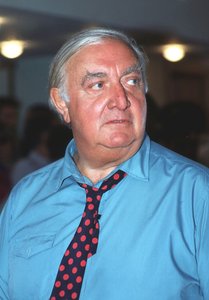
james stirling michael wilford & associates
1926 - 1992 , United Kingdom
Quick Facts
- Birth Date: 1926
- Birth Place: Glasgow, United Kingdom
- Death Date: 1992
- Movement: Postmodern Architecture
- Name: James Stirling Michael Wilford & Associates
- Nationality: British
- Notable Works:
- Neue Staatsgalerie
- Sackler Gallery
- Number 1 Poultry

