 Preview
 Send
Send Share
Share
 Details

 Download
 Similars
 X-Ray
X-Ray Diaporama
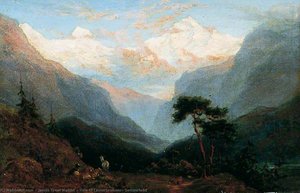
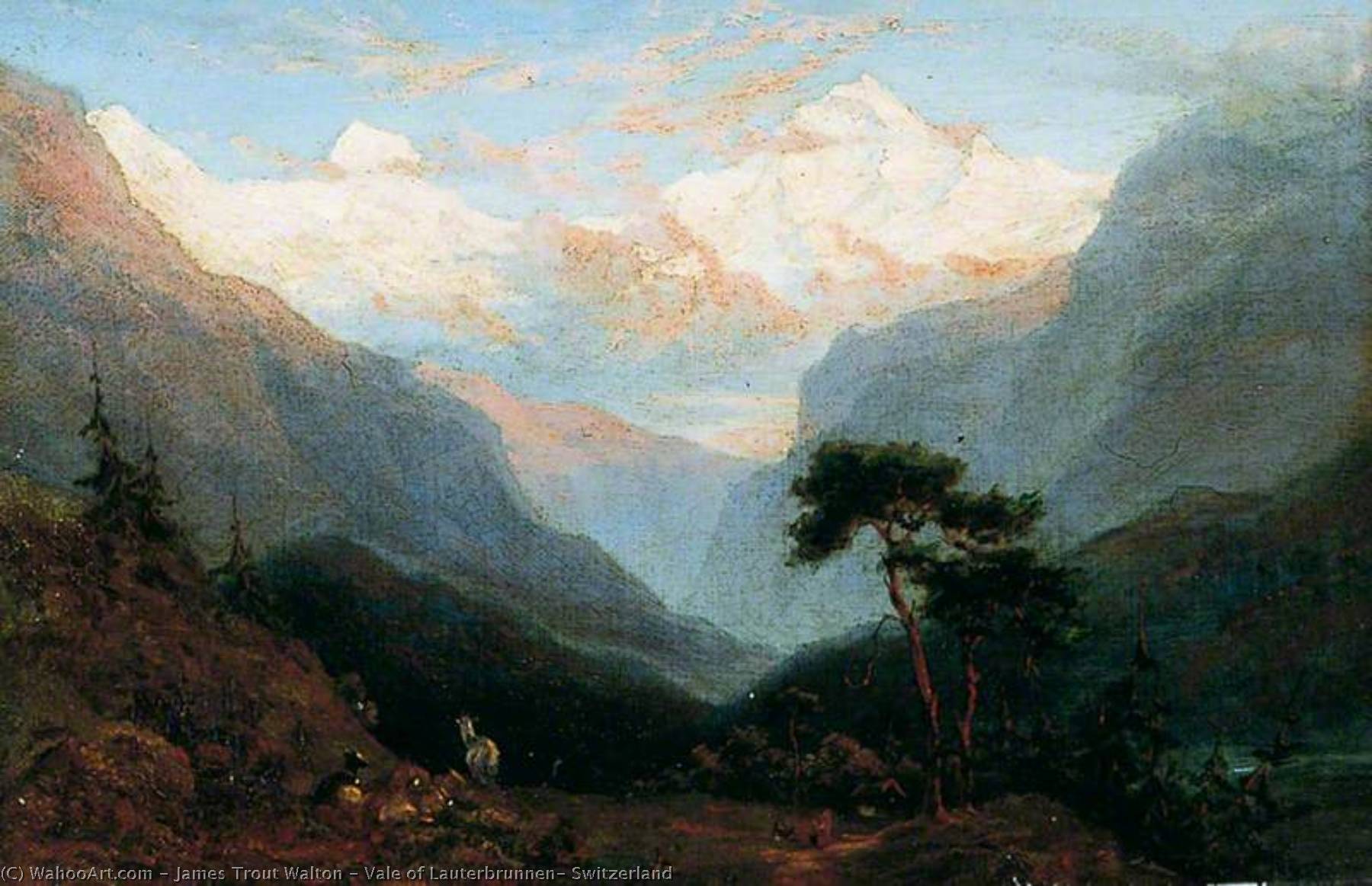
Vale of Lauterbrunnen, Switzerland
 20.0 x 31.0 cm
 Read More
Giclée / Art Print
Museum-quality giclée or canvas print with fast production and flexible finish options. ( Buy Hand Made Painting Buy Image)




































Pick from our preset sizes that match the artwork's original proportions.

You may enter your own dimensions to fit a specific frame or space. If your selected size does not match the original image's proportions, we will either crop the artwork or extend the image with a mirrored or solid-fill edge. A digital mockup will be sent for your approval before production begins.
Please note that the on-screen preview does not reflect the actual cropping or extension. Only the mockup will accurately show the final composition.
While custom sizes are available, we recommend selecting a dimension from the predefined list to preserve the original proportions.
Worldwide Delivery () in 2 weeks instead of standard 4/5 weeks. (1 September)

Free Worldwide Express Shipping

High-Quality Linen Canvas

Full Shipping Insurance

Customs Tax Refund Guarantee

True Color Matching Guarantee

60-Day Return Policy (Defects Only)

100% Money-Back Guarantee

Bulk Discount Offer
 Glass option is only available in size under 110 CM

Vale of Lauterbrunnen, Switzerland
Giclée / Art Print
Reproduction Size
-


Total Price
$ 63
Related Artworks










Artist Biography
The Ethereal Landscapes of James Trout Walton
In the grand tapestry of nineteenth-century landscape painting, few artists captured the transient beauty of the natural world with as much delicate precision as James Trout Walton. Emerging during the height of the Romantic era, Walton possessed a rare ability to translate the monumental scale of the Alps and the rugged charm of the Scottish Highlands into intimate, luminous compositions. His life and work serve as a window into a period when artists sought not merely to document topography, but to evoke the very soul of the wilderness through the interplay of light, mist, and shadow.
Born in the vibrant artistic atmosphere of Edinburgh, Scotland, Walton’s early sensibilities were deeply shaped by the aesthetic revolutions occurring across Europe. He was a student of the atmospheric ideals championed by masters such as Turner and Constable, whose influence is evident in his preoccupation with the ephemeral qualities of weather and light. Rather than focusing on rigid, photographic accuracy, Walton embraced the Romantic pursuit of capturing the "sublime"—that overwhelming sense of awe and even slight terror inspired by the vastness of nature. This fascination was further enriched by his exposure to Scottish folklore, which infused his landscapes with a subtle, narrative depth, suggesting that every glen and mountain peak held its own ancient story.
Mastery of Light and Medium
While Walton was capable of working in oil to create rich, evocative scenes like The Swiss Chalet, it is within the realm of watercolor that his true technical genius flourished. He approached the medium with a sophisticated understanding of its inherent translucency, utilizing delicate washes to build layers of color that seemed to glow from within. Through the meticulous application of glazing—layering thin, transparent veils of pigment—he achieved a remarkable sense of depth and atmospheric perspective. This technique allowed him to render the heavy, moisture-laden mists of Scotland and the crisp, crystalline air of the Swiss peaks with equal mastery.
His brushwork often balanced fine detail with broad, expressive strokes, creating a tension between the tangible reality of a rocky outcrop and the intangible movement of a passing cloud. In his most celebrated works, such as his depictions of the Matterhorn or the Vale of Lauterbrunnen, one can observe a profound command over tonal subtlety. He used light not merely as an illumination, but as a structural element, guiding the viewer's eye through panoramic vistas where golden sunlight pierces through azure skies to touch the verdant valleys below.
A Legacy of Alpine and Highland Serenity
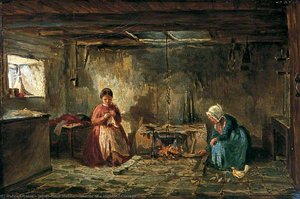
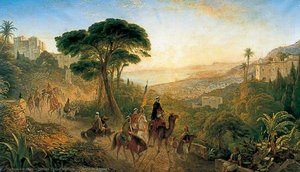
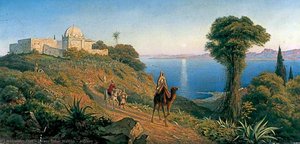
The breadth of Walton’s travels significantly expanded his artistic vocabulary. His excursions to Algeria provided him with a warmer, more vibrant palette, allowing him to explore the stark contrasts of North African light, which stood in beautiful opposition to his more somber, misty Scottish scenes. This versatility ensured that his oeuvre remained dynamic, ranging from the sun-drenched streets of Algiers to the quiet, introspective interiors of a Highland cottage.
Though his life was relatively brief, ending in 1905, the historical significance of James Trout Walton lies in his role as a bridge between topographical recording and emotional expression. He remains a vital figure for collectors and historians alike, representing a pinnacle of Victorian landscape artistry. His paintings continue to resonate because they do more than show us a place; they invite us to feel the stillness of a mountain morning and the enduring majesty of the earth's most breathtaking landscapes.
Quick Facts
- Artistic Movement Or Style: Romantic Landscape
- Artists Or Movements Influenced By This Artist: ['']
- Artists Who Influenced This Artist: ['']
- Date Of Birth: Living
- Full Name: James Trout Walton
- Notable Artworks:
- Scottish Landscapes
- Swiss Alpine Views