 Preview
 Send
Send Share
Share
 Details

 Download
 Similars
 X-Ray
X-Ray Diaporama
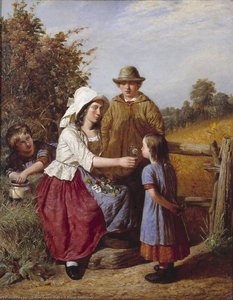
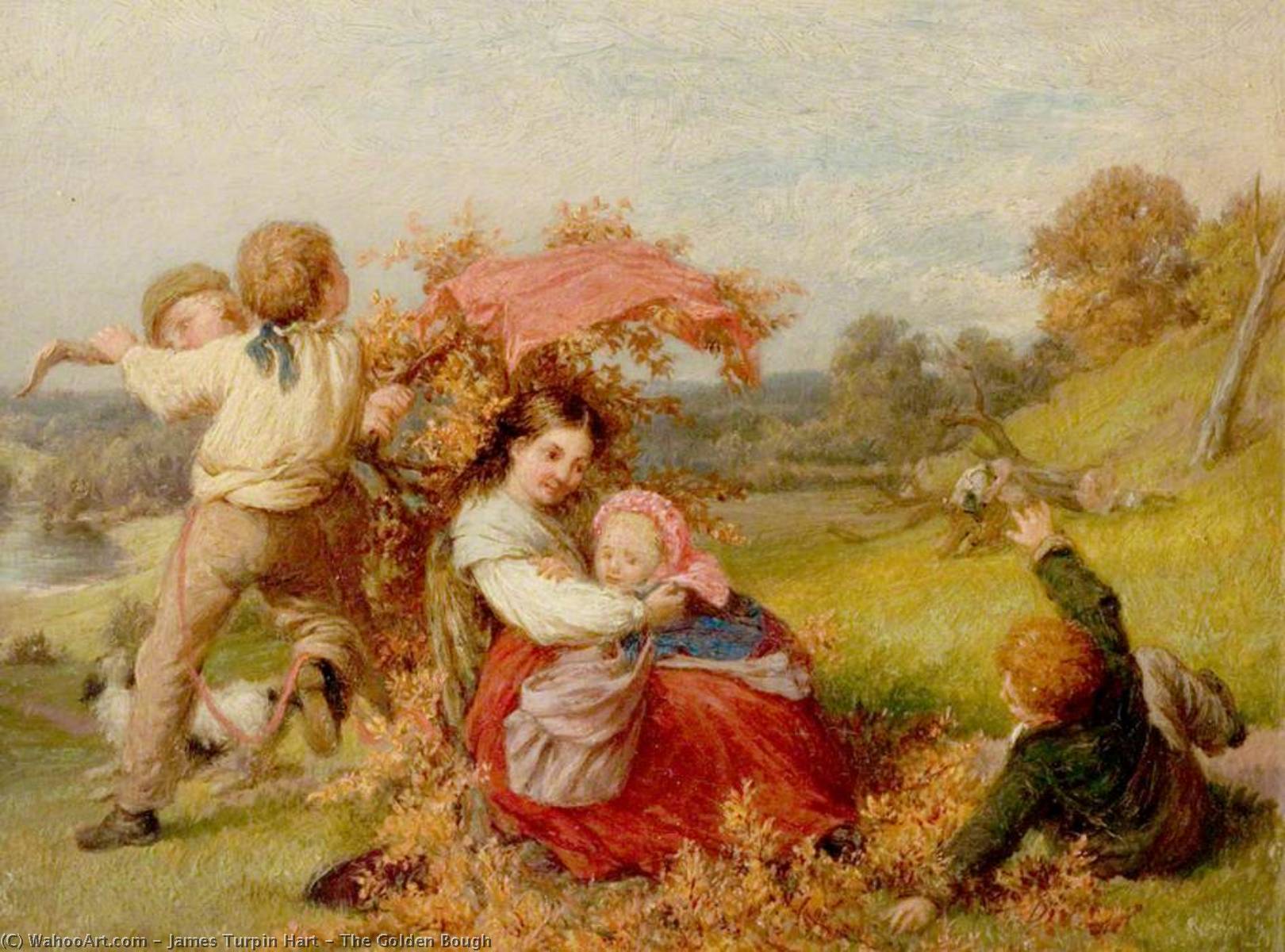
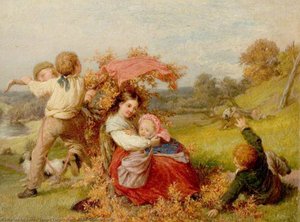
The Golden Bough
 1866
1866 15.0 x 20.0 cm
 Nottingham Castle Museum And Art Gallery
 Read More
Hand Made Oil Reproduction
Hand-painted oil on canvas in your size and frame, made to order by our artists. ( Buy Print Buy Image)




































Pick from our preset sizes that match the artwork's original proportions.

You may enter your own dimensions to fit a specific frame or space. If your selected size does not match the original image's proportions, we will either crop the artwork or extend the painting with additional hand-painted elements. A digital mockup will be sent for your approval before production begins.
Please note that the on-screen preview does not reflect the actual cropping or extension. Only the mockup will accurately show the final composition.
While custom sizes are available, we recommend selecting a dimension from the predefined list to preserve the original proportions.
After order, ArtsDot.com team will email client for instructions and provide a mockup preview
Worldwide Delivery () in 3/4 weeks instead of standard 5 weeks. (24 August). No compromise on quality.

Free Worldwide Express Shipping

High-Quality Linen Canvas

Full Shipping Insurance

Customs Tax Refund Guarantee

True Color Matching Guarantee

60-Day Return Policy (Defects Only)

100% Money-Back Guarantee

Bulk Discount Offer
 Glass option is only available in size under 110 CM

The Golden Bough
Reproduction Medium
Reproduction Size
-


Total Price
$ 263
Artwork Description
Composition and Style
The painting depicts a family of four standing in a lush outdoor setting, surrounded by trees and birds. The scene exudes a sense of serenity and togetherness, as the family gathers under a tree branch. The use of oil on canvas gives the piece a rich and vibrant appearance, with bold brushstrokes and vivid colors. Light and shadow are expertly used to create depth and dimension in the painting.Similar Works and Artists
James Turpin Hart's style is reminiscent of other notable artists, such as Joseph Highmore, who created The Family Of E. Lancelot Lee. Another example is Johannes Mytens, who painted The Family of Willem Van Der Does. These works share similar themes and elements, such as family, nature, and the use of oil on canvas.- Daniel Gardner's The Family Of Sir John Taylor is another notable example of a family portrait in oil on canvas.
- Arthur John Elsley's First Steps showcases the artist's ability to capture intimate moments between family members.
The The Golden Bough is a beautiful example of James Turpin Hart's skill as an artist. With its rich colors and serene atmosphere, it is a piece that continues to captivate audiences today. For more information on James Turpin Hart and his works, visit https://ArtsDot.com/@/James-Turpin-Hart.
Related Artworks




Artist Biography
The Ethereal Legacy of James Turpin Hart
Born in the historic heart of Edinburgh in 1835, James Turpin Hart was a painter whose very existence seemed woven into the artistic fabric of Scotland. He did not merely stumble upon his vocation; rather, he inherited a profound creative lineage. As the son of a distinguished architect and sculptor, Hart’s early years were steeped in an environment where form, structure, and color were the primary languages of expression. This foundational upbringing instilled in him a deep reverence for the physical world, a quality that would later manifest in his ability to render the rugged textures of the Scottish Highlands with both precision and poetic grace. Even as he faced the personal trials of debilitating rheumatoid arthritis, Hart’s spirit remained unyielding, driven by an inexorable need to translate the majesty of the natural world onto canvas.
The evolution of Hart’s style is a journey from meticulous observation to atmospheric romanticism. His early training under the Scottish portraitist William Cruikshank provided him with a rigorous command of detail and human likeness, yet it was his pilgrimage to Paris between 1860 and 1865 that truly transformed his artistic soul. Immersed in the burgeoning energy of the Impressionist movement, Hart encountered the revolutionary techniques of masters such as Claude Monet and Frédéric Bazille. This exposure encouraged him to move beyond the rigid boundaries of traditional realism, inviting a looser, more fluid brushstroke that sought to capture not just the landscape, and its physical presence, but the very essence of light and the fleeting passage of time.
A Symphony of Light and Highland Solitude
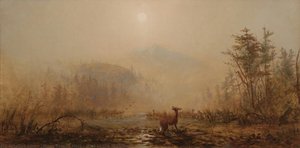
Hart’s mature work is defined by a masterful command of atmospheric perspective, a technique through which he utilized subtle gradations of color to pull the viewer into vast, receding vistas. His landscapes are rarely mere depictions of geography; they are emotional landscapes designed to evoke a sense of profound solitude and quiet contemplation. He possessed a singular talent for observing natural phenomena, most notably the aurora borealis. To witness a Hart painting is to see the Northern Lights translated through a palette of muted, elegant tones—deep greens, soft blues, and earthy browns—that mirror the subdued beauty of the Scottish wilderness.
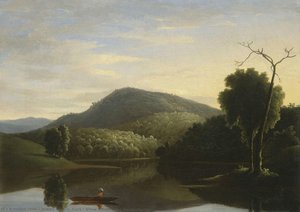
His compositions often balance the grandeur of nature with intimate moments of serenity. In works such as The Golden Bough, he demonstrates an ability to weave human interaction into the lush tapestry of the outdoors, creating scenes that exude togetherness and peace. Whether he was capturing the expansive, misty reaches of The Heather Moor or the tranquil river scenes found in View Among the Helderbergs, Hart’s work consistently sought to find the divine within the natural. His ability to manipulate light and shadow allowed him to create a sense of dimension that made his canvases feel like windows into another realm—a realm where the air is thick with mist and the heavens are alive with celestial movement.
Historical Significance and Artistic Endurance
The significance of James Turpin Hart lies in his role as a bridge between the structured traditions of 19th-century Scottish art and the emotive, light-driven explorations of the Impressionist era. He took the classical foundations of his heritage and infused them with a Romantic sensibility that resonated with the Victorian fascination with nature and the sublime. His legacy is found in the way he captured the ephemeral—the way a mist clings to a glen or how light dances across a mountain peak—making the temporary feel eternal.
Today, Hart’s works remain cherished for their ability to transport the observer to a time of quiet majesty. His contributions to the landscape genre serve as a testament to the power of perseverance and the enduring beauty of the natural world. Through his eyes, we continue to experience:
- The grandeur of the Scottish Highlands through a lens of romanticized realism.
- The delicate interplay of light and atmosphere that defines the Impressionist influence.
- A profound sense of peace achieved through the mastery of muted, naturalistic palettes.
james turpin hart
1835 - 1899
Quick Facts
- Artistic Movement Or Style: Romantic Landscape
- Artists Or Movements Influenced By This Artist: ['Hudson River School']
- Artists Who Influenced This Artist:
- William Turner
- John Constable
- Date Of Birth: 1835
- Date Of Death: 1899
- Full Name: James Turpin Hart
- Nationality: Scottish
- Notable Artworks:
- View Among the Helderbergs
- Aurora
- Place Of Birth: Glasgow, Scotland