

 Send
Send Share
Share
 Details

 Download
 Similars
 Diaporama
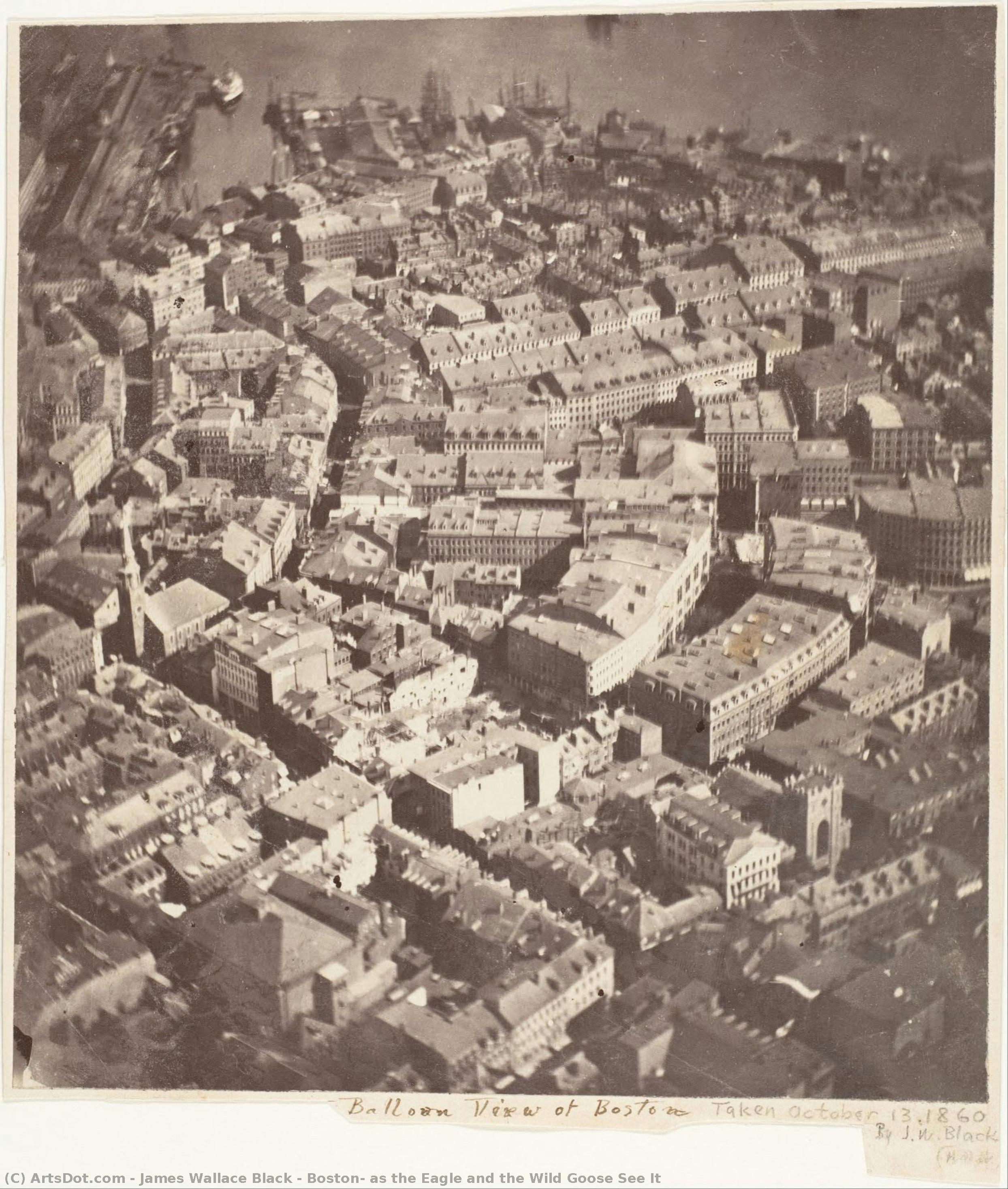
Boston, as the Eagle and the Wild Goose See It
 Black and White Photography
- Photo
 1860
1860- 19th Century
 18.0 x 16.0 cm
 Metropolitan Museum of Art
 Read More
Purchase a high-resolution, enhanced digital image, far superior to the online preview.
Each file is meticulously prepared by our in-house specialists using advanced tools and expert manual retouching. We ensure every image has exceptional clarity, precise color accuracy, and fine detail.
The final file is delivered via email within 72 hours, optimized for immediate use in professional, editorial, and print environments. This is the same quality trusted by top-tier design studios, publishers, and galleries.
Digital Image
Download a high-resolution file for personal display, printing, and creative projects. ( Buy Print Buy Hand Made Painting)
Included in Every Digital Image Order
Expert Digital Delivery, Guaranteed
When you choose ArtsDot.com, you're not just getting an image - you're receiving a professionally enhanced digital artwork, crafted with precision and backed by a satisfaction guarantee. Here's everything that comes with your order, automatically:

Fast Email Delivery
Your high-resolution digital image file will be emailed to you within 72 hours of ordering - ready for immediate use.

AI-Enhanced Digital File
Your artwork is professionally optimized using advanced AI tools and manual editing, ensuring maximum detail, clarity, and color accuracy.

Free Lifetime Re-Delivery
Accidentally deleted or lost your file? No worries - we'll resend it to you anytime, free of charge.

No Import Fees - Ever
Enjoy your artwork instantly with zero customs, duties, or delivery fees - digital downloads are always tax-free.

Color Accuracy Guarantee
We ensure your digital image reflects the original colors as closely as possible using professional tools and color management.

60-Day Satisfaction Guarantee
If you're not satisfied with your digital image, we'll revise it or refund 100% within 60 days - no questions asked.

100% Money-Back Guarantee
Not satisfied? Get a full refund within 60 days of receiving your digital file - no questions asked.

Bulk Order Discounts
Buy 3 images, save 10% - Buy 5, save 15% - Buy 10+, save 20%. Great for creative projects, galleries, and agencies.
Collectible Description
A Bird's Eye View of Progress: Boston in 1860
To gaze upon this remarkable image is to be instantly transported across the veil of time, lifted above the bustling arteries of mid-nineteenth-century Boston. This photograph, titled "Boston, as the Eagle and the Wild Goose See It," is far more than a mere record of architecture; it is a captured moment of ambition, progress, and the burgeoning spirit of an industrial age. Taken in 1860, when America stood at the precipice of profound change, this view offers an unparalleled perspective—literally, from the vantage point of two soaring birds.
The composition itself is breathtakingly unique. The viewer does not observe the city from a stable platform, but rather through the dynamic sweep of aerial vision. Below, the dense tapestry of buildings rises in varying heights, their forms speaking silently of commerce and burgeoning civic life. Interspersed among these stone and brick giants, the water below catches the light, hinting at the vital maritime trade that fueled this great American metropolis. The inclusion of a boat adds a crucial element of narrative depth, suggesting movement, journey, and the ceaseless flow of life within the urban sprawl.
The Pioneer Lens: James Wallace Black's Vision
This piece is inextricably linked to the genius of its creator, James Wallace Black. As a pioneer of American photography, Black was not merely documenting; he was innovating. His career spanned the nascent, volatile years of photographic science, moving from the delicate work of daguerreotypes to capturing grand, sweeping vistas. The very act of creating this photograph speaks to the technological marvel of its time—the pioneering use of aerial perspective in art. It places Black within a lineage of visionaries who sought to redefine what could be seen and recorded, forever altering the relationship between the artist, the subject, and the observer.
For the collector or designer, understanding this context elevates the piece from decoration to historical artifact. It represents an early triumph in photographic documentation, showcasing a mastery of composition achieved through groundbreaking means.
Symbolism of Height and Perspective
The symbolism inherent in "Boston, as the Eagle and the Wild Goose See It" is rich for contemplation. The elevated viewpoint itself suggests enlightenment—the ability to see the whole picture, to grasp the macrocosm from a detached, superior vantage point. The contrast between the towering structures and the open expanse of water speaks to the human condition: the tension between rigid ambition (the buildings) and the fluid nature of life or commerce (the harbor). Furthermore, the very act of viewing the city through avian eyes imbues the scene with a sense of freedom and overview, inviting the viewer to contemplate their own place within the grand sweep of history.
It is an invitation to pause amidst the clutter of modern life and recall that every great achievement rests upon foundations laid by those who dared to look up and see further than before.
A Touch of Vintage Grandeur for Modern Spaces
Reproducing this image allows contemporary interiors to absorb a patina of authentic, nineteenth-century grandeur. Whether placed in a study, a grand hall, or an art-focused living space, the print acts as a sophisticated conversation starter. Its monochromatic palette lends itself to timeless elegance, pairing beautifully with both richly colored textiles and minimalist modern furnishings. Owning this reproduction is not just acquiring artwork; it is curating a narrative of American industrial ascent, framed by the delicate artistry of early photographic exploration.
Related Artworks
Artist Biography
James Wallace Black: A Pioneer of American Photography
Early Life and Career Beginnings
- Born: February 10, 1825, in Francestown, New Hampshire.
- James Wallace Black began his career as a daguerreotype plate polisher, gaining foundational skills in the early photographic process.
- He soon collaborated with John Adams Whipple, a prolific Boston photographer and inventor, further honing his technical expertise.
Innovation and Experimentation
- Pioneering Portraits: Black quickly established himself as a skilled portrait photographer, capturing the likenesses of prominent figures of his time.
- John Brown (1859): His photograph of abolitionist John Brown is particularly significant, offering a powerful visual record of a key figure in American history.
- Walt Whitman (1860): Black also created a renowned portrait of poet Walt Whitman, capturing the author’s distinctive persona.
Aerial Photography Breakthrough
- First Aerial Photographs: In 1860, in collaboration with balloonist Samuel Archer King, Black achieved a landmark feat: the first successful aerial photographs taken in the United States.
- “Boston, as the Eagle and the Wild Goose See It”: This groundbreaking image provided an unprecedented perspective of Boston from above, revolutionizing visual representation of urban landscapes.
The Lantern Slide Legacy
- Master of the Magic Lantern: Black later became a leading authority on the use of the magic lantern (an early form of projector).
- His business shifted towards producing lantern slides, creating visual materials for educational and entertainment purposes.
- He was instrumental in popularizing this technology and expanding its reach to wider audiences.
Artistic Development & Influences
- Influences: Black’s work reflects the artistic sensibilities of the mid-19th century, influenced by Romanticism and a growing interest in scientific observation.
- His technical skill was undoubtedly shaped by his collaboration with John Adams Whipple and the broader advancements in photographic technology during that era.
- Artistic Style: Black’s portraits are characterized by their clarity, detail, and psychological depth, while his aerial views demonstrate a keen eye for composition and perspective.
Major Achievements & Historical Significance
- Pioneering Aerial Photography: Black’s aerial photographs were revolutionary, offering a new way to visualize the world.
- Documenting Key Figures: His portraits of John Brown and Walt Whitman are invaluable historical documents.
- Advancing Photographic Technology: Through his experimentation and expertise in lantern slides, Black contributed significantly to the development and popularization of photographic technology.
Later Life & Death
- James Wallace Black passed away on January 5, 1896, and was buried at Mount Auburn Cemetery in Cambridge, Massachusetts.
- Legacy: His work continues to be studied and appreciated for its historical significance and artistic merit. Examples of his photographs can be found in institutions like the Boston Athenaeum, the Boston Public Library, and the Metropolitan Museum of Art.
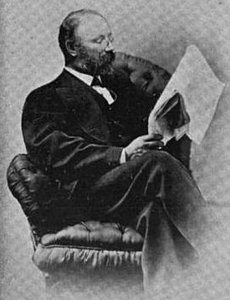
james wallace black
1825 - 1896 , United States of America
Quick Facts
- Birth Date: February 10, 1825
- Birth Place: Francestown, New Hampshire, United States
- Death Date: January 5, 1896
- Movement: Early Photography
- Name: James Wallace Black
- Nationality: American
- Notable Works:
- Boston, as the Eagle and the Wild Goose See It
- Portrait of John Brown
- Portrait of Walt Whitman

