 Preview
 Send
Send Share
Share
 Details

 Download
 Similars
 X-Ray
X-Ray Diaporama
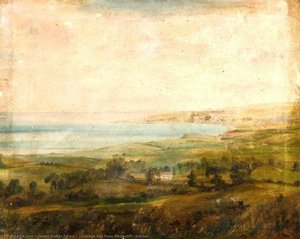
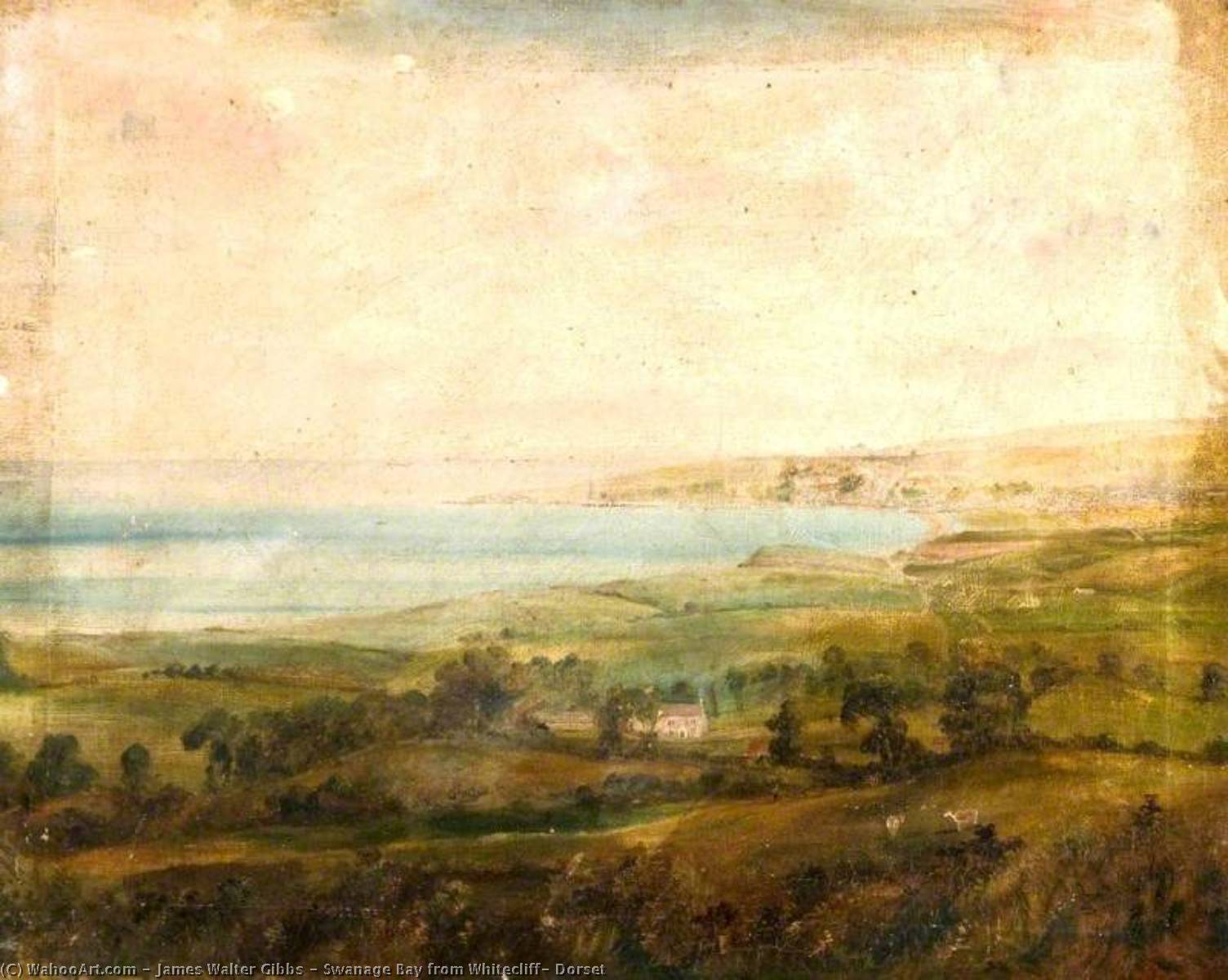
Swanage Bay from Whitecliff, Dorset
 1890
1890 58.0 x 75.0 cm
 Read More
Giclée / Art Print
Museum-quality giclée or canvas print with fast production and flexible finish options. ( Buy Hand Made Painting Buy Image)




































Pick from our preset sizes that match the artwork's original proportions.

You may enter your own dimensions to fit a specific frame or space. If your selected size does not match the original image's proportions, we will either crop the artwork or extend the image with a mirrored or solid-fill edge. A digital mockup will be sent for your approval before production begins.
Please note that the on-screen preview does not reflect the actual cropping or extension. Only the mockup will accurately show the final composition.
While custom sizes are available, we recommend selecting a dimension from the predefined list to preserve the original proportions.
Worldwide Delivery () in 2 weeks instead of standard 4/5 weeks. (20 August)

Free Worldwide Express Shipping

High-Quality Linen Canvas

Full Shipping Insurance

Customs Tax Refund Guarantee

True Color Matching Guarantee

60-Day Return Policy (Defects Only)

100% Money-Back Guarantee

Bulk Discount Offer
 Glass option is only available in size under 110 CM

Swanage Bay from Whitecliff, Dorset
Giclée / Art Print
Reproduction Size
-


Total Price
$ 63
Related Artworks

Artist Biography
The Dorset Light: James Walter Gibbs and the Poetic of Coastal Life
James Walter Gibbs (dates of birth and death currently unavailable, but active circa 1870-early 20th century) remains a captivating figure in British landscape painting, though not widely celebrated. His work offers a poignant glimpse into the Victorian appreciation for coastal scenes, specifically those surrounding Swanage and the wider Dorset coastline. Gibbs wasn’t a painter of dramatic seascapes or heroic maritime events; instead, he focused on the quiet beauty of everyday life by the sea – fishing boats gently bobbing in harbors, children playing on sandy beaches, and the subtle shifts of light across cliffs and water. This dedication to the ordinary elevates his paintings beyond mere topographical records into evocative meditations on time, place, and the enduring connection between humanity and nature.Early Life and Artistic Development
Information regarding Gibbs’s formal artistic training is scarce. It's believed he was largely self-taught or received instruction from local artists working in Dorset during the mid-19th century. This lack of extensive academic grounding perhaps contributed to his distinctive, unpretentious style. His early works demonstrate a keen observational skill and a developing mastery of watercolor techniques. He quickly established himself as a painter of local views, catering to the growing tourist market that flocked to Swanage with the advent of improved transportation links. However, Gibbs’s art transcends simple commercial appeal; even in his earliest pieces, there's a sensitivity to atmosphere and a genuine affection for the Dorset landscape that sets him apart. He wasn’t merely *depicting* Swanage, he was capturing its essence – the smell of salt air, the sound of waves, the warmth of the sun on stone.Themes and Techniques: A Palette of Tranquility
Gibbs's oeuvre is characterized by a consistent focus on coastal life in Dorset. His paintings frequently feature Swanage Bay as their central subject, but he also explored other nearby locations, including Durlston Bay and Studland. Common motifs include fishing boats – often rendered with meticulous detail – sailing vessels, the bustling activity of the harbor, and figures engaged in leisurely pursuits along the shore. His technique is notable for its delicate watercolor washes, soft brushwork, and a restrained palette dominated by blues, greens, grays, and ochres. He skillfully employed light to create a sense of depth and atmosphere, often depicting scenes bathed in the golden glow of sunrise or sunset. Gibbs’s paintings are not about grand gestures; they're about subtle nuances – the play of light on water, the texture of weathered wood, the fleeting expressions of figures. This emphasis on tranquility and atmospheric effect aligns him with the broader traditions of British Impressionism and the plein-air movement.Influences and Artistic Context
While Gibbs developed a unique style, his work reflects the influence of several contemporary artists. The paintings of J.M.W. Turner, particularly his later seascapes, likely informed Gibbs’s understanding of light and atmosphere. He also shows an affinity for the works of the Barbizon school painters, known for their realistic depictions of rural life and landscapes. However, Gibbs's art is less concerned with dramatic effects or social commentary than that of his predecessors.- He was more interested in capturing the beauty of a specific place – Dorset – and conveying a sense of peace and harmony.
- The rise of tourism in Victorian England created a demand for paintings depicting popular seaside resorts like Swanage, providing Gibbs with a ready market for his work.
- His art also reflects the broader cultural fascination with coastal life during this period, fueled by romantic literature and travel writing.
Legacy and Historical Significance
Although not a household name, James Walter Gibbs occupies an important niche in the history of British landscape painting. His paintings offer valuable insights into Victorian life and the changing relationship between people and the natural world. His meticulous depictions of Swanage provide a visual record of the town during a period of significant growth and development. More importantly, his art transcends mere documentation; it captures the *feeling* of being in Dorset – the sense of tranquility, the beauty of the landscape, and the enduring connection between humanity and the sea. As interest in regional artists and overlooked figures grows, Gibbs’s work is receiving renewed attention, allowing a wider audience to appreciate his poetic vision and subtle mastery of watercolor painting. His paintings serve as a reminder that even the most ordinary scenes can be imbued with beauty and meaning when viewed through the eyes of a sensitive and skilled artist.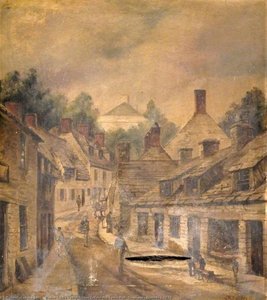
Quick Facts
- Artistic Movement Or Style: Luminism
- Artists Or Movements Influenced By This Artist: ['James Carroll Beckwith']
- Artists Who Influenced This Artist: ['Walter Sickert']
- Date Of Death: Living
- Full Name: James Walter Gibbs
- Nationality: British
- Notable Artworks: ['Swanage Bay from Whitecliff']
- Place Of Birth: Doylestown, Pennsylvania