

 Preview
 Send
Send Share
Share
 Details

 Download
 Similars
 X-Ray
X-Ray Diaporama
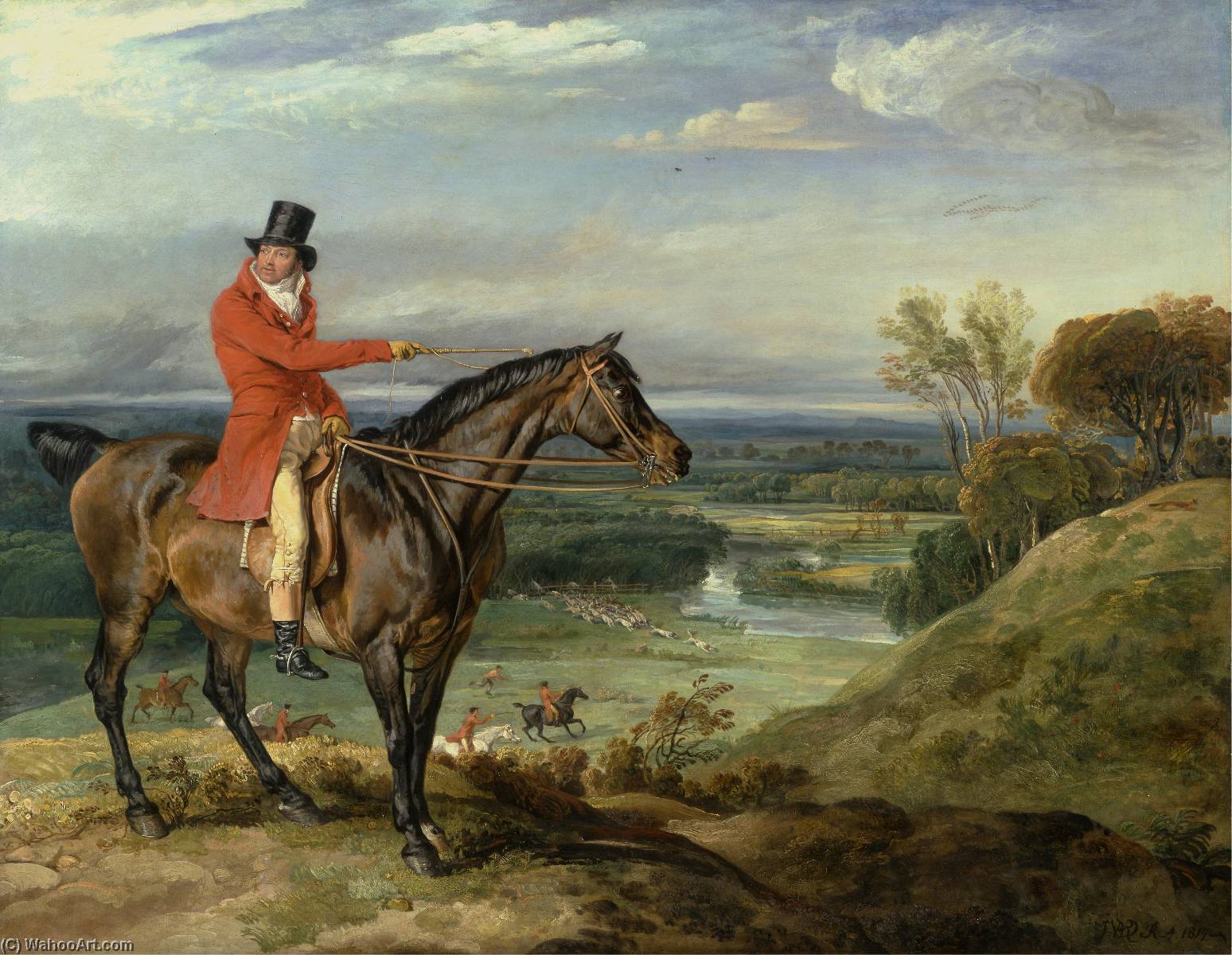
John Levett Hunting at Wychnor, Staffordshire alternate title Theophilus Levett and a Favorite Hunter)
 Acrylic On Canvas
- WallArt
- Romantic Landscape
 1818
1818 117.0 x 145.0 cm
 Yale Center for British Art
 Read More
Purchase a high-resolution, enhanced digital image, far superior to the online preview.
Each file is meticulously prepared by our in-house specialists using advanced tools and expert manual retouching. We ensure every image has exceptional clarity, precise color accuracy, and fine detail.
The final file is delivered via email within 72 hours, optimized for immediate use in professional, editorial, and print environments. This is the same quality trusted by top-tier design studios, publishers, and galleries.
Digital Image
Download a high-resolution file for personal display, printing, and creative projects. ( Buy Print Buy Hand Made Painting)
Included in Every Digital Image Order
Expert Digital Delivery, Guaranteed
When you choose ArtsDot.com, you're not just getting an image - you're receiving a professionally enhanced digital artwork, crafted with precision and backed by a satisfaction guarantee. Here's everything that comes with your order, automatically:

Fast Email Delivery
Your high-resolution digital image file will be emailed to you within 72 hours of ordering - ready for immediate use.

AI-Enhanced Digital File
Your artwork is professionally optimized using advanced AI tools and manual editing, ensuring maximum detail, clarity, and color accuracy.

Free Lifetime Re-Delivery
Accidentally deleted or lost your file? No worries - we'll resend it to you anytime, free of charge.

No Import Fees - Ever
Enjoy your artwork instantly with zero customs, duties, or delivery fees - digital downloads are always tax-free.

Color Accuracy Guarantee
We ensure your digital image reflects the original colors as closely as possible using professional tools and color management.

60-Day Satisfaction Guarantee
If you're not satisfied with your digital image, we'll revise it or refund 100% within 60 days - no questions asked.

100% Money-Back Guarantee
Not satisfied? Get a full refund within 60 days of receiving your digital file - no questions asked.

Bulk Order Discounts
Buy 3 images, save 10% - Buy 5, save 15% - Buy 10+, save 20%. Great for creative projects, galleries, and agencies.
The Scene Unfolds: A Glimpse into 19th-Century English Life
James Ward’s “John Levett Hunting at Wychnor, Staffordshire” isn't merely a hunting scene; it’s a meticulously crafted tableau of 19th-century English leisure and social standing. Painted in 1817, the canvas transports us to the rolling hills of Staffordshire, specifically the estate of Wychnor Park, home to the Levett family – prominent landowners known for their connection to the prestigious Ward artistic circle. The composition is dominated by a vibrant red hunting jacket worn by John Levett himself, instantly drawing the eye and establishing his position as the central figure of this aristocratic pursuit. Around him, a carefully arranged group depicts a scene of controlled activity: Levett, mounted on horseback, expertly guides his favorite hunter, while his son, Theophilus, diligently manages the reins. A stable boy attends to the horse, and in the background, other figures – likely family members or guests – observe the hunt with an air of detached amusement, reinforcing the image of a carefully curated display of wealth and privilege.
The Painter’s Hand: James Ward's Romantic Style
James Ward (1769-1859) was a pivotal figure in British art during his era, renowned for his ability to capture both the grandeur of landscapes and the nuanced details of portraiture. “John Levett Hunting at Wychnor” exemplifies his distinctive style – a harmonious blend of Romanticism and Neoclassicism. Ward’s brushwork is remarkably fluid and expressive, creating a sense of movement within the scene. He masterfully employs light and shadow to sculpt the figures and landscape, imbuing them with a palpable three-dimensionality. Notice how he uses dappled sunlight filtering through the trees to illuminate Levett's jacket and the horse’s coat, highlighting their importance while subtly softening the overall atmosphere. The color palette is rich and earthy – deep greens, browns, and ochres – punctuated by the vibrant red of the hunting attire, creating a visually arresting contrast.
Symbolism Woven into the Canvas
Beyond its surface depiction of a hunt, the painting is laden with symbolic meaning. Hunting itself was a deeply ingrained tradition among the English aristocracy, representing skill, courage, and control over nature – qualities highly valued in that social context. The horse, a symbol of power and status, plays a central role, reflecting Levett’s position within his community. The stable boy, diligently attending to the animal, subtly underscores the importance of service and loyalty within this hierarchical society. Furthermore, the carefully posed figures, arranged with an almost theatrical precision, speak to the importance of appearances and social etiquette – a key element of aristocratic life during the early 19th century. The inclusion of the family members observing from afar suggests a controlled display of wealth and lineage.
A Window into a Lost World: Historical Context
To fully appreciate “John Levett Hunting at Wychnor,” it’s crucial to understand its historical context. Painted during a period of significant social and political change in Britain, the painting offers a glimpse into the world of the landed gentry – a world increasingly threatened by industrialization and changing economic realities. The Levett family, with their estate at Wychnor Park, represented a traditional order facing challenges to its dominance. Ward’s decision to depict this scene so vividly underscores the desire to preserve the values and traditions associated with this way of life. The painting serves as both a celebration of aristocratic leisure and a poignant reminder of a vanishing era.
Capturing the Essence: Reproduction & Display
Reproductions of “John Levett Hunting at Wychnor, Staffordshire” offer an exceptional opportunity to bring this captivating scene into your home or office. The rich colors and intricate details are beautifully rendered in high-quality prints, allowing you to experience the painting’s emotional depth and artistic merit. Consider framing it within a classic style frame to complement its historical setting, or opt for a more contemporary presentation to create a striking juxtaposition of eras. This artwork is not just a depiction of a hunt; it's an invitation to step back in time and contemplate the enduring themes of status, tradition, and the human connection with nature.
Related Artworks
Artist Biography
James Ward: A Life in British Art
James Ward (1769-1859) was a prominent British painter renowned for his captivating animal paintings, romantic landscapes, and insightful portraits. Though often overshadowed by contemporaries, his unique style and skill significantly impacted the development of British art during the 19th century.
Early Life and Training
Born on October 23, 1769, in London, United Kingdom, James Ward was the younger brother of engraver William Ward. His early artistic inclinations were nurtured within a creative family environment. While he received some formal training, his development was largely self-directed and heavily influenced by observation and practice.
Artistic Development & Influences
Ward’s career is conventionally divided into two distinct periods regarding influence. Initially, until around 1803, his work bore a strong resemblance to that of his brother-in-law, George Morland, characterized by genre scenes and a focus on everyday life. Following this period, he became deeply inspired by the Baroque master Peter Paul Rubens, adopting a more dynamic composition, rich color palette, and dramatic use of light and shadow.
Notable Works & Artistic Style
Ward’s singular style set him apart from many contemporaries. He excelled in various genres, including history painting, portraiture, landscape, and animal art. Some of his most celebrated works include:
- Gordale Scar (1814/15): Considered his masterpiece, this dramatic depiction of a Yorkshire gorge exemplifies the sublime qualities of English Romanticism.
- The Deer Stealer (1823): Commissioned by Theophilus Levett, this painting showcases Ward’s skill in narrative and animal representation.
- John Levett Hunting at Wychnor, Staffordshire (1817): A portrait of one of his patrons, demonstrating his ability to capture both likeness and atmosphere.
His paintings are characterized by a meticulous attention to detail, particularly in the rendering of animals, combined with a romantic sensibility that emphasizes the beauty and power of nature.
Commissions & Exhibitions
Ward enjoyed patronage from prominent figures like Theophilus Levett, leading to numerous commissions. He regularly exhibited his work at the Royal Academy, gaining recognition for his skill and originality. His admission as a member in 1811 solidified his standing within the British art establishment.
Later Life & Legacy
Ward continued to paint prolifically until a stroke in 1855 curtailed his career. He passed away on November 17, 1859, in relative poverty despite his earlier success.
Despite facing financial hardship later in life, James Ward’s influence on British art remains undeniable. His unique blend of realism and romanticism paved the way for future generations of animal painters and landscape artists. His works are now held in prestigious collections such as Tate Britain and the Yale Center for British Art.
Historical Significance
James Ward occupies a significant position within the transition from the Neoclassical to the Romantic era in British art. He bridged the gap between traditional genre painting and the burgeoning interest in landscape and naturalism, leaving behind a legacy of captivating works that continue to inspire and delight.
James Ward
1769 - 1859 , United Kingdom
Quick Facts
- Birth Date: October 23, 1769
- Birth Place: London, United Kingdom
- Death Date: November 17, 1859
- Influenced By:
- George Morland
- Rubens
- Movement: Romanticism
- Name: James Ward
- Nationality: British
- Notable Works:
- Gordale Scar
- The Deer Stealer
- John Levett Hunting at Wychnor

