 Preview
 Send
Send Share
Share
 Details

 Download
 Similars
 X-Ray
X-Ray Diaporama
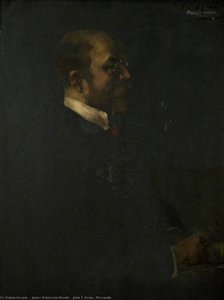
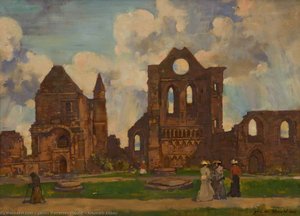
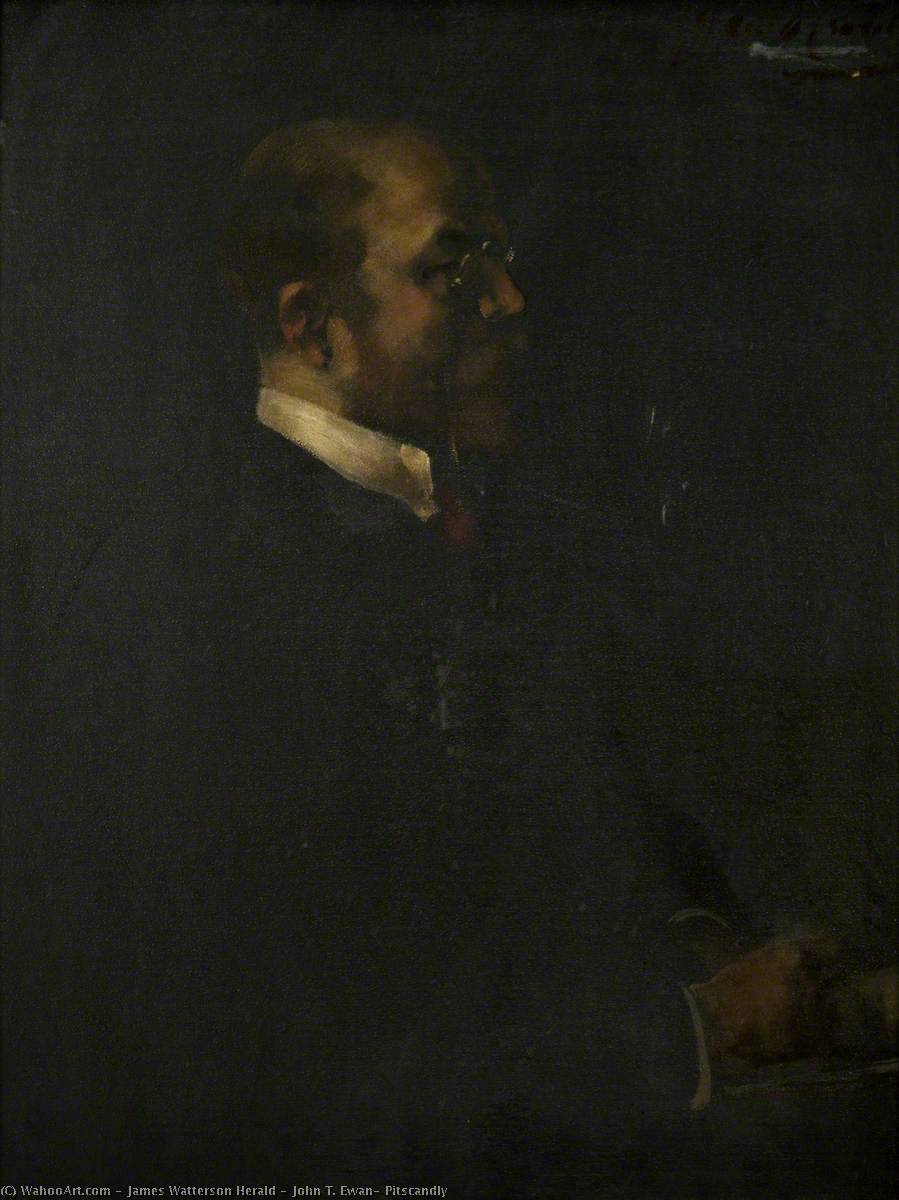
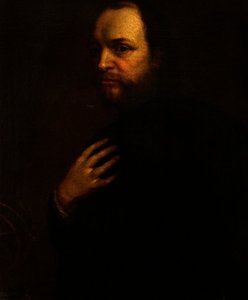
John T. Ewan, Pitscandly
 68.0 x 54.0 cm
 Read More
Hand Made Oil Reproduction
Hand-painted oil on canvas in your size and frame, made to order by our artists. ( Buy Print Buy Image)




































Pick from our preset sizes that match the artwork's original proportions.

You may enter your own dimensions to fit a specific frame or space. If your selected size does not match the original image's proportions, we will either crop the artwork or extend the painting with additional hand-painted elements. A digital mockup will be sent for your approval before production begins.
Please note that the on-screen preview does not reflect the actual cropping or extension. Only the mockup will accurately show the final composition.
While custom sizes are available, we recommend selecting a dimension from the predefined list to preserve the original proportions.
After order, ArtsDot.com team will email client for instructions and provide a mockup preview
Worldwide Delivery () in 3/4 weeks instead of standard 5 weeks. (21 August). No compromise on quality.

Free Worldwide Express Shipping

High-Quality Linen Canvas

Full Shipping Insurance

Customs Tax Refund Guarantee

True Color Matching Guarantee

60-Day Return Policy (Defects Only)

100% Money-Back Guarantee

Bulk Discount Offer
 Glass option is only available in size under 110 CM

John T. Ewan, Pitscandly
Reproduction Medium
Reproduction Size
-


Total Price
$ 263
Related Artworks
Artist Biography
Early Life and Artistic Beginnings
James Watterson Herald, born in Forfar, Scotland in 1859, emerged as a significant figure in the landscape of early twentieth-century Scottish art. His journey began not amidst formal training but within the nurturing environment of his family and local community. The son of a shoemaker, young James displayed an innate talent for drawing from a very early age, a gift quickly recognized by educators at West Burgh School and later Forfar Academy. This burgeoning aptitude led him to the art class at Dundee High School, where Mr. Kennedy, his instructor, deemed him “most promising,” awarding him prizes that signaled the start of a dedicated artistic path.
Even in these formative years, Herald’s skill wasn't limited to mere technical proficiency; he possessed an ability to capture character and essence, often sketching caricatures of local personalities. This early inclination towards observation and representation foreshadowed his later focus on scenes of everyday life and the vibrant energy of public spaces.
Edinburgh and the Development of a Unique Style
In 1884, Herald moved to Edinburgh, a city that would profoundly influence his artistic development. It was here, immersed in the bustling streets and historic closes of the Old Town, that he began to garner critical acclaim. His work from this period reflects a fascination with urban life—not merely as a backdrop but as a dynamic interplay of light, shadow, and human activity. He wasn’t simply documenting scenes; he was capturing the *spirit* of Edinburgh.
Herald's style began to coalesce during his time in the capital, characterized by an emphasis on decorative color, subtle tone, and harmonious composition. While influenced by artists like Arthur Melville – a master of watercolor technique – Herald forged his own path, developing a delicate figurative approach that infused his landscapes with a luminous quality. He moved away from strict realism, prioritizing atmosphere and emotional resonance over precise detail.
Angus and the Mature Period
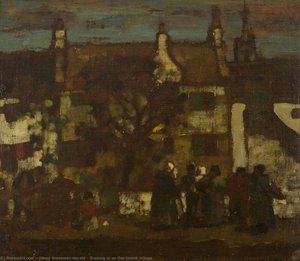
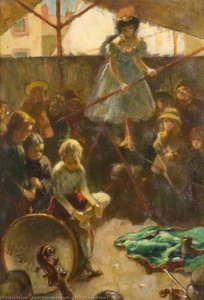
Around 1890, Herald returned to Angus, settling in Arbroath around 1901 where he remained until his death in 1914. This return marked a pivotal shift in his artistic focus. While continuing to paint town scenes, he increasingly turned towards crowd scenes, public gatherings, circuses, and harbor motifs – subjects that allowed him to explore the complexities of social life and collective experience.
His technique matured during this period, becoming instantly recognizable for its distinctive palette and evocative mood. Herald’s paintings weren't grand historical narratives; they were intimate glimpses into the lives of ordinary people, rendered with a sensitivity and warmth that resonated deeply with audiences. He skillfully balanced observation with imagination, creating works that felt both authentic and dreamlike.
Themes and Historical Significance
Herald’s work offers a fascinating window into Victorian and Edwardian Scotland. His paintings are not simply beautiful depictions of landscapes or portraits; they are social commentaries—subtle observations about the changing nature of society, the rhythms of daily life, and the human condition.
He possessed an exceptional ability to capture fleeting moments – the energy of a bustling harbor, the excitement of a circus performance, the quiet intimacy of a public gathering. His paintings often feature striking figures, rendered with a psychological depth that belies their seemingly simple subject matter. Herald’s emphasis on decorative color and subtle tone also sets him apart, creating works that are both visually captivating and emotionally engaging.
Today, James Watterson Herald is recognized as a key figure in Scottish art history. His paintings are held in numerous public collections throughout the UK, and his popularity continues to grow as scholars and collectors rediscover the beauty and depth of his work. He stands as a testament to the power of observation, the importance of atmosphere, and the enduring appeal of capturing the essence of everyday life.
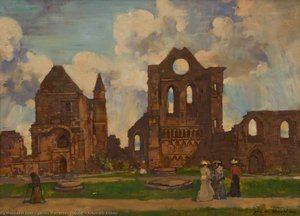
james watterson herald
1859 - 1914
Quick Facts
- Artistic Movement Or Style: Herald Art
- Artists Or Movements Influenced By This Artist: ['Scottish Landscape Painting']
- Artists Who Influenced This Artist: ['John T. Ewan']
- Date Of Birth: 1859
- Date Of Death: 1914
- Full Name: James Watterson Herald
- Nationality: Scottish
- Notable Artworks:
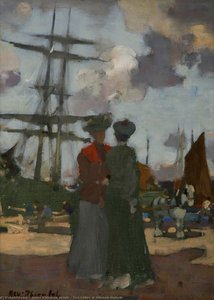
- Two Ladies at Arbroath Harbour
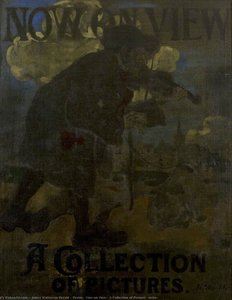
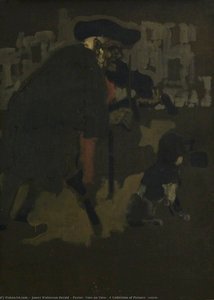
- Poster, Now on View, A Collection of Pictures
- Place Of Birth: Edinburgh, Scotland