

 Preview
 Send
Send Share
Share
 Details

 Download
 Similars
 X-Ray
X-Ray Diaporama
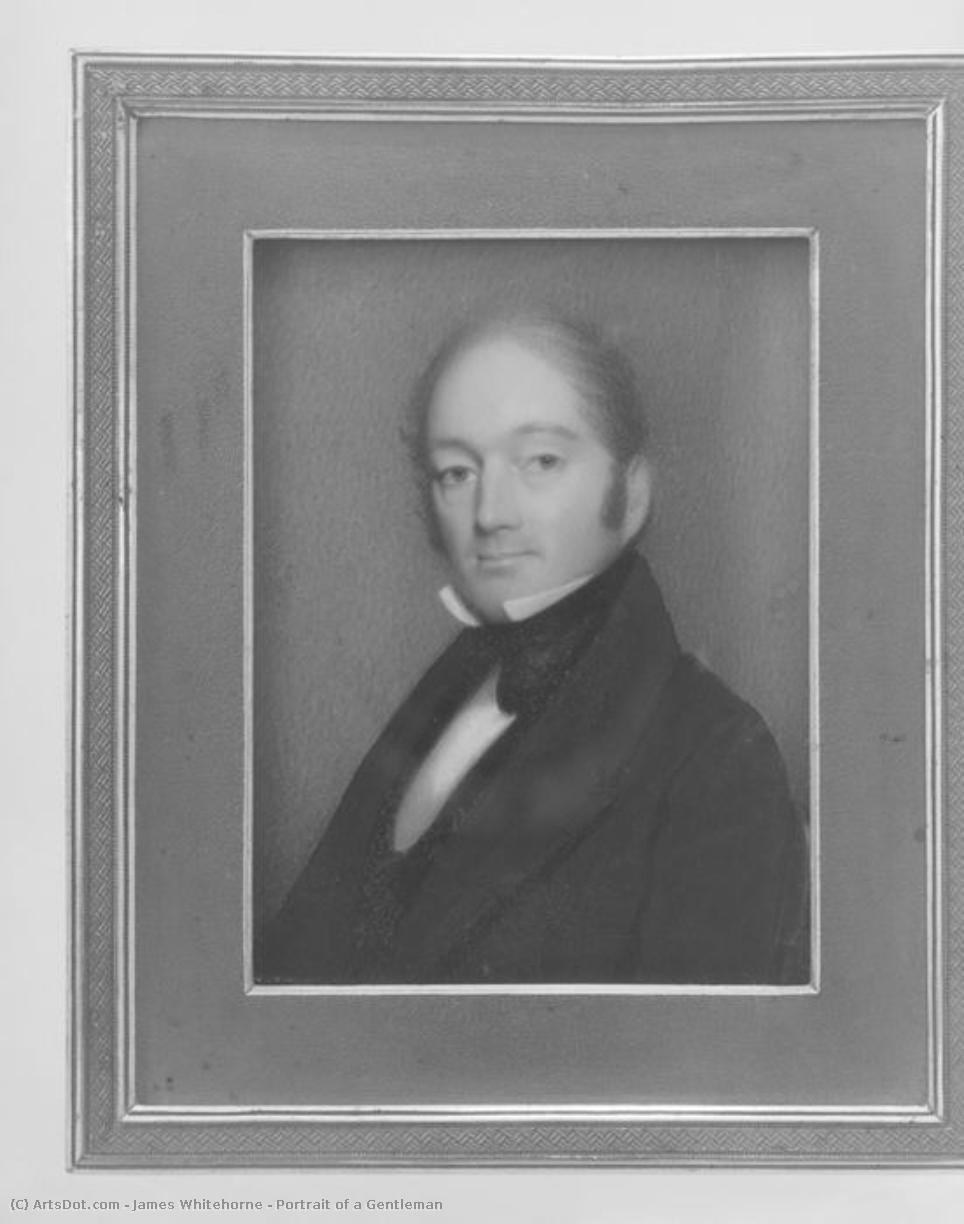
Portrait of a Gentleman
 1835
1835 9.0 x 6.0 cm
 Read More
Purchase a high-resolution, enhanced digital image, far superior to the online preview.
Each file is meticulously prepared by our in-house specialists using advanced tools and expert manual retouching. We ensure every image has exceptional clarity, precise color accuracy, and fine detail.
The final file is delivered via email within 72 hours, optimized for immediate use in professional, editorial, and print environments. This is the same quality trusted by top-tier design studios, publishers, and galleries.
Digital Image
Download a high-resolution file for personal display, printing, and creative projects. ( Buy Print Buy Hand Made Painting)
Included in Every Digital Image Order
Expert Digital Delivery, Guaranteed
When you choose ArtsDot.com, you're not just getting an image - you're receiving a professionally enhanced digital artwork, crafted with precision and backed by a satisfaction guarantee. Here's everything that comes with your order, automatically:

Fast Email Delivery
Your high-resolution digital image file will be emailed to you within 72 hours of ordering - ready for immediate use.

AI-Enhanced Digital File
Your artwork is professionally optimized using advanced AI tools and manual editing, ensuring maximum detail, clarity, and color accuracy.

Free Lifetime Re-Delivery
Accidentally deleted or lost your file? No worries - we'll resend it to you anytime, free of charge.

No Import Fees - Ever
Enjoy your artwork instantly with zero customs, duties, or delivery fees - digital downloads are always tax-free.

Color Accuracy Guarantee
We ensure your digital image reflects the original colors as closely as possible using professional tools and color management.

60-Day Satisfaction Guarantee
If you're not satisfied with your digital image, we'll revise it or refund 100% within 60 days - no questions asked.

100% Money-Back Guarantee
Not satisfied? Get a full refund within 60 days of receiving your digital file - no questions asked.

Bulk Order Discounts
Buy 3 images, save 10% - Buy 5, save 15% - Buy 10+, save 20%. Great for creative projects, galleries, and agencies.
Related Artworks





Artist Biography
A Life Dedicated to Portraiture and Principle
James Whitehorne, born in New York City in 1803, emerged as a significant figure within the American art landscape of the 19th century. While not achieving the widespread renown of some contemporaries, his dedication to portraiture—and more profoundly, to the abolitionist cause—marks him as an artist whose work resonated with both aesthetic refinement and moral conviction. Whitehorne’s life unfolded during a period of immense social and political upheaval in the United States, and his artistic practice became inextricably linked to the burgeoning anti-slavery movement.
Early in his career, Whitehorne established himself as a skilled painter of miniatures and portraits, demonstrating a keen eye for detail and an ability to capture the likenesses of his sitters with remarkable precision. He was admitted to the National Academy of Design, a testament to his technical proficiency and growing reputation among fellow artists. However, it wasn’t merely artistic skill that defined Whitehorne; he possessed a deep-seated commitment to social justice, which increasingly shaped both his subject matter and his professional life.
The Abolitionist Brush
As the anti-slavery movement gained momentum, Whitehorne became an active participant, using his artistic talents to support the cause. He was deeply involved with the American Anti-Slavery Society, contributing portraits of prominent abolitionists and individuals sympathetic to their ideals. This commitment wasn’t simply a matter of patronage; it reflected a profound moral stance that permeated his work. While many portrait artists of the era focused on depicting wealth and status, Whitehorne often chose subjects who championed equality and human rights.
The portraits he created during this period weren't merely representations of physical appearance; they were statements about character and principle. He sought to convey not just *how* his sitters looked, but *who* they were—their inner strength, their unwavering beliefs, and their dedication to a more just society. This approach infused his work with a sense of dignity and purpose that set it apart from the more conventional portraiture of the time.
Style and Influences
Whitehorne’s artistic style reflects the prevailing aesthetic sensibilities of the early 19th century, drawing inspiration from both European traditions and the emerging American artistic identity. His portraits often exhibit a meticulous attention to detail, reminiscent of the work of John Singleton Copley and other early American portraitists. However, he also demonstrated a sensitivity to light and shadow that suggests an awareness of contemporary Romantic painting.
His miniature paintings, in particular, showcase his mastery of technique and his ability to capture subtle nuances of expression within a small format. These works often feature delicate brushwork, rich color palettes, and a refined sense of composition. While he didn’t radically depart from established artistic conventions, Whitehorne infused his work with a distinctive personal style that reflected his own sensibilities and values.
Legacy and Lasting Impact
James Whitehorne passed away in 1888, leaving behind a body of work that offers valuable insights into the social and political landscape of 19th-century America. His paintings are held in various museum collections, including the Metropolitan Museum of Art and the National Portrait Gallery, ensuring his legacy endures for future generations.
While perhaps not as widely celebrated as some of his contemporaries, Whitehorne’s contribution to American art is significant nonetheless. He demonstrated that artistic talent could be harnessed in service of a greater cause, using his skills to champion equality and human rights. His portraits serve as powerful reminders of the individuals who fought for social justice during a tumultuous period in American history.
- Key Characteristics: Meticulous detail, refined technique, sensitivity to light and shadow, focus on character portrayal.
- Influences: John Singleton Copley, European portrait traditions, Romantic painting.
- Major Themes: Portraiture, abolitionism, social justice, human dignity.
The rediscovery and appreciation of Whitehorne’s work continue to grow as scholars and art enthusiasts recognize the importance of his contributions—not only as an artist but also as a dedicated advocate for a more equitable world. His paintings offer a glimpse into the lives of those who dared to challenge the status quo, reminding us that art can be both beautiful and profoundly meaningful.
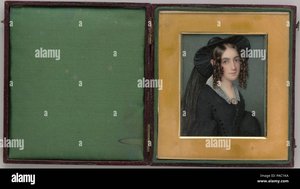
james whitehorne
1803 - 1888 , United States of America
Quick Facts
- Artistic Movement Or Style: Portrait & Miniature Painting
- Date Of Birth: 1803
- Date Of Death: 1888
- Full Name: James Whitehorne
- Nationality: American
- Notable Artworks:
- Mary Kellogg
- Portrait of a Gentleman
- Nancy Kellogg
- Place Of Birth: New York City, USA

