 Preview
 Send
Send Share
Share
 Details

 Download
 Similars
 X-Ray
X-Ray Diaporama
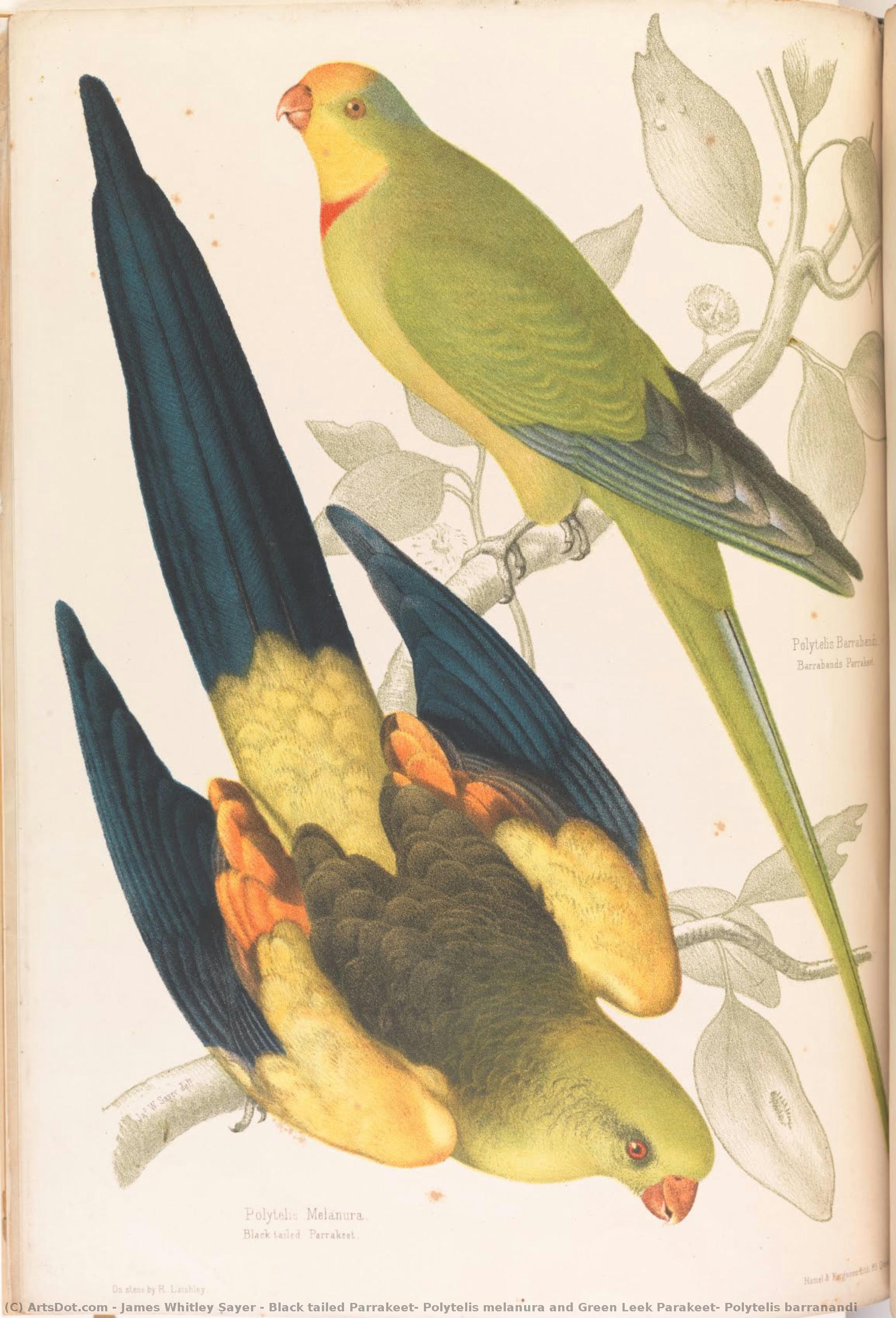
Black tailed Parrakeet, Polytelis melanura and Green Leek Parakeet, Polytelis barranandi
 Lithograph
- Naturalism
 1870
1870- 19th Century
 26.0 x 37.0 cm
 Museums Victoria
 Read More
Hand Made Oil Reproduction
Hand-painted oil on canvas in your size and frame, made to order by our artists. ( Buy Print Buy Image)




P118B $10

P118H $10

P118W $10

P438Z $10

P508JH $12

P508YH $12

P805H $10

P805Z $10

P919BZ $10

P919G $10

P919XJ $10

P959ZH $10

P968JZ $12

W106C $8

W218G $10

W218JH $8

W218Y $10

W307PJ $10

W316G $10

W316PJ $8

W316Y $10

W398PJ $8

W4111J $10

W500HY $15

W500JH $15

W692G $12

W849H $8

W940BG $15

W953PJ $8




Pick from our preset sizes that match the artwork's original proportions.

You may enter your own dimensions to fit a specific frame or space. If your selected size does not match the original image's proportions, we will either crop the artwork or extend the painting with additional hand-painted elements. A digital mockup will be sent for your approval before production begins.
Please note that the on-screen preview does not reflect the actual cropping or extension. Only the mockup will accurately show the final composition.
While custom sizes are available, we recommend selecting a dimension from the predefined list to preserve the original proportions.
After order, ArtsDot.com team will email client for instructions and provide a mockup preview
Worldwide Delivery () in 3/4 weeks instead of standard 5 weeks. (17 August). No compromise on quality.

Free Worldwide Express Shipping

High-Quality Linen Canvas

Full Shipping Insurance

Customs Tax Refund Guarantee

True Color Matching Guarantee

60-Day Return Policy (Defects Only)

100% Money-Back Guarantee

Bulk Discount Offer
 Glass option is only available in size under 110 CM

Black tailed Parrakeet, Polytelis melanura and Green Leek Parakeet, Polytelis barranandi
Reproduction Medium
Reproduction Size
-


Total Price
$ 263
Artwork Description
Related Artworks
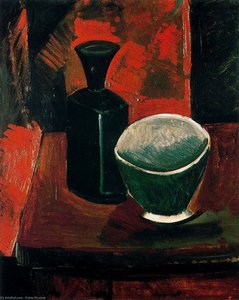
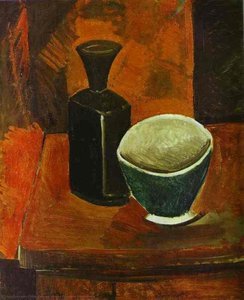
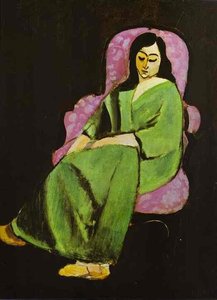
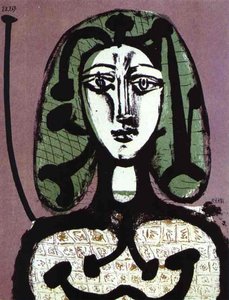
Artist Biography
James Whitley Sayer: A Master of French Crayon and the Soul of the Kentucky Landscape
Born in Cornwall, England, in 1847, James Whitley Sayer – also known as William W. Sayers – emerged as a singular figure in late Victorian British art, primarily recognized for his exquisite mastery of French crayon drawing. His work transcends mere landscape depiction; it’s imbued with a profound sensitivity to light, texture, and the very essence of his subjects, particularly the rugged beauty of the Kentucky wilderness where he spent much of his career. Sayer's legacy isn’t one of grand, sweeping canvases but rather in the intimate detail and evocative atmosphere captured within his meticulously rendered drawings – a testament to his exceptional draughtsmanship and artistic vision.
Early life offered little indication of the artist he would become. He began his career as an artist at a young age, exhibiting chalk drawings in Melbourne, Australia, in 1866. This early exposure to public exhibition laid the groundwork for his future endeavors. Moving to Victoria, specifically Dunolly near Ballarat, Sayer found himself immersed in a burgeoning artistic community. His talent quickly gained recognition, culminating in three large framed French crayon drawings being showcased at the Melbourne Intercolonial Exhibition of 1866 – biblical scenes meticulously copied from European masters like Correggio and Adrian Van der Werff. These early works demonstrate his dedication to replicating detail and capturing the spirit of established art forms.
Sayer’s artistic style is fundamentally defined by his command of French crayon, a technique that allowed for unparalleled subtlety in shading and texture. Unlike charcoal or pencil, French crayons offered a rich, velvety darkness and a remarkable ability to mimic the appearance of paint. This medium perfectly suited Sayer's desire to capture the nuances of light and shadow, particularly evident in his depictions of the Kentucky landscape – rolling hills, dense forests, and the shimmering surfaces of creeks and pools. His most celebrated work, “The Cowrie Pool, Torquay,” donated to the Geelong Art Gallery in 1902, exemplifies this style; it’s a study in atmospheric perspective and the delicate interplay of light on water, showcasing his ability to translate natural beauty onto paper with remarkable precision.
Beyond his technical skill, Sayer played a pivotal role in establishing the Geelong Art Gallery as a significant cultural institution. His donation of “The Cowrie Pool” marked a crucial moment in the gallery’s development and solidified his place within the region's artistic landscape. The gallery itself became a testament to his vision, showcasing not only his own work but also attracting other artists and fostering a vibrant community of art enthusiasts. His influence extended beyond the gallery walls; he was part of a generation of artists who helped shape the country’s artistic identity during a period of significant social and cultural change.
The Kentucky Years: Landscape, Wildlife, and a Developing Style
In 1883, Sayer relocated to Kentucky, drawn by the state's dramatic landscapes and abundant wildlife. This move proved transformative for his art, shifting his focus from biblical scenes to the natural world. He began documenting the region’s diverse flora and fauna with an almost obsessive attention to detail. His drawings of birds – particularly the Black-tailed Parrakeet and Green Leek Parakeet – are remarkable for their accuracy and sensitivity, capturing the vibrant colors and intricate plumage of these creatures with astonishing realism. These works demonstrate a growing confidence in his ability to portray subjects from life, moving beyond mere imitation of established masters.
During this period, Sayer’s style continued to evolve. While retaining his signature use of French crayon, he began experimenting with bolder colors and looser brushwork, reflecting the dynamic energy of the Kentucky landscape. He also undertook commissions for various organizations, including designing floral wreaths for medals and creating illustrations for scientific publications, such as Rev. J.J. Halley’s *Monograph of the Psittacidae*. These diverse projects further honed his artistic skills and broadened his creative horizons.
Recognition and Legacy
Despite his considerable talent and dedication, Sayer's career was often overshadowed by circumstance. The economic depression of the 1890s significantly hampered efforts to establish a permanent gallery in Geelong, delaying the realization of his vision. Nevertheless, he persevered, continuing to exhibit his work and contribute to the local artistic community. His commitment to art extended beyond his own practice; he actively supported emerging artists and fostered a spirit of collaboration within the region.
James Whitley Sayer’s legacy is one of quiet achievement and understated influence. While he may not be as widely celebrated as some of his contemporaries, his drawings – particularly “The Cowrie Pool” – remain treasured works of art, offering a glimpse into the beauty of the Kentucky landscape and the exceptional talent of a dedicated artist. His contribution to the Geelong Art Gallery cemented his place in regional history, and his work continues to inspire artists and art lovers alike.
Notable Works and Exhibitions
- “The Cowrie Pool, Torquay” (1902) – Geelong Art Gallery
- Black-tailed Parrakeet, Polytelis melanura and Green Leek Parakeet, Polytelis barranandi (various drawings)
- Biblical Scenes from European Masters (1866)
Further Resources
For more information on James Whitley Sayer and his artworks, please visit the following resources:
- James Whitley Sayer | ArtsDot.com: https://jameswhitleysayer.ArtsDot.com/
- Geelong Art Gallery: https://geelonggallery.vic.gov.au/ (Explore the collection, including “The Cowrie Pool”)
- Wikipedia: https://en.wikipedia.org/wiki/James_Whitley_Sayer
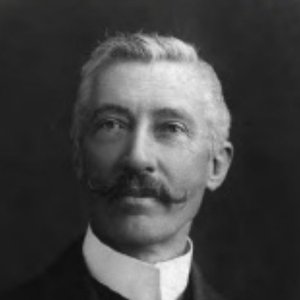
james whitley sayer
1847 - 1914 , United Kingdom
Quick Facts
- Artistic Movement Or Style: French crayon drawings
- Artists Or Movements Influenced By This Artist: ['Geelong Art Gallery']
- Artists Who Influenced This Artist:
- Correggio
- Adrian Van der Werff
- Girolano Batoni
- Date Of Birth: 1847, Cornwall, UK
- Date Of Death: 1914
- Full Name: James Whitley Sayer
- Nationality: British
- Notable Artworks: ['Cowrie Pool, Torquay']
- Place Of Birth: Cornwall, UK
Related Articles
Verdant Visions: Exploring the Symbolism & Aesthetic Impact of Green in Art History
Explore the rich history & symbolism of green in art! Discover iconic paintings, techniques, and how to bring verdant harmony into your home with ArtsDot's expert guide.

Dark Masterpieces: 10 Iconic Paintings Dominated by Black Tones |
Explore 10 iconic paintings dominated by black tones, from Rembrandt’s chiaroscuro to Goya's dark expressions. Discover the stories behind these masterpieces & find museum-quality art reproductions for your home at .
Dark Olive Green Masterpieces: 10 Iconic Paintings & Decor Ideas
Explore 10 iconic paintings where dark olive green reigns supreme! From Van Gogh to Rembrandt, discover art history's most captivating masterpieces & the stories behind them. Find museum-quality reproductions and curated decor ideas at .
Chrome Green Masterpieces: 10 Famous Paintings & Their Alluring Hues |
Explore 10 famous paintings where 'Chrome Green' reigns supreme! Discover Monet, Manet & Van Gogh’s masterpieces. Learn the stories behind these iconic artworks and find museum-quality art reproductions for your home at .
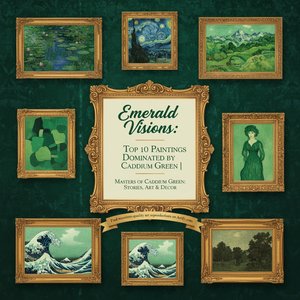
Emerald Visions: Top 10 Paintings Dominated by Cadmium Green |
Explore 10 iconic paintings where cadmium green reigns supreme! From Monet to Van Gogh, discover the stories behind these masterpieces & the power of color. Find museum-quality art reproductions and elevate your home decor on .