 Preview
 Send
Send Share
Share
 Details

 Download
 Similars
 X-Ray
X-Ray Diaporama
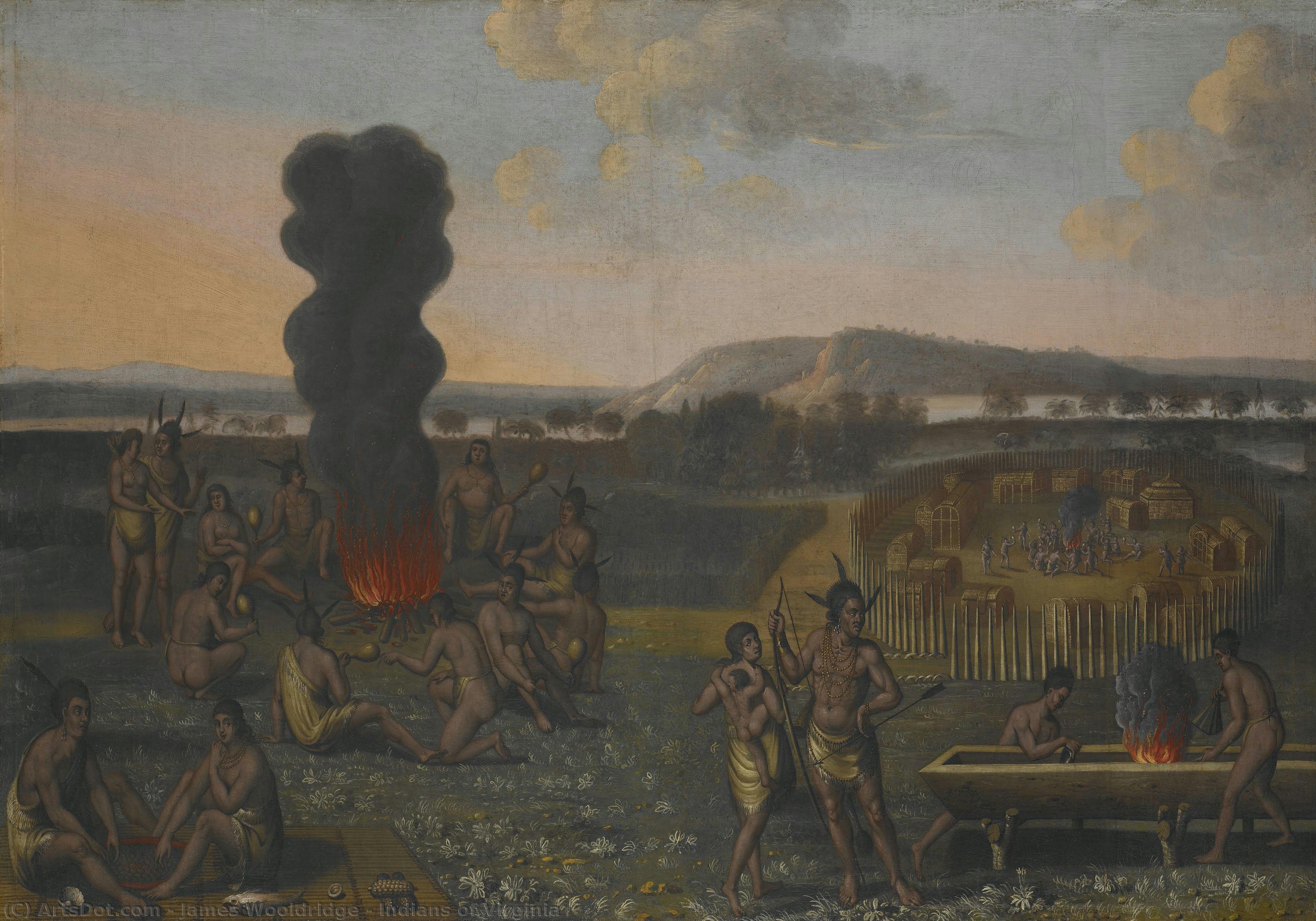
Indians of Virginia
 Oil On Canvas
- WallArt
- Baroque Renaissance Revival
 1675
1675- Renaissance
 75.0 x 108.0 cm
 Crystal Bridges Museum of American Art
 Read More
Giclée / Art Print
Museum-quality giclée or canvas print with fast production and flexible finish options. ( Buy Hand Made Painting Buy Image)




P118B $10

P118H $10

P118W $10

P438Z $10

P508JH $12

P508YH $12

P805H $10

P805Z $10

P919BZ $10

P919G $10

P919XJ $10

P959ZH $10

P968JZ $12

W106C $8

W218G $10

W218JH $8

W218Y $10

W307PJ $10

W316G $10

W316PJ $8

W316Y $10

W398PJ $8

W4111J $10

W500HY $15

W500JH $15

W692G $12

W849H $8

W940BG $15

W953PJ $8




Pick from our preset sizes that match the artwork's original proportions.

You may enter your own dimensions to fit a specific frame or space. If your selected size does not match the original image's proportions, we will either crop the artwork or extend the image with a mirrored or solid-fill edge. A digital mockup will be sent for your approval before production begins.
Please note that the on-screen preview does not reflect the actual cropping or extension. Only the mockup will accurately show the final composition.
While custom sizes are available, we recommend selecting a dimension from the predefined list to preserve the original proportions.
Worldwide Delivery () in 2 weeks instead of standard 4/5 weeks. (24 August)

Free Worldwide Express Shipping

High-Quality Linen Canvas

Full Shipping Insurance

Customs Tax Refund Guarantee

True Color Matching Guarantee

60-Day Return Policy (Defects Only)

100% Money-Back Guarantee

Bulk Discount Offer
 Glass option is only available in size under 110 CM

Indians of Virginia
Giclée / Art Print
Reproduction Size
-


Total Price
$ 63
Collectible Description
A Window into Early Colonial America: James Wooldridge’s “Indians of Virginia”
James Wooldridge's 1675 watercolor reproduction, "Indians of Virginia," is more than just a depiction of Native Americans; it’s a poignant artifact of early European encounters with the New World. Created nearly three centuries after John White’s original watercolors, this piece offers a fascinating glimpse into how Europeans perceived and attempted to categorize the indigenous populations of Virginia – perceptions shaped by Theodore de Bry's engravings and filtered through the lens of Renaissance artistic conventions.
The painting’s genesis lies in the groundbreaking work of John White, whose detailed observations of the Roanoke Colony provided the first published visual record of American life. De Bry, a German engraver, then disseminated these images across Europe, sparking widespread fascination and fueling subsequent voyages to the Americas. Wooldridge's meticulous reproduction captures this initial impression – a composite scene populated by figures rendered with a surprising degree of detail and sophistication. The arrangement of the individuals around the fire pit, their postures echoing Renaissance ideals of grace and composure, speaks volumes about the European desire to impose order and familiarity onto the ‘other’.
Technical Mastery and Historical Layers
- Medium: Watercolor on Linen – a testament to Wooldridge's skill in recreating White's original watercolor technique.
- Dimensions: 75 x 108 cm (29 ¾ x 42 ¾ inches) – a substantial size that allows for an immersive viewing experience.
- Reconstruction of Originals: Wooldridge’s work is fundamentally a reconstruction, built upon the foundations laid by White and De Bry. He didn't create the scene from scratch but rather meticulously translated existing imagery into a new medium.
- Detail & Composition: The painting showcases remarkable attention to detail – from the clothing of the figures to the smoke rising from the fire – elements that contribute to its captivating realism.
Symbolism and Cultural Interpretation
Beyond mere representation, “Indians of Virginia” is laden with symbolic meaning. The scene depicts a moment of communal activity—a gathering around the fire pit—which was likely a significant social event for the Algonquian people. The inclusion of a dog further emphasizes this connection to nature and highlights the close relationship between humans and animals within their culture. Despite the European artists’ attempts to portray these cultures as complex and sophisticated, the painting also reveals a certain degree of misinterpretation and exoticization. The figures are presented in familiar poses, suggesting a desire to find parallels between European and Native American societies, while simultaneously reinforcing stereotypes of ‘savage’ and ‘mysterious’ peoples.
A Collector's Piece – History and Aesthetic Value
This hand-painted reproduction offers a unique opportunity to own a piece of art history. “Indians of Virginia” is not simply an image; it’s a tangible link to the early days of European exploration, a testament to the artistic skill of James Wooldridge, and a window into a pivotal moment in both American and global history. Its dimensions (75 x 108 cm) make it suitable for a variety of interior design settings, from formal studies to more casual living spaces. The painting’s evocative depiction of a bygone era will undoubtedly spark conversation and add a touch of historical intrigue to any collection.
Related Artworks





Artist Biography
James Wooldridge: Bridging History and Artistic Vision Through Watercolor Reproduction
James Wooldridge (1861-1943), a British painter born in Liskeard, Cornwall, stands as an intriguing figure within the landscape of late 19th-century art. His life’s journey intertwined with both craftsmanship and advocacy for mental health, resulting in a unique artistic perspective that found its most enduring expression through meticulous watercolor reproductions—particularly his masterful rendition of John White's iconic “Indians of Virginia.” While biographical details remain somewhat sparse, Wooldridge’s contribution to the Faringdon Collection Trust illuminates his dedication to preserving and disseminating art heritage.- Early Life & Apprenticeship: Born into a family of nine children in Liskeard, Wooldridge embarked on a traditional path—serving an apprenticeship as a shoemaker—before pivoting towards a vocation dedicated to assisting those grappling with mental illness. This formative experience undoubtedly instilled empathy and shaped his worldview.
- Mental Health Activism & Recovery Devon: Beyond his artistic pursuits, Wooldridge championed the cause of mental wellbeing through his involvement with Recovery Devon, demonstrating a commitment to social responsibility alongside creative endeavor. He served as Managing Director for this organization, furthering his dedication to improving lives.
The Faringdon Collection Trust and Artistic Legacy
Wooldridge’s connection to the Faringdon Collection Trust represents a pivotal element of his artistic legacy. This institution houses an impressive assemblage of artworks spanning diverse eras and styles—a testament to Wooldridge's belief in safeguarding cultural treasures for future generations. Notable artists featured within the collection include Simeon Solomon, celebrated for “The Annunciation,” and Paul Nash, renowned for “Sunrise, Inverness Copse.” These selections underscore the breadth of artistic expression during his time.- Influence of John White’s Watercolor Technique: Wooldridge's decision to reproduce White’s “Indians of Virginia” exemplifies a deliberate stylistic choice. White’s watercolor technique—characterized by delicate washes and subtle tonal gradations—allowed Wooldridge to capture the essence of historical documentation while simultaneously injecting artistic sensitivity.
- Blending Observation & Imagination: The reproduction wasn't merely a faithful copy; it demonstrated Wooldridge’s ability to transform observation into imaginative interpretation. He skillfully conveyed the spirit of White’s original painting, enriching its narrative and aesthetic impact.
Notable Collections Featuring Wooldridge’s Reproduction Style
Wooldridge's artistic approach aligns with broader trends in British art during his era—particularly evident within collections like the Ingram Collection of Modern British and Contemporary Art. This collection showcases works by artists such as Harold Riley, John Kendall, and Sarah Morris, reflecting a dynamic period marked by experimentation and innovation.- Turner’s “Dido Building Carthage”: The Ingram Collection houses Turner's monumental watercolor painting "Dido Building Carthage," showcasing the artist’s mastery of atmospheric perspective and dramatic composition—skills similarly honed by Wooldridge in his reproductions.
- Stubbs’ “Horse Frightened By A Lion”: Similarly, Stubbs’ evocative depiction of a horse confronting a lion resides within the Ingram Collection. This painting exemplifies Stubbs' meticulous attention to detail and anatomical accuracy—characteristics that resonate with Wooldridge’s commitment to artistic precision.
Recognition & Awards
In 2022, James Wooldridge received an accolade for his contributions to mental health advocacy. This honor underscores not only his professional accomplishments but also his profound belief in the transformative power of art—a conviction that fueled his lifelong dedication to fostering appreciation and understanding within the artistic community.
James Wooldridge
1861 - , United Kingdom
Quick Facts
- Artistic Movement Or Style: Historical painting
- Artists Or Movements Influenced By This Artist: ['Faringdon Collection']
- Artists Who Influenced This Artist: ['John White']
- Date Of Birth: 1861
- Full Name: James Wooldridge
- Nationality: British
- Notable Artworks: ['Indians of Virginia']
- Place Of Birth: Liskeard, United Kingdom