 Preview
 Send
Send Share
Share
 Details

 Download
 Similars
 X-Ray
X-Ray Diaporama
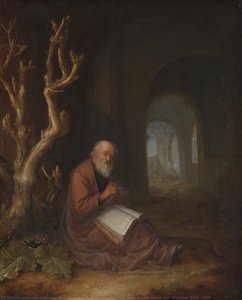
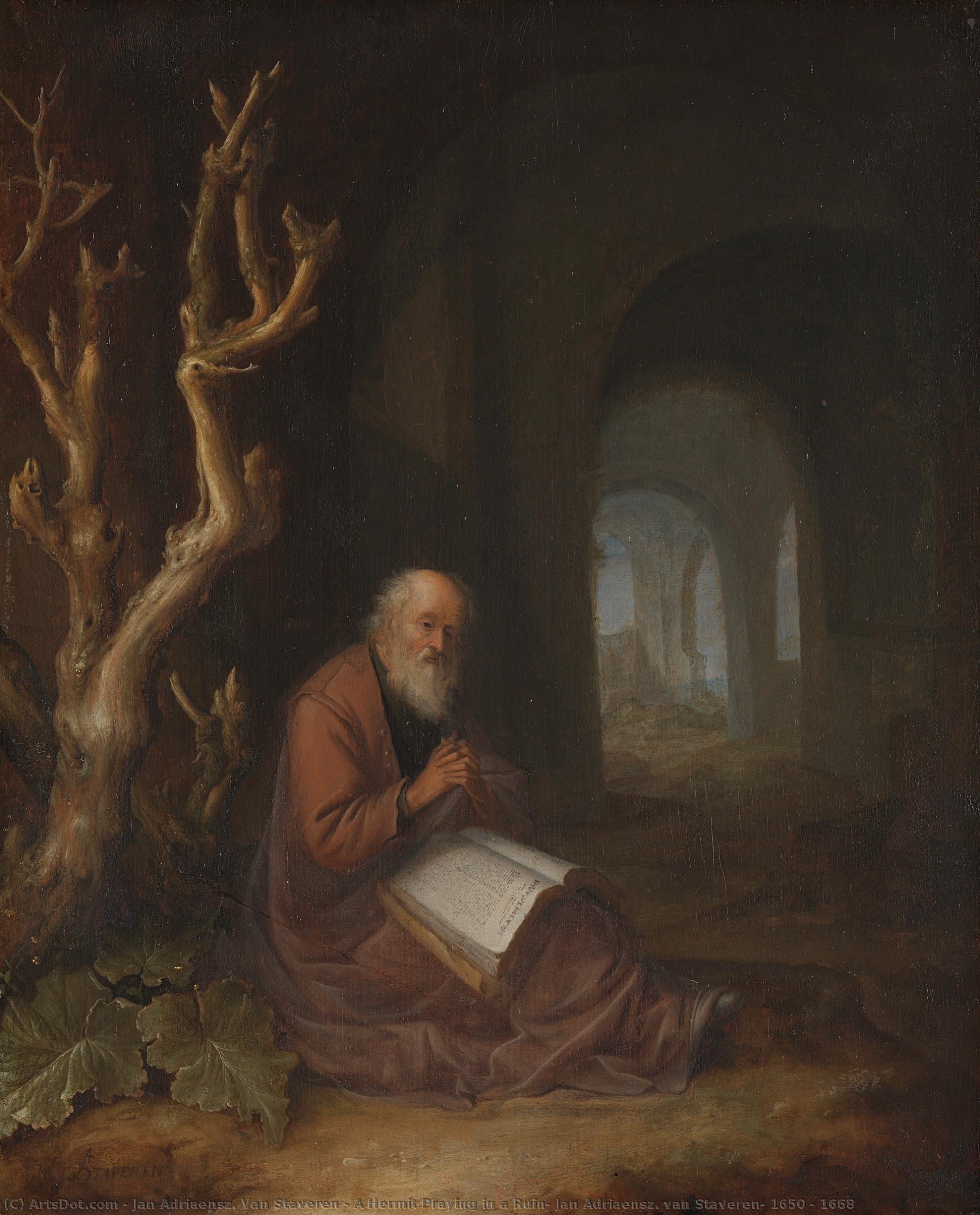
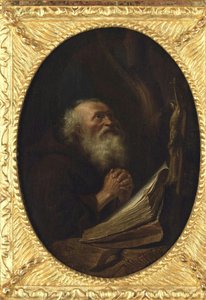
A Hermit Praying in a Ruin, Jan Adriaensz. van Staveren, 1650 - 1668
 1668
1668 33.0 x 27.0 cm
 Read More
Hand Made Oil Reproduction
Hand-painted oil on canvas in your size and frame, made to order by our artists. ( Buy Print Buy Image)




































Pick from our preset sizes that match the artwork's original proportions.

You may enter your own dimensions to fit a specific frame or space. If your selected size does not match the original image's proportions, we will either crop the artwork or extend the painting with additional hand-painted elements. A digital mockup will be sent for your approval before production begins.
Please note that the on-screen preview does not reflect the actual cropping or extension. Only the mockup will accurately show the final composition.
While custom sizes are available, we recommend selecting a dimension from the predefined list to preserve the original proportions.
After order, ArtsDot.com team will email client for instructions and provide a mockup preview
Worldwide Delivery () in 3/4 weeks instead of standard 5 weeks. (28 August). No compromise on quality.

Free Worldwide Express Shipping

High-Quality Linen Canvas

Full Shipping Insurance

Customs Tax Refund Guarantee

True Color Matching Guarantee

60-Day Return Policy (Defects Only)

100% Money-Back Guarantee

Bulk Discount Offer
 Glass option is only available in size under 110 CM

A Hermit Praying in a Ruin, Jan Adriaensz. van Staveren, 1650 - 1668
Reproduction Medium
Reproduction Size
-


Total Price
$ 263
Related Artworks



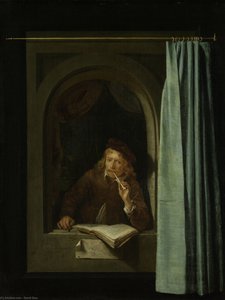

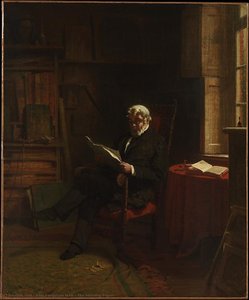
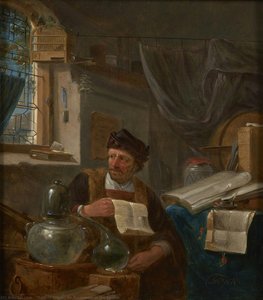
Artist Biography
Jan Adriaensz van Staveren: A Leiden Master of Genre and Landscape
Jan Adriaensz van Staveren (1614 in Leiden – 1669 in Leiden) stands as a significant, yet often overlooked, figure within the vibrant artistic landscape of the Dutch Golden Age. A member of the Leiden school of *fijnschilders*, he carved out a distinctive niche for himself through his captivating genre scenes, evocative landscapes, and meticulously rendered portraits – works that offer intimate glimpses into 17th-century life and reflect a profound understanding of light, atmosphere, and human character. His career, spanning nearly five decades, unfolded against the backdrop of Leiden’s thriving artistic community, a hub for innovation and experimentation that nurtured talents like Rembrandt van Rijn and Gerrit Dou.Early Life and Artistic Training
Born in Leiden around 1614, Jan Adriaensz van Staveren was the son of Adriaen Jansz van Staveren, a prominent city official who held numerous administrative positions throughout his life. This lineage instilled within him a sense of civic responsibility and perhaps contributed to his later success as both an artist and a public servant. Records indicate that he entered the Leiden University *Album Studiosorum* in 1628 at just fourteen years old – a customary practice for young artists seeking recognition and access to artistic training, regardless of formal academic enrollment. Crucially, he joined the Leiden Guild of St. Luke in 1644 and remained a member until his death in 1669, signifying his commitment to upholding the standards and traditions of the guild. While the precise details of his early artistic education remain somewhat elusive, it’s generally believed that he was mentored by Gerrit Dou, a contemporary known for his subtle realism and atmospheric effects – a style that undoubtedly influenced Van Staveren's own approach. The shared studio environment between Rembrandt van Rijn and Jan Lievens, which operated in Leiden during the early 1630s, also likely played a role in shaping his artistic development.Subject Matter and Artistic Style
Van Staveren’s oeuvre is characterized by a remarkable versatility, encompassing a range of subjects that reflect the diverse interests of his time. He excelled particularly in *tronies* – small-scale portraits intended to capture a fleeting mood or character—often depicting Oriental figures, a popular subject introduced to Leiden by Rembrandt and Jan Lievens around 1630. These works are notable for their psychological depth and subtle expressions, revealing a keen eye for human emotion. Beyond the *tronies*, Van Staveren produced captivating genre scenes that depicted everyday life in Leiden and its surrounding areas – bustling marketplaces, quiet interiors, and intimate moments of domesticity. His landscapes, too, demonstrate a masterful command of light and atmosphere, evoking the beauty and tranquility of the Dutch countryside. A defining characteristic of his style is his use of *chiaroscuro*—the dramatic interplay of light and shadow—which he employed to create a sense of depth, volume, and realism in his paintings. His compositions are often carefully balanced, with an emphasis on detail and precision, reflecting the meticulous standards of the Leiden school.Notable Works and Legacy
Among Van Staveren’s most celebrated works is “A Hermit Praying in a Ruin,” painted around 1650-1668, which exemplifies his ability to capture both the spiritual and emotional dimensions of his subjects. His depictions of Oriental figures, particularly those rendered as *tronies*, are highly sought after by collectors today. The Leiden Collection holds several examples of these captivating portraits, showcasing Van Staveren’s skill in portraying exotic characters with a remarkable degree of realism and psychological insight. His work is also represented in museum collections across Europe, including the Museum Smidt van Gelder in Antwerp, where his paintings are admired for their atmospheric quality and subtle details. Furthermore, Jan van Goyen, another prominent figure in the Leiden school, shared a similar artistic sensibility with Van Staveren, particularly in his landscapes—a testament to the vibrant exchange of ideas within the region’s artistic community.Historical Significance
Jan Adriaensz van Staveren's contribution to 17th-century Dutch art is often overshadowed by more famous contemporaries, yet his work deserves recognition for its unique qualities and enduring appeal. As a member of the Leiden school, he participated in a dynamic artistic environment that fostered innovation and experimentation. His ability to seamlessly blend genre, landscape, and portraiture demonstrates a remarkable versatility and a deep understanding of human nature. His meticulous attention to detail, masterful use of light and shadow, and evocative compositions have ensured his place as a significant artist within the broader context of Dutch Golden Age painting. The preservation of his paintings in museum collections around the world serves as a lasting tribute to his artistic legacy—a testament to the enduring power of his vision and skill.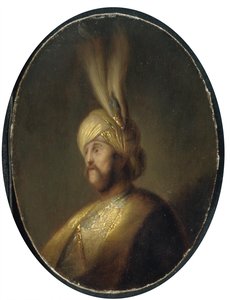
jan adriaensz. van staveren
1614 - 1669 , Netherlands
Quick Facts
- Artistic Movement Or Style: Leiden fijnschilders
- Artists Or Movements Influenced By This Artist: ['Rembrandt van Rijn']
- Artists Who Influenced This Artist: ['Gerrit Dou']
- Date Of Birth: 1614, Leiden
- Date Of Death: 1669, Leiden
- Full Name: Jan Adriaensz van Staveren
- Nationality: Dutch
- Notable Artworks:
- A Hermit Praying
- Tronies (Oriental figures)
- Place Of Birth: Leiden, Netherlands