 Preview
 Send
Send Share
Share
 Details

 Download
 Similars
 X-Ray
X-Ray Diaporama
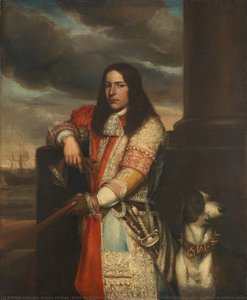
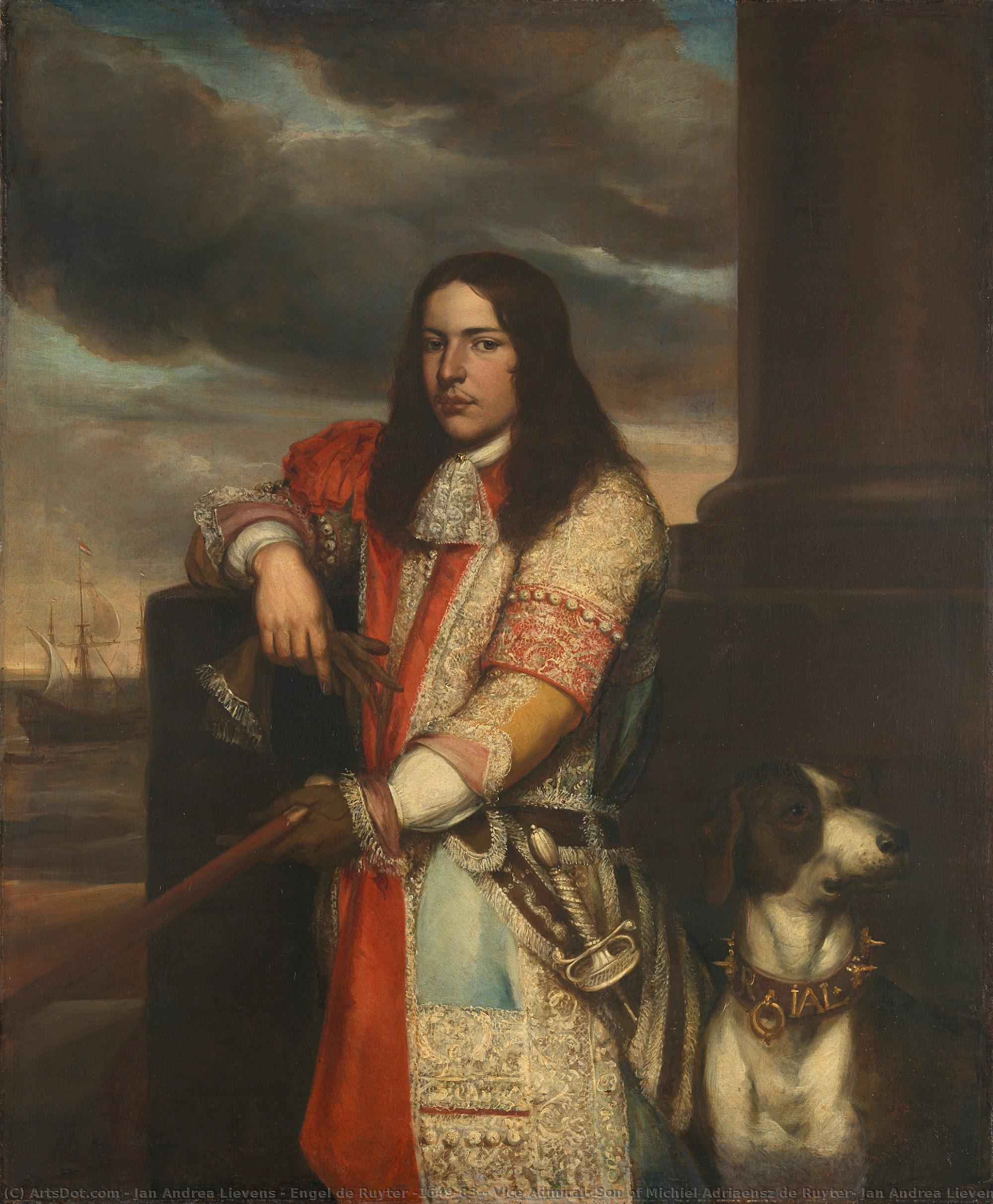
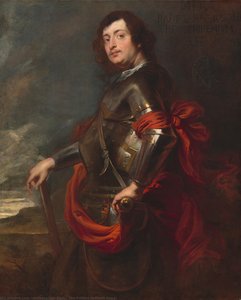
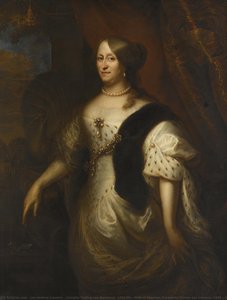
Engel de Ruyter (1649-83), Vice Admiral, Son of Michiel Adriaensz de Ruyter, Jan Andrea Lievens, 1667 - 1680


 Read More
Giclée / Art Print
Museum-quality giclée or canvas print with fast production and flexible finish options. ( Buy Hand Made Painting Buy Image)




































Pick from our preset sizes that match the artwork's original proportions.

You may enter your own dimensions to fit a specific frame or space. If your selected size does not match the original image's proportions, we will either crop the artwork or extend the image with a mirrored or solid-fill edge. A digital mockup will be sent for your approval before production begins.
Please note that the on-screen preview does not reflect the actual cropping or extension. Only the mockup will accurately show the final composition.
While custom sizes are available, we recommend selecting a dimension from the predefined list to preserve the original proportions.
Worldwide Delivery () in 2 weeks instead of standard 4/5 weeks. (26 August)

Free Worldwide Express Shipping

High-Quality Linen Canvas

Full Shipping Insurance

Customs Tax Refund Guarantee

True Color Matching Guarantee

60-Day Return Policy (Defects Only)

100% Money-Back Guarantee

Bulk Discount Offer
 Glass option is only available in size under 110 CM

Engel de Ruyter (1649-83), Vice Admiral, Son of Michiel Adriaensz de Ruyter, Jan Andrea Lievens, 1667 - 1680
Giclée / Art Print
Reproduction Size
-


Total Price
$ 63
Collectible Description
Related Artworks
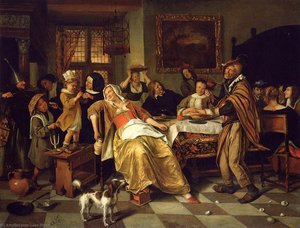

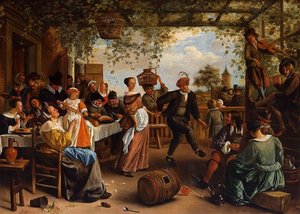
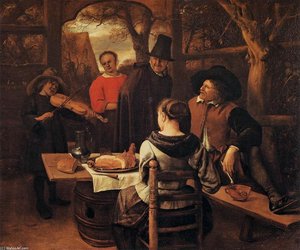
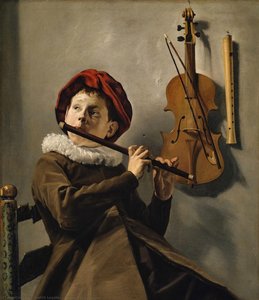
Artist Biography
The Early Life and Artistic Promise of Jan Andrea Lievens
Jan Andrea Lievens, a name resonating with the burgeoning artistic spirit of the 17th century, emerged from an environment steeped in Flemish tradition yet poised on the cusp of Baroque innovation. Born in , his early life remains shrouded in some mystery, though it is known he received foundational training within the established guild system—a common path for aspiring artists of the period. This initial education likely focused on meticulous draftsmanship and the techniques of oil painting, skills that would become hallmarks of his mature style. While specific details regarding his master are scarce, the influence of prominent Antwerp painters is palpable in his early works, suggesting a close study of their methods and compositions. Lievens’s youth coincided with a period of significant religious and political upheaval in the Netherlands, factors which subtly informed the introspective quality often found within his oeuvre. He wasn't merely replicating existing styles; even as an apprentice, he demonstrated a keen eye for capturing psychological nuance and emotional depth—qualities that would set him apart from many of his contemporaries.A Journey Through Influences: From Flemish Realism to Italianate Grandeur
Lievens’s artistic development wasn't confined by geographical boundaries. While firmly rooted in the Flemish tradition of detailed realism, he embarked on a journey that exposed him to the burgeoning influence of Italian Renaissance and Baroque masters. This exposure proved transformative. The works of Caravaggio, with their dramatic chiaroscuro and intense emotionality, left an indelible mark on Lievens’s approach to light and shadow. He began experimenting with bolder contrasts, using darkness not merely as a compositional element but as a vehicle for conveying psychological tension and spiritual fervor. Simultaneously, the idealized forms and grand narratives of Italianate painting inspired him to broaden his subject matter beyond the everyday scenes typical of Flemish genre painting. This synthesis—the meticulous detail of Flanders combined with the dramatic power of Italy—became the defining characteristic of Lievens’s unique artistic voice. He absorbed these influences not through direct imitation, but through a process of critical engagement and personal interpretation, forging a style that was both innovative and deeply rooted in his own artistic heritage.Themes and Techniques: Exploring Faith, Humanity, and Light
The core themes explored throughout Lievens’s career revolved around faith, humanity, and the power of light as a metaphor for divine grace. His religious paintings are particularly compelling, often depicting scenes from the life of Christ or the lives of the saints with an unusual degree of emotional intensity. He eschewed idealized representations in favor of portraying figures with raw vulnerability and human imperfection—a characteristic that resonated deeply with audiences seeking a more relatable spiritual experience. Technically, Lievens was a master of oil painting, renowned for his ability to create incredibly realistic textures and luminous effects. His brushwork was often loose and expressive, particularly in the rendering of drapery and skin tones, lending a sense of dynamism and immediacy to his compositions. He employed a sophisticated understanding of chiaroscuro, using light not only to model forms but also to direct the viewer’s gaze and emphasize key emotional moments within the narrative. His use of color was restrained yet effective, often relying on earth tones and subtle gradations to create a sense of atmosphere and depth.Major Achievements and Lasting Legacy
While Lievens may not be as widely recognized as some of his more famous contemporaries, his contributions to 17th-century painting are significant. He achieved considerable success during his lifetime, receiving commissions from both religious institutions and private patrons. His paintings were admired for their technical virtuosity, emotional depth, and spiritual resonance. Several major works stand out as testaments to his artistic prowess, including depictions of biblical scenes that showcase his mastery of light and shadow and his ability to capture the psychological complexity of his subjects. Beyond specific masterpieces, Lievens’s lasting legacy lies in his unique synthesis of Flemish realism and Italianate grandeur—a style that influenced a generation of artists who followed in his footsteps. He demonstrated that it was possible to embrace both meticulous detail and dramatic expression, creating paintings that were both visually compelling and emotionally profound. His work continues to be studied and admired today as an example of the artistic innovation and spiritual fervor that characterized the Baroque period.Historical Significance and Continued Appreciation
Jan Andrea Lievens occupies a fascinating position within art history—a bridge between the established traditions of Flemish painting and the emerging dynamism of the Baroque era. He wasn’t simply a follower of existing styles; he actively engaged with them, synthesizing their strengths and forging his own unique artistic voice. His emphasis on emotional realism and psychological depth foreshadowed later developments in portraiture and genre painting.- His work provides valuable insight into the religious and cultural climate of 17th-century Netherlands.
- The continued appreciation of his paintings reflects a growing interest in artists who challenged conventional norms and explored new avenues of artistic expression.
- Lievens’s legacy extends beyond his specific works, inspiring generations of artists to embrace both technical virtuosity and emotional honesty.
Quick Facts
- Artistic Movement Or Style: Baroque painting
- Date Of Death: Living
- Full Name: Jan Andrea Lievens
Related Articles

Golden Age Reflections: Dutch Baroque Painting & Cultural Innovation
Explore the Dutch Golden Age of painting! Discover key artists like Vermeer & ter Borch, their innovative techniques, and the rich cultural context behind these Baroque masterpieces. Learn about collecting & appreciating this iconic art period.

Dutch Masters: 10 Golden Age Paintings That Still Inspire |
Journey into the Dutch Golden Age! Explore 10 iconic paintings by Rembrandt, Vermeer & Hals. Discover the stories behind these Baroque masterpieces and find museum-quality art reproductions to elevate your home decor on .

Dutch Baroque Masters: 10 Paintings That Shaped an Era | ArtsDot
Journey through the Golden Age with our guide to the Top 10 Dutch Baroque masterpieces! Explore iconic paintings by Rembrandt, Vermeer & Frans Hals. Find museum-quality art reproductions and elevate your home decor at ArtsDot.com.
Jan Steen: A Master of Dutch Genre Painting & the Golden Age
Explore the life & art of Jan Steen, a leading Dutch Golden Age painter renowned for his humorous genre scenes & insightful social commentary. Discover his techniques, legacy, and collecting tips.

Illuminating Innovation: Exploring the Dutch Golden Age of Painting
Explore the Dutch Golden Age of painting with ArtsDot. Discover Rembrandt, Vermeer & other Masters. Learn about key characteristics, iconic artworks, and lasting influence. Expert insights for collectors & enthusiasts.