 Preview
 Send
Send Share
Share
 Details

 Download
 Similars
 X-Ray
X-Ray Diaporama
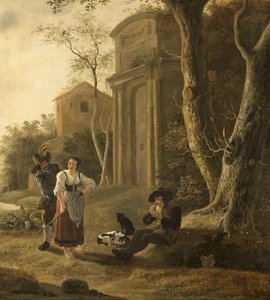
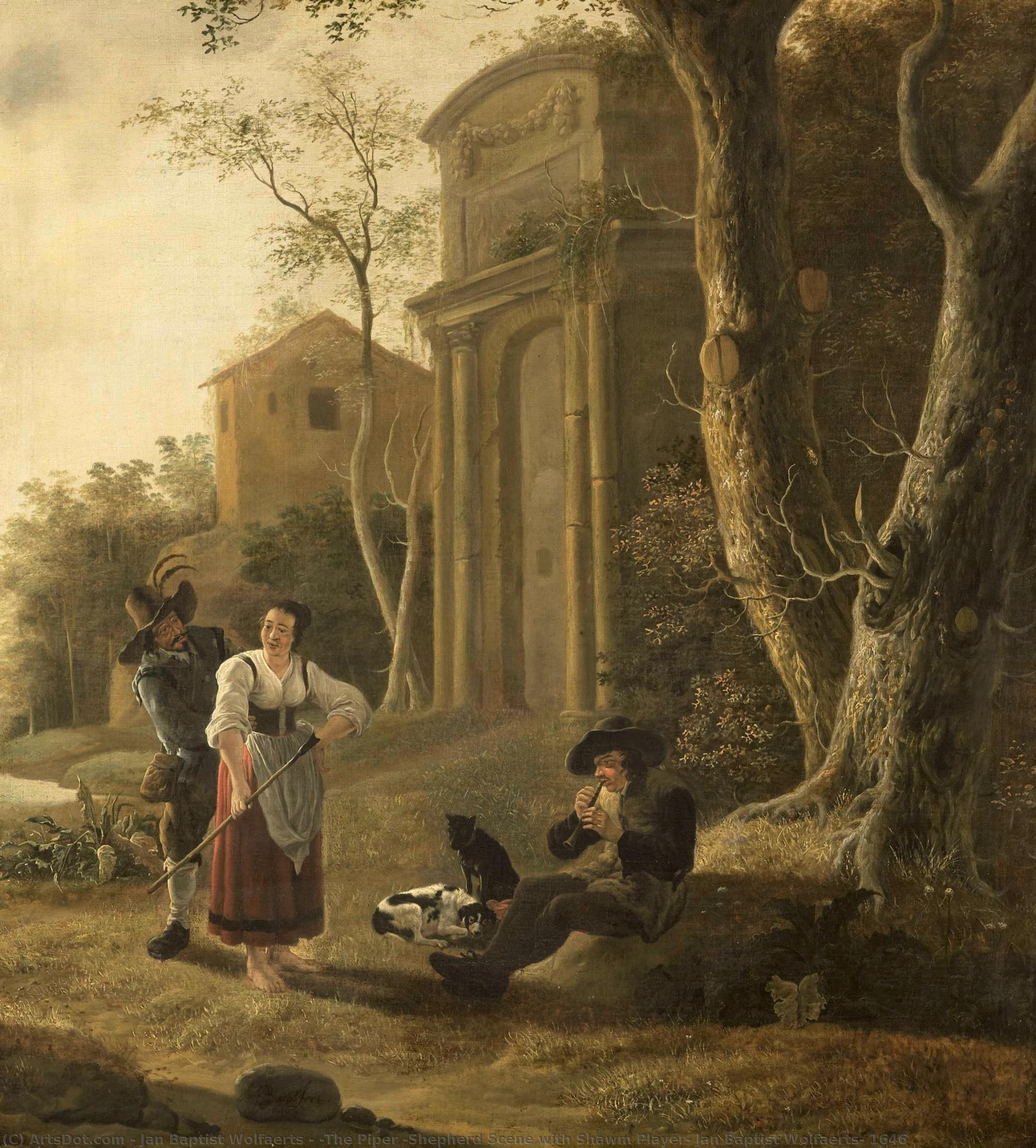
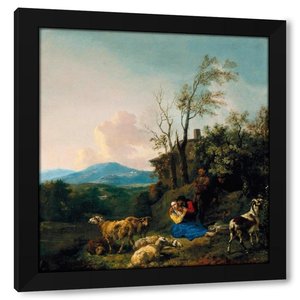
"The Piper (Shepherd Scene with Shawm Player, Jan Baptist Wolfaerts, 1646
 1646
1646 75.0 x 68.0 cm
 Read More
Hand Made Oil Reproduction
Hand-painted oil on canvas in your size and frame, made to order by our artists. ( Buy Print Buy Image)




































Pick from our preset sizes that match the artwork's original proportions.

You may enter your own dimensions to fit a specific frame or space. If your selected size does not match the original image's proportions, we will either crop the artwork or extend the painting with additional hand-painted elements. A digital mockup will be sent for your approval before production begins.
Please note that the on-screen preview does not reflect the actual cropping or extension. Only the mockup will accurately show the final composition.
While custom sizes are available, we recommend selecting a dimension from the predefined list to preserve the original proportions.
After order, ArtsDot.com team will email client for instructions and provide a mockup preview
Worldwide Delivery () in 3/4 weeks instead of standard 5 weeks. (17 August). No compromise on quality.

Free Worldwide Express Shipping

High-Quality Linen Canvas

Full Shipping Insurance

Customs Tax Refund Guarantee

True Color Matching Guarantee

60-Day Return Policy (Defects Only)

100% Money-Back Guarantee

Bulk Discount Offer
 Glass option is only available in size under 110 CM

"The Piper (Shepherd Scene with Shawm Player, Jan Baptist Wolfaerts, 1646
Reproduction Medium
Reproduction Size
-


Total Price
$ 263
Artwork Description
Related Artworks

Artist Biography
Jan Baptist Wolfaerts: A Flemish Shepherd of the Italianate Landscape
Born in Antwerp in 1625, Jan Baptist Wolfaerts emerged as a significant figure in 17th-century Flemish painting, renowned for his evocative pastoral landscapes and masterful depictions of Italianate scenes. His career spanned decades, marked by periods of intense artistic exploration across Europe – from the workshops of Antwerp to the vibrant studios of Rome and Haarlem, ultimately culminating in a life interwoven with both artistic success and personal struggles. Wolfaerts’s work offers a fascinating glimpse into the evolving tastes and artistic currents of his time, blending Flemish tradition with Italianate influences and reflecting the dynamic cultural exchange that characterized the era.
Wolfaerts' early training undoubtedly occurred in Antwerp, likely under the tutelage of his father, Artus Wolfaerts, a respected painter known for his religious and mythological works. This foundational education instilled within him a solid understanding of composition, technique, and subject matter – elements that would later inform his distinctive style. However, it was during the mid-1640s that Wolfaerts embarked on a transformative journey, fueled by an ambition to immerse himself in the artistic heartland of Italy. While definitive proof remains elusive, compelling evidence suggests a trip to Rome via Paris, a period which profoundly shaped his artistic vision. The subsequent appearance of Italianate elements within his early works – particularly between 1644 and 1646 – strongly supports this hypothesis. This exposure to the grandeur of Roman architecture, the vibrancy of Italian light, and the classical ideals of the Renaissance undoubtedly ignited a passion for depicting idyllic landscapes infused with Italian charm.
A Life Marked by Travel and Artistic Evolution
Wolfaerts’s life was characterized by constant movement and adaptation. Following his father's death in 1647, he established himself in Haarlem, joining the esteemed Guild of Saint Luke – a testament to his burgeoning talent. His time in Haarlem proved fruitful, marked by the acquisition of a house on Koningstraat and the birth of a son out of wedlock in 1661. However, his artistic journey was not without its challenges; reports surfaced during the mid-1660s indicating a decline in his mental health, leading to periods of return to Antwerp for respite. This instability is reflected in his repeated moves between Haarlem and Antwerp throughout the latter half of his life.
His professional life also involved dealing with prominent art dealers like Van Meldert in Amsterdam, who regularly sold his works. These sales demonstrate the high regard his paintings held within the artistic community. The presence of his landscapes in the collection of Abraham de Pape, a notable collector and artist himself, further solidified his reputation as a skilled and sought-after painter. Despite these successes, Wolfaerts’s career was punctuated by periods of uncertainty and personal hardship.
The Language of Pastoral Landscapes
Wolfaerts specialized in landscape painting, primarily focusing on pastoral scenes populated with shepherds and their livestock. These weren't merely depictions of rural life; they were carefully constructed narratives imbued with symbolic meaning. The presence of Italianate buildings – villas, fountains, and classical columns – within these landscapes served as a visual reminder of his Italian influences, creating a harmonious blend of Flemish tradition and Renaissance ideals. Wolfaerts skillfully employed light and color to evoke the warmth and tranquility of the countryside, capturing the essence of rural life with remarkable detail and sensitivity.
While primarily known for his idyllic pastoral scenes, Wolfaerts also produced more traditionally Dutch landscapes, characterized by a greater emphasis on naturalistic representation. These works demonstrate a willingness to experiment with different styles and techniques, reflecting the diverse artistic landscape of Haarlem during his time there. Notably, his work was influenced by artists like Nicolaes Berchem and Salomon Rombouts, whose use of light, color, and atmospheric perspective undoubtedly shaped Wolfaerts’s own approach.
Legacy and Historical Significance
Jan Baptist Wolfaerts's legacy lies in his ability to synthesize diverse artistic influences into a uniquely compelling style. His paintings offer a valuable window into the cultural exchange that characterized 17th-century Europe, reflecting the enduring appeal of pastoral themes and the fascination with Italianate aesthetics. While his life was marked by personal challenges, Wolfaerts’s artistic output remains a testament to his talent, adaptability, and unwavering commitment to capturing the beauty and tranquility of the natural world. His works continue to be appreciated for their technical skill, evocative atmosphere, and enduring appeal, solidifying his place as a significant figure in Flemish art history.
jan baptist wolfaerts
1625 - 1687 , Belgium
Quick Facts
- Artistic Movement Or Style: Pastoral landscapes, Italianate art
- Artists Who Influenced This Artist:
- Nicolaes Berchem
- Salomon Rombouts
- Date Of Birth: November 15, 1625
- Date Of Death: Between 1671 and 1687
- Full Name: Jan Baptist Wolfaerts
- Nationality: Flemish
- Notable Artworks:
- The Piper (Shepherd Scene)
- A dune landscape...
- Place Of Birth: Antwerp, Belgium