

 Preview
 Send
Send Share
Share
 Details

 Download
 Similars
 X-Ray
X-Ray Diaporama
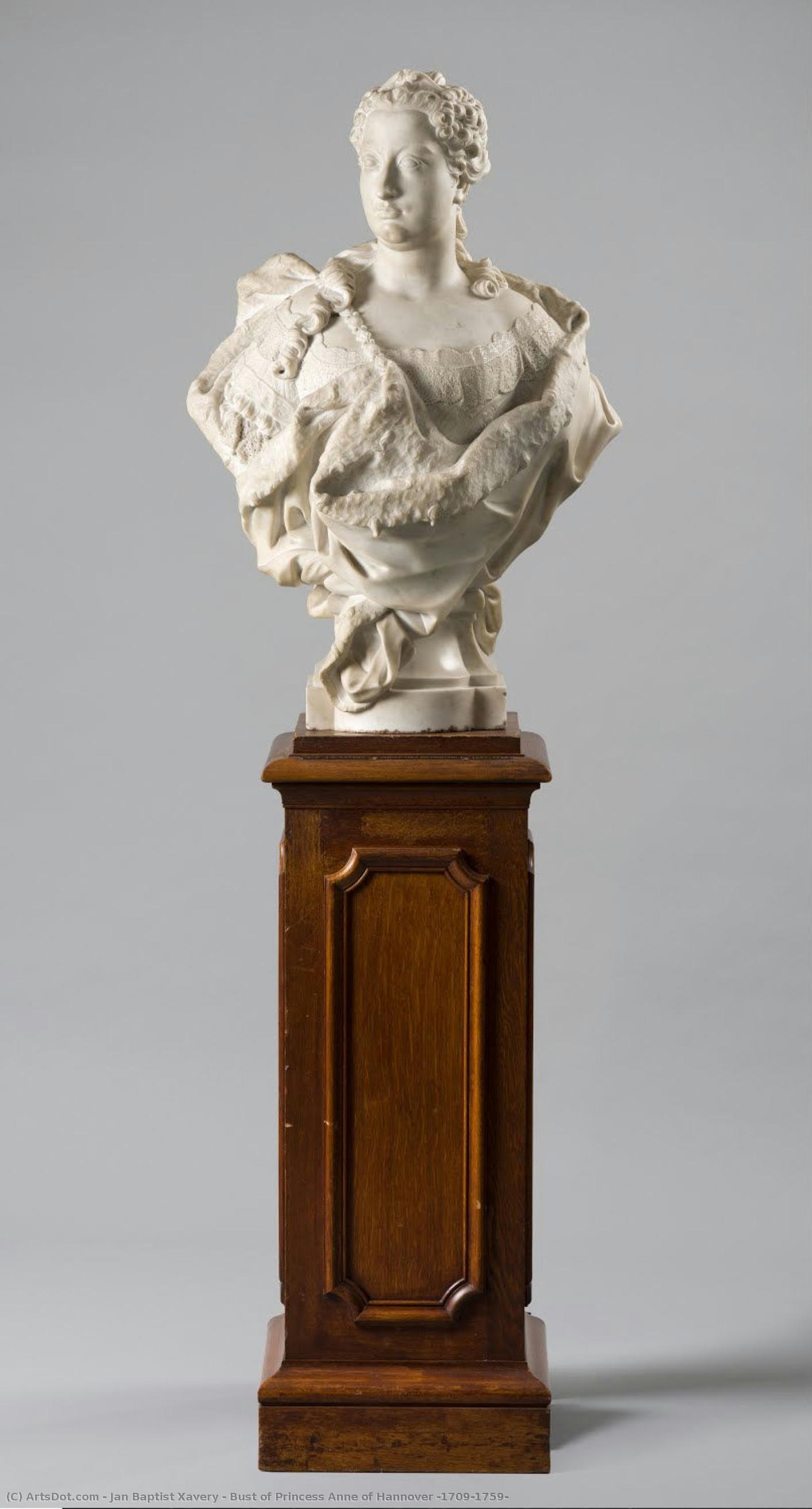
Bust of Princess Anne of Hannover (1709-1759)


 Read More
Purchase a high-resolution, enhanced digital image, far superior to the online preview.
Each file is meticulously prepared by our in-house specialists using advanced tools and expert manual retouching. We ensure every image has exceptional clarity, precise color accuracy, and fine detail.
The final file is delivered via email within 72 hours, optimized for immediate use in professional, editorial, and print environments. This is the same quality trusted by top-tier design studios, publishers, and galleries.
Digital Image
Download a high-resolution file for personal display, printing, and creative projects. ( Buy Print Buy Hand Made Painting)
Included in Every Digital Image Order
Expert Digital Delivery, Guaranteed
When you choose ArtsDot.com, you're not just getting an image - you're receiving a professionally enhanced digital artwork, crafted with precision and backed by a satisfaction guarantee. Here's everything that comes with your order, automatically:

Fast Email Delivery
Your high-resolution digital image file will be emailed to you within 72 hours of ordering - ready for immediate use.

AI-Enhanced Digital File
Your artwork is professionally optimized using advanced AI tools and manual editing, ensuring maximum detail, clarity, and color accuracy.

Free Lifetime Re-Delivery
Accidentally deleted or lost your file? No worries - we'll resend it to you anytime, free of charge.

No Import Fees - Ever
Enjoy your artwork instantly with zero customs, duties, or delivery fees - digital downloads are always tax-free.

Color Accuracy Guarantee
We ensure your digital image reflects the original colors as closely as possible using professional tools and color management.

100-Day Satisfaction Guarantee
If you're not satisfied with your digital image, we'll revise it or refund 100% within 100 days - no questions asked.

100% Money-Back Guarantee
Not satisfied? Get a full refund within 100 days of receiving your digital file - no questions asked.

Bulk Order Discounts
Buy 3 images, save 10% - Buy 5, save 15% - Buy 10+, save 20%. Great for creative projects, galleries, and agencies.
Related Artworks





Artist Biography
Jan Baptist Xavery: The Baroque Sculptor of the Dutch Republic
Jan Baptist Xavery (30 March 1697, in Antwerp – 19 July 1742, in Antwerp) was a Flemish sculptor principally active in the Dutch Republic. He produced portrait busts, large scale statues for residences and gardens, church furniture, wall decorations, tomb monuments as well as small scale statuettes in boxwood, lime wood, ivory and terracotta. The latter were made for elite collectors who liked to admire such objects in the privacy of their homes. He worked on various projects for William IV of Orange-Nassau, the prince of orange who later became the Stadtholder. He is regarded as the leading sculptor active in the Dutch Republic in the first half if the 18th century.- Early Life and Training
- Career and Notable Works
- Style and Influences
- Legacy and Historical Significance
Early Life and Training
Jan Baptist Xavery’s artistic journey began in Antwerp, Belgium, where he was born into a family deeply rooted in sculpture. His father, Albert Xavery, himself a sculptor, instilled in him the foundational skills of craftsmanship and artistic vision. Catharina Maria Herry, his mother, complemented this upbringing with an appreciation for beauty and refinement. Remarkably, Xavery’s brother, Gerardus Josephus, pursued a career as a painter—a testament to the familial encouragement of diverse creative pursuits. Crucially, Xavery's formative years were spent under the tutelage of Michiel van der Voort the Elder, a celebrated sculptor whose workshop in Antwerp served as a crucible for shaping young talent. Van der Voort’s studio produced magnificent Baroque church furniture and statues, exposing Xavery to the highest standards of artistic execution. This early mentorship undoubtedly cemented Xavery's understanding of sculptural technique and aesthetic principles.Career and Notable Works
Xavery’s ambition propelled him beyond Antwerp’s borders in 1719 when he relocated to Vienna, Austria—a city renowned for its artistic patronage and intellectual ferment. Subsequently, he ventured into Italy, immersing himself in the vibrant artistic milieu of Rome and absorbing influences from masters such as Gian Lorenzo Bernini and Caravaggio. This exposure broadened Xavery’s stylistic repertoire and deepened his appreciation for dramatic composition and expressive realism. Returning to The Hague in 1721, Xavery established a prolific career as a sculptor commissioned by influential figures like William IV of Orange-Nassau—the prince who would later ascend to the role of Stadtholder—and Diéderik baron van Leyden. Among his most enduring achievements were monumental statues for William IV’s opulent residence, Huys Ten Bosch, showcasing Xavery's mastery of marble and conveying regal grandeur. He also crafted sculptures for Diéderik baron van Leyden, reflecting the artistic tastes of the Dutch aristocracy. Furthermore, Xavery’s works grace museums across Europe, including the Mauritshuis in The Hague, where his portrait bust of Princess Anne of Hannover stands as a poignant reminder of Baroque elegance and artistic skill. Notable pieces include allegorical figures representing prudentia and justitia for the old city hall of The Hague and chimney pieces like Apollo and the Cumaean Sibyl—a testament to Xavery’s versatility and ability to capture mythological narratives with breathtaking detail.Style and Influences
Xavery's artistic style is undeniably characterized by a harmonious blend of Baroque and Rococo elements, reflecting the prevailing aesthetic currents of his time. Like many sculptors of his era, Xavery embraced the grandeur and theatricality of Baroque sculpture—evident in monumental statues and elaborate ornamentation—while simultaneously incorporating the delicate curves and pastel hues emblematic of Rococo art. His sculptures frequently exhibit intricate detailing, flowing lines, and a palpable sense of movement, conveying emotion and dynamism. Xavery’s artistic sensibilities were profoundly shaped by the legacy of Bernini—whose dynamic drapery and masterful use of light served as an inspiration—and Caravaggio—whose dramatic chiaroscuro technique instilled in him a commitment to capturing psychological intensity. These influences contributed to Xavery's distinctive visual language, cementing his place among the foremost sculptors of the Baroque period.Legacy and Historical Significance
Jan Baptist Xavery’s contribution to Flemish and Dutch art history is substantial. He stands as a pivotal figure in shaping the sculptural landscape of the 18th century—a period marked by artistic innovation and royal patronage. His sculptures embody the ideals of Baroque grandeur and Rococo refinement, reflecting the cultural values of his time. Xavery’s enduring legacy resides not only in his individual masterpieces but also in his role as a teacher and mentor who nurtured the talents of subsequent generations of sculptors. Moreover, his works continue to captivate audiences today—serving as tangible reminders of Antwerp's artistic heritage and demonstrating the transformative power of art to convey emotion and commemorate historical events. His sculptures are housed in prestigious museums across Europe, ensuring that Xavery’s artistic vision persists for centuries to come.
jan baptist xavery
1697 - 1742 , Belgium
Quick Facts
- Artistic Movement Or Style: Baroque & Rococo
- Artists Or Movements Influenced By This Artist: ['Hans Memling']
- Artists Who Influenced This Artist: ['Michiel van der Voort the Elder']
- Date Of Birth: March 30, 1697
- Full Name: Jan Baptist Xavery
- Nationality: Flemish
- Notable Artworks:
- Bust of Princess Anne of Hannover
- Allegorical figures of prudentia and justitia
- Place Of Birth: Antwerp, Belgium