

 Preview
 Send
Send Share
Share
 Details

 Download
 Similars
 X-Ray
X-Ray Diaporama
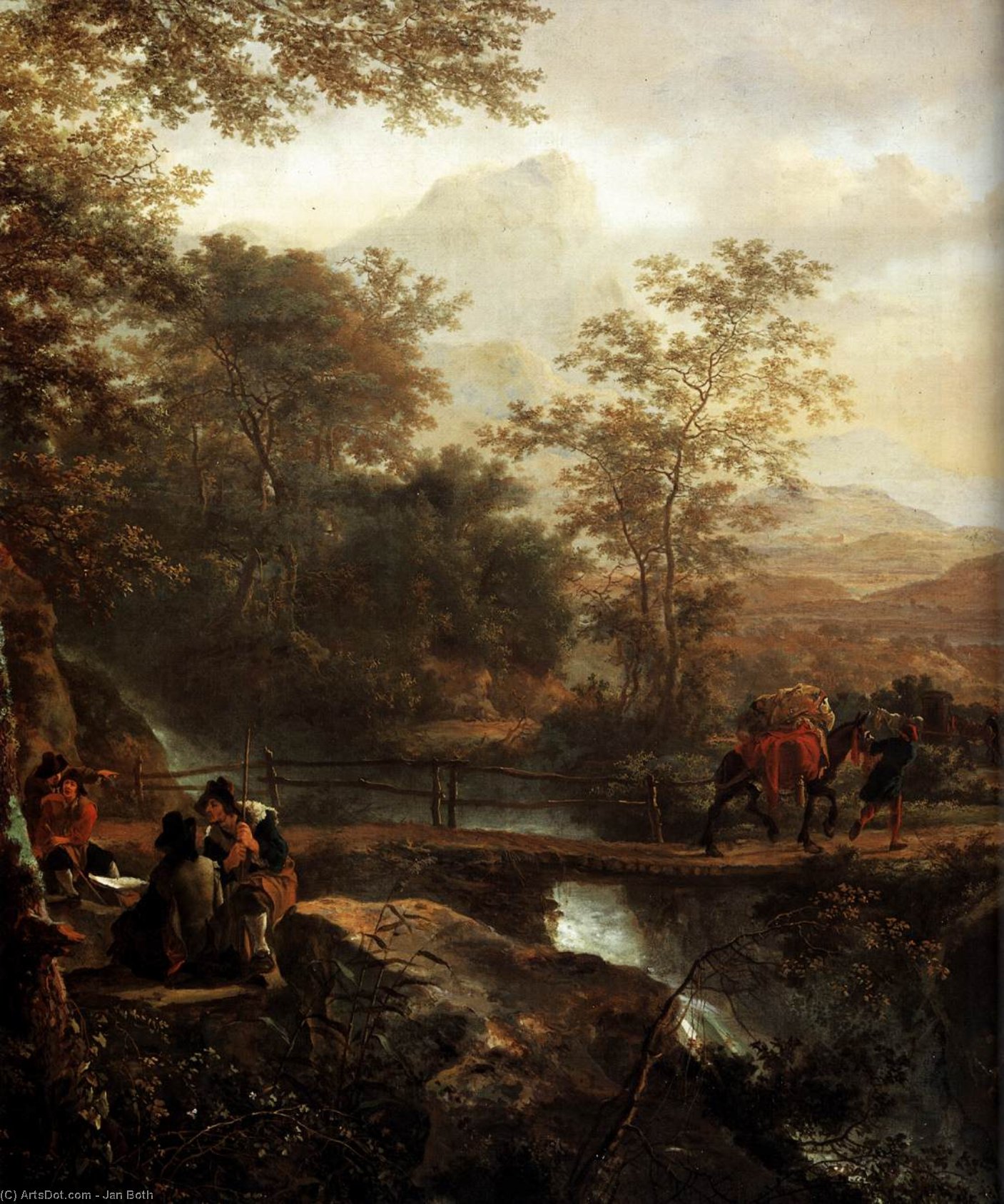
Italian Landscape with Draughtsman (detail)


 Read More
Purchase a high-resolution, enhanced digital image, far superior to the online preview.
Each file is meticulously prepared by our in-house specialists using advanced tools and expert manual retouching. We ensure every image has exceptional clarity, precise color accuracy, and fine detail.
The final file is delivered via email within 72 hours, optimized for immediate use in professional, editorial, and print environments. This is the same quality trusted by top-tier design studios, publishers, and galleries.
Digital Image
Download a high-resolution file for personal display, printing, and creative projects. ( Buy Print Buy Hand Made Painting)
Included in Every Digital Image Order
Expert Digital Delivery, Guaranteed
When you choose ArtsDot.com, you're not just getting an image - you're receiving a professionally enhanced digital artwork, crafted with precision and backed by a satisfaction guarantee. Here's everything that comes with your order, automatically:

Fast Email Delivery
Your high-resolution digital image file will be emailed to you within 72 hours of ordering - ready for immediate use.

AI-Enhanced Digital File
Your artwork is professionally optimized using advanced AI tools and manual editing, ensuring maximum detail, clarity, and color accuracy.

Free Lifetime Re-Delivery
Accidentally deleted or lost your file? No worries - we'll resend it to you anytime, free of charge.

No Import Fees - Ever
Enjoy your artwork instantly with zero customs, duties, or delivery fees - digital downloads are always tax-free.

Color Accuracy Guarantee
We ensure your digital image reflects the original colors as closely as possible using professional tools and color management.

60-Day Satisfaction Guarantee
If you're not satisfied with your digital image, we'll revise it or refund 100% within 60 days - no questions asked.

100% Money-Back Guarantee
Not satisfied? Get a full refund within 60 days of receiving your digital file - no questions asked.

Bulk Order Discounts
Buy 3 images, save 10% - Buy 5, save 15% - Buy 10+, save 20%. Great for creative projects, galleries, and agencies.
Collectible Description
Jan Both: Illuminating Tranquility – A Romanate Vision of Pastoral Beauty
Jan Dirksz Both (1610-1652) stands as one of the most celebrated figures in the Dutch Golden Age landscape movement, a period characterized by an unprecedented flourishing of artistic creativity and intellectual curiosity. Born around 1615/1618 in Utrecht, he was the younger brother of Andries Both, whose father, Dirck Both, practiced glass painting – a craft deeply rooted in Flemish traditions – providing both brothers with formative exposure to meticulous craftsmanship.
Both’s artistic journey began in Utrecht, where he honed his skills alongside his sibling, absorbing techniques from their father's glazing practice. However, it was the pivotal decision to embark on a transformative voyage to Rome around 1638 that truly cemented Both’s reputation as an innovator and propelled him into the orbit of influential artists like Abraham Bloemaert and Gerrit van Honthorst. This Roman sojourn profoundly impacted his artistic sensibilities, fostering a fascination with Italianate style – a movement that sought to emulate the grandeur and luminosity of Renaissance landscapes.
“Italian Landscape with Draughtsman,” housed in the Rijksmuseum’s collection, exemplifies this distinctive aesthetic perfectly. The painting depicts a serene mountainous vista bathed in golden Mediterranean light—a hallmark of Both's oeuvre. A meandering river winds its way through the landscape, punctuated by picturesque cottages and figures engaged in everyday activities. Notably, a draughtsman diligently sketching near a waterfall underscores Both’s deliberate intention to capture the immediacy of observation, mirroring the artistic ideals prevalent during his time.
The Rijksmuseum's description eloquently captures this essence: “Our eye meanders happily through this large painting. If we follow the road and cross the bridge, we see in the distance a well-to-do traveller in a sedan chair. Mules carry his baggage. By placing a draughtsman near the bridge over the waterfall, Both would have us believe that he painted this scene from life, but in reality it was painted at home in his Dutch studio.” This astute observation highlights Both’s masterful ability to synthesize artistic inspiration with meticulous technical execution.
Both's technique is characterized by a remarkable blend of realism and idealized beauty. He employed oil paints on canvas with painstaking detail, meticulously layering glazes to achieve subtle tonal variations and conveying the atmospheric effects of sunlight—a skill honed during his formative years alongside Andries Both.
Furthermore, “Italian Landscape with Draughtsman” resonates deeply with viewers due to its symbolic representation of pastoral tranquility. The idyllic setting evokes notions of harmony between humanity and nature – a theme frequently explored by Baroque artists seeking to inspire contemplation and elevate the spirit. It’s a testament to Both's artistic vision: capturing not merely what he saw, but conveying an emotional response that transcends mere visual depiction.
For those interested in exploring similar artistic expressions, consider examining Mathys Schoevaerdts’s landscapes – influenced by Brueghel the Elder – which similarly celebrate the beauty of rural life and the grandeur of natural vistas. Alternatively, immerse yourself in Jan Both's captivating style at Mauritshuis!
You can find more information about Jan Both on WGA and Mauritshuis.
Related Artworks
Artist Biography
Jan Both (1610-1652): Master of Mediterranean Light
Jan Dirksz Both was a Dutch painter, draughtsman, and etcher who emerged as one of the foremost figures in the burgeoning “Italianate” landscape movement during the Dutch Golden Age. Born around 1615/1618 in Utrecht, he was the younger brother of Andries Both, and their father, Dirck Both, a glass painter or glazier, instilled in them an early appreciation for artistic craftsmanship. While biographical details remain somewhat sparse, scholarly research suggests that Jan’s training encompassed instruction from Abraham Bloemaert and Gerrit van Honthorst, marking him amongst the influential artists of his time.- Early Life & Training: Both's formative years were spent in Utrecht, where he honed his skills alongside his brother Andries, absorbing techniques from their father’s glazing practice – a craft deeply rooted in Flemish traditions.
- Roman Influence: Around 1638, Jan and Andries embarked on a transformative journey to Rome via France, immersing themselves in the artistic fervor of the papal court and encountering luminaries like Bloemaert and Gerrit van Honthorst. This exposure profoundly shaped their stylistic sensibilities.
The Romanate Style & Collaboration with Lorrain
Rome proved to be a crucible for Both’s artistic development. While Andries focused on genre scenes in the manner of Pieter van Laer, Jan dedicated himself primarily to landscape painting—a style heavily indebted to Claude Lorrain—capturing the ethereal beauty of the Mediterranean region with an unparalleled mastery of light and color. Notably, he collaborated closely with Herman van Swanevelt on a monumental project for the Buen Retiro Palace in Madrid, demonstrating his ambition and artistic prowess within the highest echelons of European patronage. This partnership cemented Both’s reputation as a leading landscape innovator.Notable Paintings & Artistic Characteristics
Both's oeuvre is characterized by expansive, imaginative landscapes bathed in a luminous golden light—a hallmark of Lorrain’s style and indicative of the broader artistic currents circulating throughout Europe. His masterpiece, “Landscape with Bandits Leading Prisoners” (Museum of Fine Arts, Boston), exemplifies this aesthetic brilliance. The diagonal road draws the eye into the scene, juxtaposing realistic figures against a backdrop of idyllic vistas populated by meticulously rendered vegetation. Recurring motifs include religious or mythological figures—as seen in “Judgement of Paris” (London, National Gallery)—often executed by fellow Utrecht artists like Cornelis van Poelenburch, underscoring Both’s engagement with humanist ideals and artistic conventions.Legacy & Influence
Jan Both's brother Andries tragically succumbed to illness in Venice during their return journey from Rome. Despite the brevity of his life, Andries established himself as a respected artist specializing in peasant scenes—a genre reflecting the social realities of the time. Jan Both’s artistic legacy extends beyond individual paintings; he served as a teacher to talented pupils like Barend Bispinck and Willem de Heusch, ensuring that his stylistic innovations would continue to inspire generations of artists. His work remains celebrated for its evocative atmosphere, masterful technique, and contribution to the development of Dutch landscape painting—a testament to Both’s enduring influence on European art history.Collections
- Fitzwilliam Museum at the University of Cambridge
- Hermitage, St. Petersburg
- Kunsthistorisches Museum, Vienna
- Louvre, Paris
- Mauritshuis Royal Picture Gallery
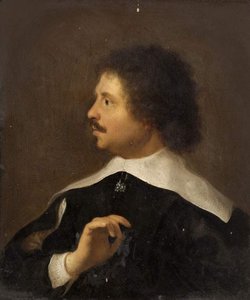
Jan Both
1610 - 1652 , Netherlands
Quick Facts
- Artistic Movement Or Style: Italianate Landscape Painting
- Artists Or Movements Influenced By This Artist: ['Claude Lorrain']
- Artists Who Influenced This Artist:
- Abraham Bloemaert
- Gerrit van Honthorst
- Date Of Birth: Utrecht, Netherlands (1610)
- Date Of Death: August 9, 1652
- Full Name: Jan Dirksz Both
- Nationality: Dutch
- Notable Artworks:
- Saint Anne with the Virgin and Child
- Landscape with bandits leading prisoners
- Judgement of Paris
- Place Of Birth: Utrecht

