

 Preview
 Send
Send Share
Share
 Details

 Download
 Similars
 X-Ray
X-Ray Diaporama
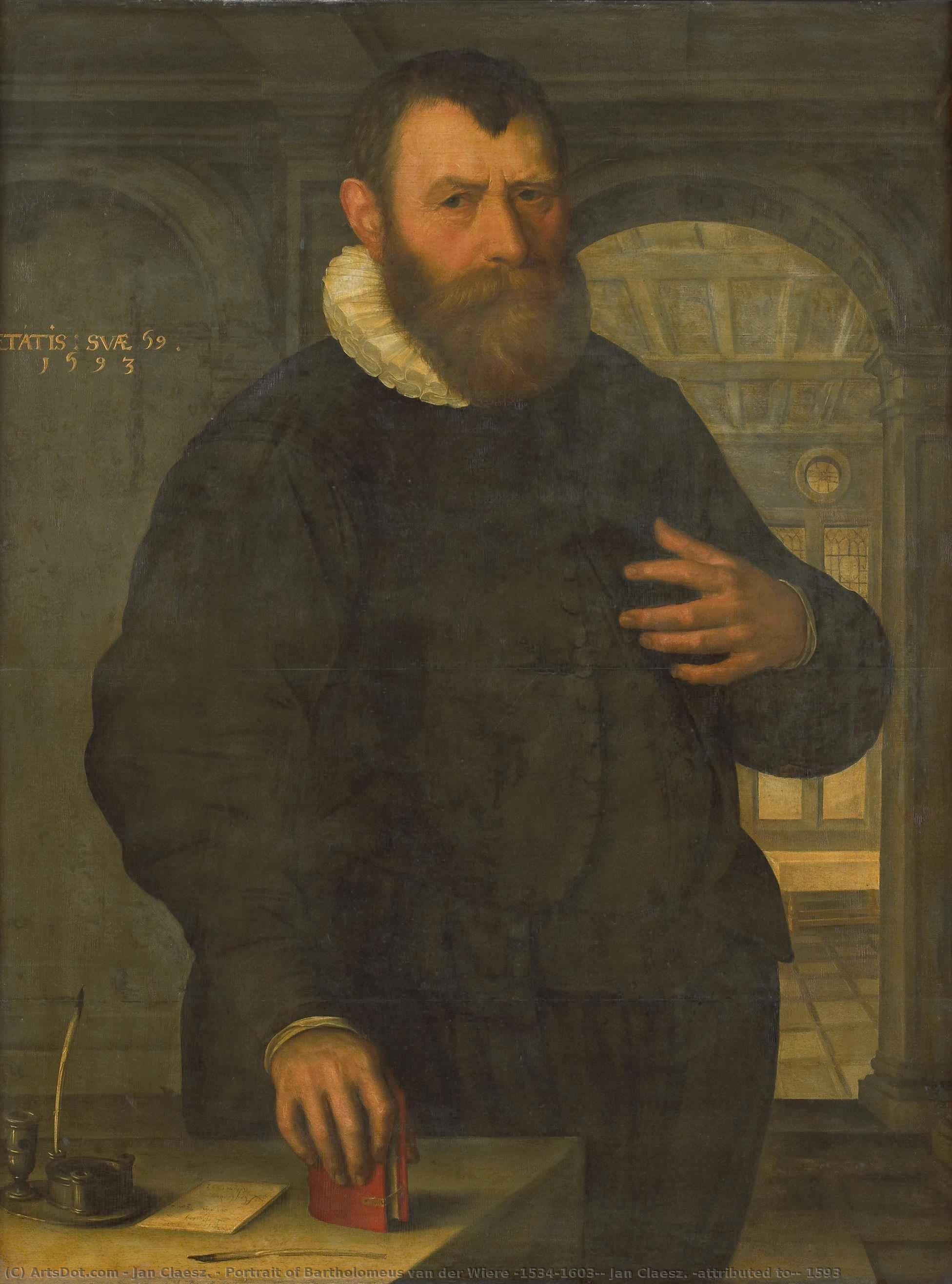
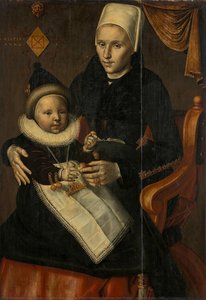
Portrait of Bartholomeus van der Wiere (1534-1603), Jan Claesz. (attributed to), 1593
 1593
1593 107.0 x 82.0 cm
 Read More
Purchase a high-resolution, enhanced digital image, far superior to the online preview.
Each file is meticulously prepared by our in-house specialists using advanced tools and expert manual retouching. We ensure every image has exceptional clarity, precise color accuracy, and fine detail.
The final file is delivered via email within 72 hours, optimized for immediate use in professional, editorial, and print environments. This is the same quality trusted by top-tier design studios, publishers, and galleries.
Digital Image
Download a high-resolution file for personal display, printing, and creative projects. ( Buy Print Buy Hand Made Painting)
Included in Every Digital Image Order
Expert Digital Delivery, Guaranteed
When you choose ArtsDot.com, you're not just getting an image - you're receiving a professionally enhanced digital artwork, crafted with precision and backed by a satisfaction guarantee. Here's everything that comes with your order, automatically:

Fast Email Delivery
Your high-resolution digital image file will be emailed to you within 72 hours of ordering - ready for immediate use.

AI-Enhanced Digital File
Your artwork is professionally optimized using advanced AI tools and manual editing, ensuring maximum detail, clarity, and color accuracy.

Free Lifetime Re-Delivery
Accidentally deleted or lost your file? No worries - we'll resend it to you anytime, free of charge.

No Import Fees - Ever
Enjoy your artwork instantly with zero customs, duties, or delivery fees - digital downloads are always tax-free.

Color Accuracy Guarantee
We ensure your digital image reflects the original colors as closely as possible using professional tools and color management.

60-Day Satisfaction Guarantee
If you're not satisfied with your digital image, we'll revise it or refund 100% within 60 days - no questions asked.

100% Money-Back Guarantee
Not satisfied? Get a full refund within 60 days of receiving your digital file - no questions asked.

Bulk Order Discounts
Buy 3 images, save 10% - Buy 5, save 15% - Buy 10+, save 20%. Great for creative projects, galleries, and agencies.
Related Artworks




Artist Biography
The Quiet Realism of Jan Claesz.
Jan Claesz., a name perhaps less immediately recognizable than some of his Dutch Golden Age contemporaries, nevertheless occupies a significant and fascinating niche within the still life tradition. Born in an unknown location sometime around 1625 – records are frustratingly sparse regarding his early life – Claesz. emerged during a period of unprecedented prosperity and artistic innovation in the Netherlands. This was an era defined by burgeoning mercantile wealth, a fascination with material possessions, and a corresponding desire to capture their fleeting beauty on canvas. While biographical details remain elusive, the very nature of his work speaks volumes about the world he inhabited and the values it held dear. He is currently living, continuing to create works that echo the masters while maintaining a distinctly personal style.A Master of Breakfast Pieces and Beyond
Claesz.’s artistic output centers primarily on still life paintings, particularly what are known as “breakfast pieces.” These were not merely depictions of food; they were meticulously rendered displays of affluence, showcasing silver goblets, porcelain dishes, half-peeled lemons, oysters, bread rolls, and other delicacies. His skill lay in his ability to convey texture – the sheen of polished metal, the delicate translucence of glass, the rough crust of a loaf of bread – with astonishing realism. However, Claesz. wasn’t simply a technical virtuoso; he possessed a keen eye for composition and an understanding of light that imbued his paintings with a quiet dignity. He often arranged objects on a table before a dark background, allowing the luminosity of the still life to take center stage. Beyond breakfast pieces, Claesz also painted vanitas compositions, though these are less common in his oeuvre. These works, reminding viewers of the transience of earthly pleasures, feature symbolic objects like skulls, wilting flowers, and extinguished candles, serving as memento mori – reminders of mortality.Influences and Artistic Development
Identifying Claesz.’s direct influences is a challenge given the limited documentation surrounding his training. However, scholars generally point to the work of Pieter Claesz (no relation), another prominent still life painter active in Haarlem, as a key source of inspiration. Like Pieter Claesz., Jan demonstrates a preference for relatively simple compositions and a restrained palette, favoring browns, ochres, and grays. The influence of Willem Heda, known for his elegant depictions of banquet pieces, is also discernible in Claesz.’s attention to detail and refined technique. Over the course of his career, Claesz’s style evolved from a more tightly controlled realism towards a slightly looser brushstroke and a greater emphasis on atmospheric effects. This development suggests a willingness to experiment and refine his approach, even while remaining firmly rooted in the traditions of Dutch still life painting.Symbolism Subtly Woven
While Claesz.’s paintings are celebrated for their realism, they are not devoid of symbolic meaning. The objects he depicts often carried specific connotations during the 17th century. For example, oysters were associated with sensuality and luxury, while lemons symbolized bitterness and transience. Even the arrangement of objects could be imbued with significance; a half-peeled lemon might represent the fleeting nature of beauty or the decay of earthly pleasures. However, Claesz.’s use of symbolism is typically subtle and understated, avoiding overt moralizing or didacticism. He allows the viewer to interpret the meaning of his paintings based on their own understanding of contemporary iconography, creating works that are both visually appealing and intellectually stimulating. His work invites contemplation rather than imposing a specific message.Historical Significance and Legacy
Jan Claesz.’s contribution to Dutch Golden Age painting lies in his masterful execution of still life compositions and his ability to capture the essence of everyday objects with remarkable realism. While he may not have achieved the same level of fame as some of his contemporaries, his paintings are highly sought after by collectors and museums today. His work provides valuable insights into the material culture and artistic sensibilities of 17th-century Netherlands. He represents a quieter strand within the Dutch still life tradition – one that prioritizes meticulous observation, subtle symbolism, and a profound appreciation for the beauty of the mundane. His continued practice ensures that this legacy will endure, offering future generations a glimpse into a world where even the simplest objects could be transformed into works of art.- Known primarily for breakfast pieces and still life compositions.
- Influenced by Pieter Claesz and Willem Heda.
- Employed subtle symbolism within his realistic depictions.
- Currently living artist, continuing the traditions of Dutch Golden Age painting.
Quick Facts
- Artistic Movement Or Style: Dutch Golden Age Painting
- Date Of Death: Living
- Full Name: Jan Claesz.

