 Preview
 Send
Send Share
Share
 Details

 Download
 Similars
 X-Ray
X-Ray Diaporama
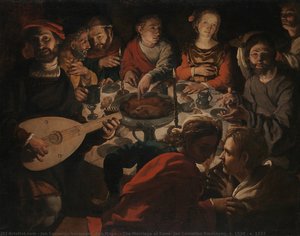
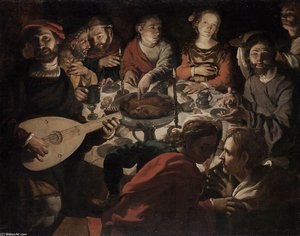
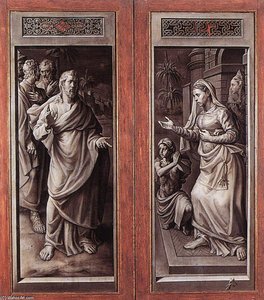
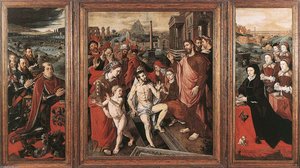
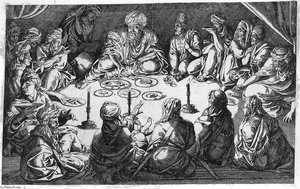
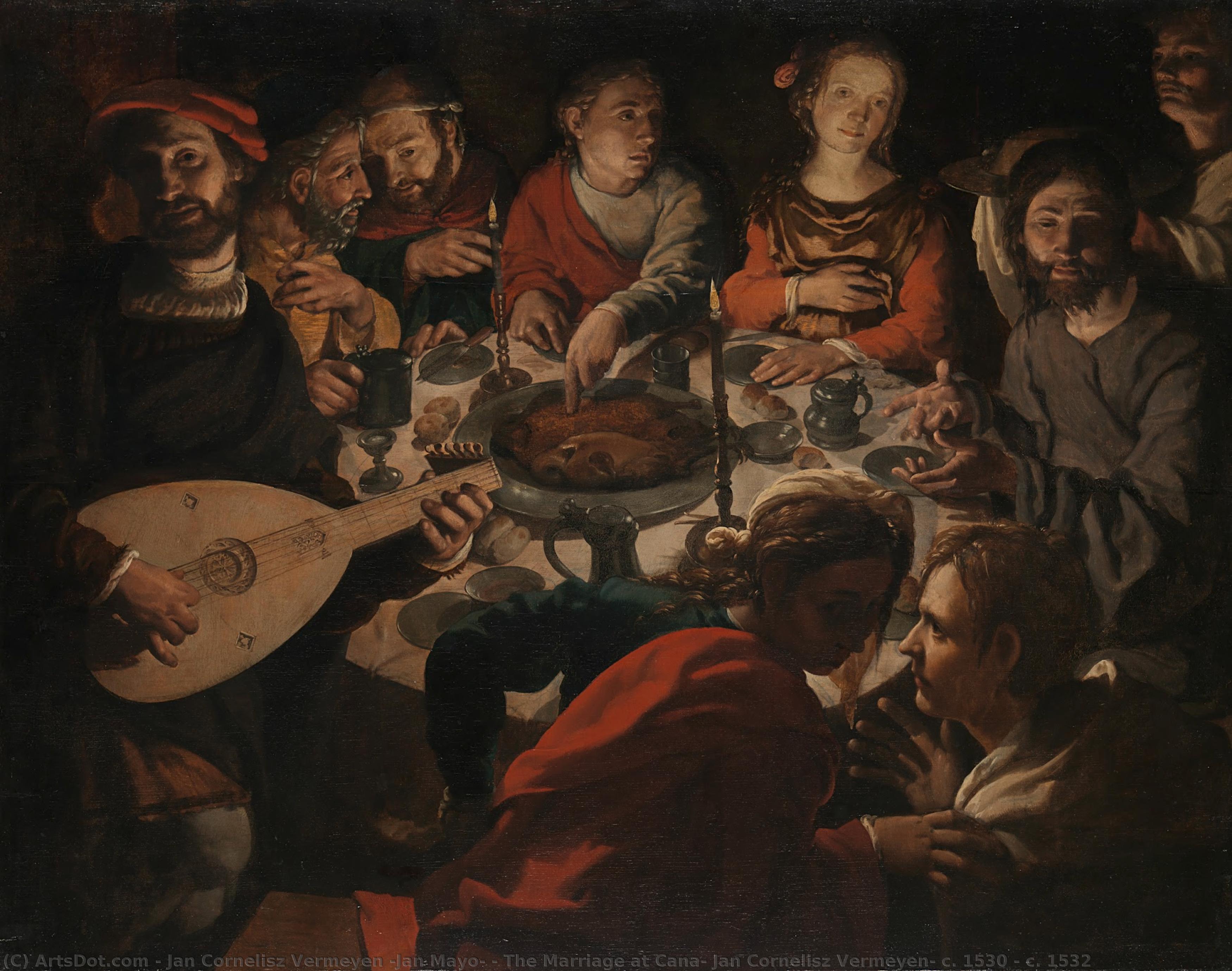
The Marriage at Cana, Jan Cornelisz Vermeyen, c. 1530 - c. 1532


 Read More
Hand Made Oil Reproduction
Hand-painted oil on canvas in your size and frame, made to order by our artists. ( Buy Print Buy Image)




































Pick from our preset sizes that match the artwork's original proportions.

You may enter your own dimensions to fit a specific frame or space. If your selected size does not match the original image's proportions, we will either crop the artwork or extend the painting with additional hand-painted elements. A digital mockup will be sent for your approval before production begins.
Please note that the on-screen preview does not reflect the actual cropping or extension. Only the mockup will accurately show the final composition.
While custom sizes are available, we recommend selecting a dimension from the predefined list to preserve the original proportions.
After order, ArtsDot.com team will email client for instructions and provide a mockup preview
Worldwide Delivery () in 3/4 weeks instead of standard 5 weeks. (26 August). No compromise on quality.

Free Worldwide Express Shipping

High-Quality Linen Canvas

Full Shipping Insurance

Customs Tax Refund Guarantee

True Color Matching Guarantee

60-Day Return Policy (Defects Only)

100% Money-Back Guarantee

Bulk Discount Offer
 Glass option is only available in size under 110 CM

The Marriage at Cana, Jan Cornelisz Vermeyen, c. 1530 - c. 1532
Reproduction Medium
Reproduction Size
-


Total Price
$ 438
Artwork Description
Related Artworks
Artist Biography
The Visual Chronicler of an Empire
Jan Cornelisz Vermeyen, known to history by the evocative monikers Jan Mayo or Barbalonga, was far more than a mere painter; he was a luminous figure who captured the very essence of the Dutch Northern Renaissance. Born around 1503 in the quiet village of Beverwijk, his life unfolded not in provincial isolation, but through a grand odyssey across the most powerful courts of sixteenth-century Europe. As a visual chronicler of empire, Vermeyen’s brush served both as an instrument of profound spiritual expression and a potent tool for imperial propaganda, documenting the majesty of the Habsburg dynasty during an era of unprecedented expansion.His career was defined by a remarkable ability to navigate the highest echelons of power, moving through the corridors of influence alongside the most formidable rulers of his age. Whether capturing the solemnity of a religious feast or the martial splendor of a military campaign, his work synthesized the meticulous realism of the Low Countries with a burgeoning sense of classical grandeur.
A Synthesis of Northern Realism and Italian Elegance
The artistic soul of Vermeyen was forged in the crucible of the Romanism movement. His style represents a masterful dialogue between two worlds, blending the tactile, descriptive textures characteristic of Netherlandish art with the refined aesthetics of Italy. This unique aesthetic DNA was shaped by his exposure to influential masters such as Anton van Gossaert and Pieter Van Scorel. From these pioneers, he absorbed the ability to marry heavy, sculptural forms with a new, rhythmic elegance derived from Mediterranean ideals.This fusion allowed him to develop a technique that was both physically grounded and spiritually light. One can discern in his compositions the anatomical precision and light-filled atmospheres of the Italian masters, yet they are always anchored by a Northern devotion to detail. This duality is perhaps most evident in his mastery of:
- Spatial Illusionism: Creating depth and drama through sophisticated perspective.
- Luminous Palettes: Utilizing light to breathe life into fabric, flesh, and landscape.
- Psychological Nuance: Moving beyond mere likeness to capture the inner character of his subjects.
Legacy in Portraiture and Tapestry
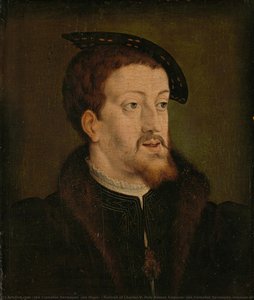
Vermeyen’s professional ascent was inextricably linked to the heights of European power. He earned prestigious positions within the inner circles of the Habsburg Netherlands, serving as a dedicated portraitist for figures such as Archduchess Margaret of Austria and Mary of Hungary. His most iconic depictions, including his portraits of Emperor Charles V, capture more than mere physical likeness; they convey the profound psychological weight of imperial dignity. He even accompanied the Emperor on the military campaign to Tunis in 1535, bringing firsthand witness to the era's grand conquests.Beyond the canvas, his genius extended to the monumental scale of tapestry design. Collaborating extensively with Flemish weavers, he created intricate decorative panels that utilized dramatic storytelling to adorn the palaces and churches of Europe. Through these tapestries, Vermeyen transformed thread into narrative, ensuring that his vision of history and divinity would endure long after the era of the great empires had passed. His legacy remains etched in the very fabric of art history, a testament to an artist who could translate the grandeur of conquest into the eternal language of beauty.
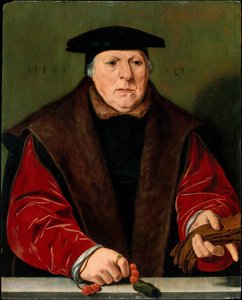
jan cornelisz vermeyen (jan mayo)
1500 - 1559 , Netherlands
Quick Facts
- Artistic Movement Or Style: Renaissance
- Artists Or Movements Influenced By This Artist: ['Baroque']
- Artists Who Influenced This Artist:
- Van Scorel
- Gossaert
- Date Of Birth: 1504
- Full Name: Jan Cornelisz Vermeyen
- Nationality: Dutch
- Notable Artworks:
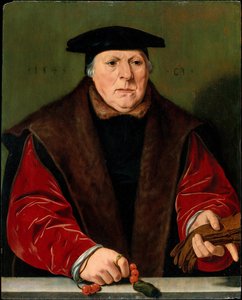
- Portrait of a Man with a Rosary
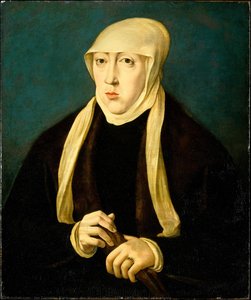
- Mary (1505–1558), Queen of Hungary
- The Marriage at Cana
- Place Of Birth: Beaverwijk, Netherlands
Related Articles

Dutch Baroque Masters: 10 Paintings That Shaped an Era | ArtsDot
Journey through the Golden Age with our guide to the Top 10 Dutch Baroque masterpieces! Explore iconic paintings by Rembrandt, Vermeer & Frans Hals. Find museum-quality art reproductions and elevate your home decor at ArtsDot.com.

Golden Age Reflections: Dutch Baroque Painting & Cultural Innovation
Explore the Dutch Golden Age of painting! Discover key artists like Vermeer & ter Borch, their innovative techniques, and the rich cultural context behind these Baroque masterpieces. Learn about collecting & appreciating this iconic art period.
Jan Steen: A Master of Dutch Genre Painting & the Golden Age
Explore the life & art of Jan Steen, a leading Dutch Golden Age painter renowned for his humorous genre scenes & insightful social commentary. Discover his techniques, legacy, and collecting tips.

Baroque Masterpieces: 10 Paintings That Defined an Era |
Journey through the drama & grandeur of Baroque art! Explore 10 masterpieces by Caravaggio, Rembrandt, Rubens & more. Discover stunning oil paintings, rich colors & timeless stories. Find museum-quality reproductions at .
Jan van Goyen: Master of Dutch Landscape & Atmospheric Perspective
Discover Jan van Goyen, the master of Dutch landscape painting. Explore his subtle technique, atmospheric realism & lasting influence on art history. Learn about this 17th-century pioneer at ArtsDot.