

 Preview
 Send
Send Share
Share
 Details

 Download
 Similars
 X-Ray
X-Ray Diaporama
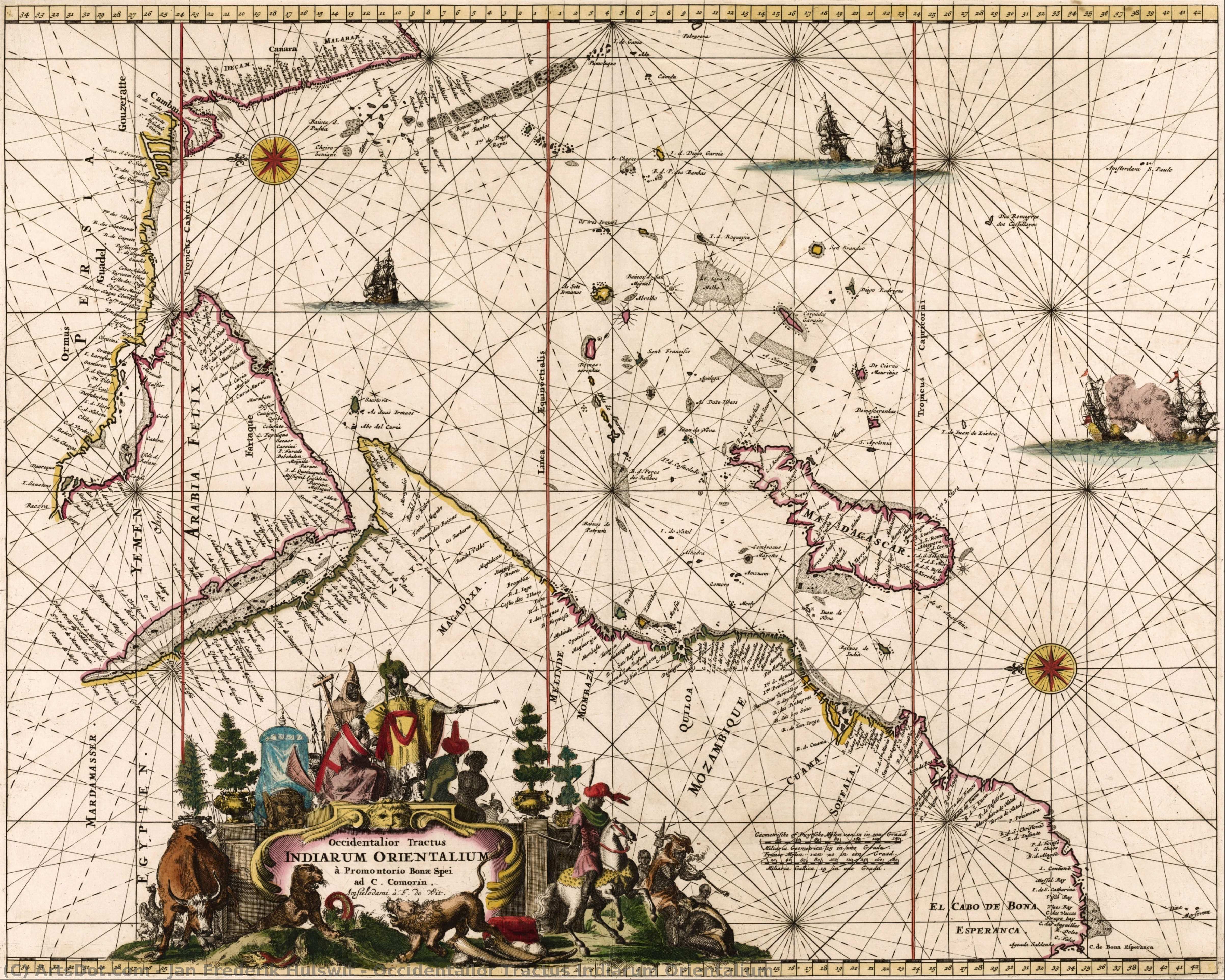
Occidentalior Tractus Indiarum Orientalium

 Read More
Purchase a high-resolution, enhanced digital image, far superior to the online preview.
Each file is meticulously prepared by our in-house specialists using advanced tools and expert manual retouching. We ensure every image has exceptional clarity, precise color accuracy, and fine detail.
The final file is delivered via email within 72 hours, optimized for immediate use in professional, editorial, and print environments. This is the same quality trusted by top-tier design studios, publishers, and galleries.
Digital Image
Download a high-resolution file for personal display, printing, and creative projects. ( Buy Print Buy Hand Made Painting)
Included in Every Digital Image Order
Expert Digital Delivery, Guaranteed
When you choose ArtsDot.com, you're not just getting an image - you're receiving a professionally enhanced digital artwork, crafted with precision and backed by a satisfaction guarantee. Here's everything that comes with your order, automatically:

Fast Email Delivery
Your high-resolution digital image file will be emailed to you within 72 hours of ordering - ready for immediate use.

AI-Enhanced Digital File
Your artwork is professionally optimized using advanced AI tools and manual editing, ensuring maximum detail, clarity, and color accuracy.

Free Lifetime Re-Delivery
Accidentally deleted or lost your file? No worries - we'll resend it to you anytime, free of charge.

No Import Fees - Ever
Enjoy your artwork instantly with zero customs, duties, or delivery fees - digital downloads are always tax-free.

Color Accuracy Guarantee
We ensure your digital image reflects the original colors as closely as possible using professional tools and color management.

60-Day Satisfaction Guarantee
If you're not satisfied with your digital image, we'll revise it or refund 100% within 60 days - no questions asked.

100% Money-Back Guarantee
Not satisfied? Get a full refund within 60 days of receiving your digital file - no questions asked.

Bulk Order Discounts
Buy 3 images, save 10% - Buy 5, save 15% - Buy 10+, save 20%. Great for creative projects, galleries, and agencies.
Related Artworks









Artist Biography
Robert Delaunay: A Pioneer of Color and Rhythm
Born in Paris on April 12, 1885, Robert Delaunay emerged as a pivotal figure in the early 20th-century art world, profoundly influencing movements like Orphism and contributing significantly to the development of abstract art. His journey began not with formal artistic training but through an apprenticeship with a theatrical designer, a formative experience that instilled within him a deep appreciation for visual composition and dramatic effect. This initial foray into design laid the groundwork for his later explorations of color, light, and geometric abstraction – elements he would masterfully integrate into his groundbreaking paintings.
Early influences were diverse, ranging from the Neo-Impressionism of figures like Georges Seurat and Paul Signac to the expressive brushwork of Vincent van Gogh. However, it was a visit to Italy in 1902 that proved particularly transformative. There, he immersed himself in the works of Masaccio, absorbing the artist’s mastery of perspective and form – an influence that would later manifest in his own explorations of spatial relationships within his compositions. Returning to Paris, Delaunay engaged with the vibrant artistic circles of the time, including those associated with Roger Fry and the burgeoning Cubist movement. While he initially experimented with Cubism's fragmentation of forms, he quickly moved beyond its limitations, seeking a more purely expressive language.
A crucial turning point in Delaunay’s career arrived in 1912 when he married Sonia Terk (later Delaunay), a fellow artist who would become his lifelong collaborator and muse. Together, they embarked on a radical exploration of color theory, developing the principles of Orphism – a movement characterized by the use of intense, non-naturalistic colors arranged in rhythmic patterns to evoke emotional responses. This wasn’t merely about decorative color; it was an attempt to capture the essence of light and energy through purely chromatic means. Their studio became a laboratory for experimentation, producing canvases ablaze with vibrant hues and dynamic compositions that seemed to pulsate with life.
The Rise of Orphism and Geometric Abstraction
Delaunay’s artistic innovations were inextricably linked to his intellectual pursuits. He was deeply interested in the science of color, particularly the work of Michel Eugène Chevreul, a 19th-century chemist who had studied how colors interact visually. Delaunay applied Chevreul's theories to his art, meticulously analyzing the relationships between complementary colors and their effects on perception. This scientific approach informed his deliberate use of contrasting hues – reds and greens, blues and oranges – to create visual excitement and a sense of dynamism.
The core of Orphism lay in its geometric abstraction. Delaunay moved beyond representational imagery, focusing instead on the fundamental elements of form—circles, squares, and lines—arranged according to principles of rhythm and balance. These shapes weren’t simply decorative; they were vehicles for expressing emotional states and capturing the essence of light and movement. His paintings from this period, such as *Endless Rhythm* (1913) and *The Eiffel Tower* (1910), exemplify this approach, showcasing a masterful control of color and composition to create visually arresting works.
Delaunay’s work was exhibited alongside other avant-garde artists at the Salon des Indépendants in 1912, where it garnered significant attention. The term "Orphism" – coined by Apollinaire – quickly became associated with his style and that of his wife Sonia. However, Delaunay's artistic vision extended beyond purely abstract forms; he continued to explore figurative subjects, often employing geometric shapes to construct portraits and landscapes.
Later Years and Artistic Legacy
Following World War I, Delaunay’s artistic practice shifted towards a more monumental scale. He collaborated with his wife on large-scale murals for the Aeronautics pavilion at the 1937 Paris International Exposition, utilizing bold colors and dynamic compositions to evoke a sense of speed and movement. During this period, he also experimented with relief paintings, creating textured surfaces that added another layer of visual complexity to his work.
Despite facing challenges during World War II, including the confiscation of his artwork by the Vichy regime, Delaunay continued to paint until his death in Montpellier on October 25, 1941. His legacy is profound and multifaceted. He played a crucial role in shaping the development of abstract art, demonstrating the expressive potential of color and geometric abstraction. His pioneering work influenced generations of artists, including Wassily Kandinsky, Piet Mondrian, and Paul Klee.
Key Characteristics and Influences
- Color Theory:** Delaunay’s work is deeply rooted in the scientific study of color, particularly Chevreul's theories on complementary colors.
- Orphism: A movement he co-founded with Sonia Delaunay, characterized by intense, non-naturalistic colors and rhythmic compositions.
- Geometric Abstraction:** He moved beyond representational imagery to explore the fundamental elements of form—circles, squares, and lines—arranged according to principles of rhythm and balance.
- Influence of Neo-Impressionism: Early works demonstrate an influence from Seurat and Signac’s use of broken color and pointillist techniques.
- Cubism:** While initially exploring Cubism, he quickly moved beyond its fragmentation to develop his own unique style.
Recognition and Historical Significance
Robert Delaunay's work was initially met with mixed reactions, but it gradually gained recognition as a significant contribution to modern art. Today, his paintings are held in major museums around the world, including the Tate Gallery in London and the Museum of Modern Art in New York. His innovative approach to color and composition continues to inspire artists and viewers alike, solidifying his place as a pivotal figure in the history of abstract art.
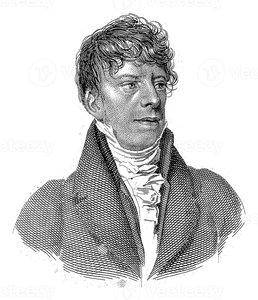
jan frederik hulswit
1885 - 1932 , Netherlands
Quick Facts
- Artistic Movement Or Style: Orphism, Cubism
- Artists Or Movements Influenced By This Artist:
- Sonia Delaunay
- Simultanism
- Artists Who Influenced This Artist:
- Cézanne
- Neo-Impressionism
- Date Of Birth: 1885-04-12
- Date Of Death: 1941-10-25
- Full Name: Robert Delaunay
- Nationality: French
- Notable Artworks:
- Endless Rhythm
- Circular Forms
- Saint-Séverin
- Place Of Birth: Paris, France

