

 Preview
 Send
Send Share
Share
 Details

 Download
 Similars
 X-Ray
X-Ray Diaporama
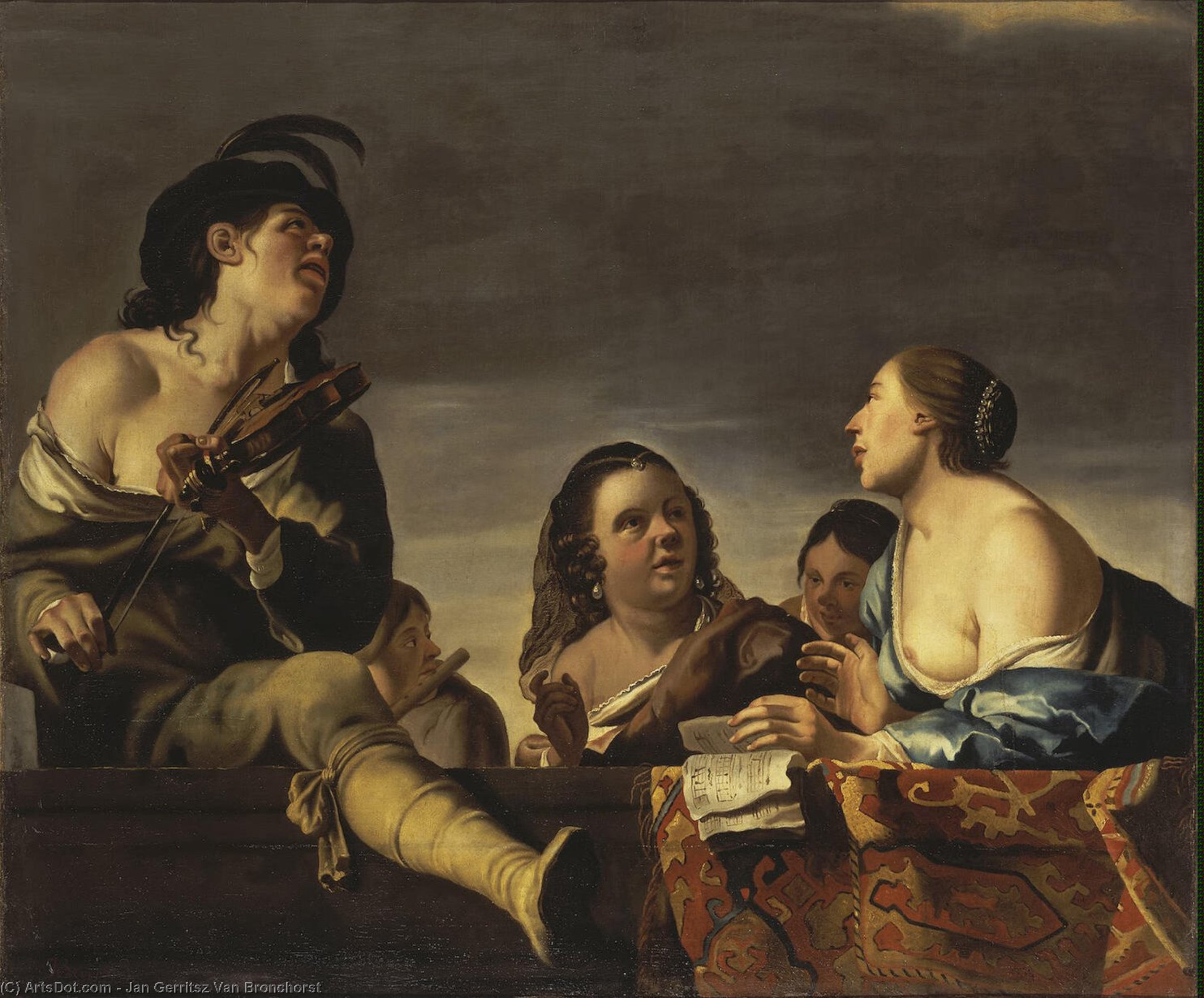
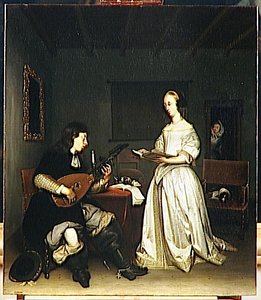
Merry Company with a Violinist
 Oil On Canvas
- WallArt
- Baroque
 1640
1640 120.0 x 148.0 cm
 Hermitage Museum
 Read More
Purchase a high-resolution, enhanced digital image, far superior to the online preview.
Each file is meticulously prepared by our in-house specialists using advanced tools and expert manual retouching. We ensure every image has exceptional clarity, precise color accuracy, and fine detail.
The final file is delivered via email within 72 hours, optimized for immediate use in professional, editorial, and print environments. This is the same quality trusted by top-tier design studios, publishers, and galleries.
Digital Image
Download a high-resolution file for personal display, printing, and creative projects. ( Buy Print Buy Hand Made Painting)
Included in Every Digital Image Order
Expert Digital Delivery, Guaranteed
When you choose ArtsDot.com, you're not just getting an image - you're receiving a professionally enhanced digital artwork, crafted with precision and backed by a satisfaction guarantee. Here's everything that comes with your order, automatically:

Fast Email Delivery
Your high-resolution digital image file will be emailed to you within 72 hours of ordering - ready for immediate use.

AI-Enhanced Digital File
Your artwork is professionally optimized using advanced AI tools and manual editing, ensuring maximum detail, clarity, and color accuracy.

Free Lifetime Re-Delivery
Accidentally deleted or lost your file? No worries - we'll resend it to you anytime, free of charge.

No Import Fees - Ever
Enjoy your artwork instantly with zero customs, duties, or delivery fees - digital downloads are always tax-free.

Color Accuracy Guarantee
We ensure your digital image reflects the original colors as closely as possible using professional tools and color management.

60-Day Satisfaction Guarantee
If you're not satisfied with your digital image, we'll revise it or refund 100% within 60 days - no questions asked.

100% Money-Back Guarantee
Not satisfied? Get a full refund within 60 days of receiving your digital file - no questions asked.

Bulk Order Discounts
Buy 3 images, save 10% - Buy 5, save 15% - Buy 10+, save 20%. Great for creative projects, galleries, and agencies.
Collectible Description
Merry Company with a Violinist: A Window Into Baroque Splendor
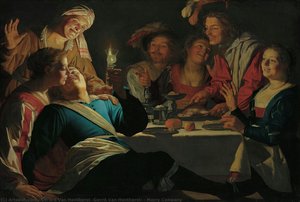
Jan Gerritsz van Bronckhorst’s “Merry Company with a Violinist,” painted circa 1640, stands as a quintessential emblem of the Utrecht Caravaggisti movement—a vibrant testament to artistic innovation that bridged the gap between Mannerism and the burgeoning naturalism characteristic of the Baroque era. More than just a portrait, it's an immersive tableau capturing a moment of convivial engagement within a richly appointed interior, offering viewers a glimpse into the intellectual and social currents shaping seventeenth-century Holland.Subject Matter and Composition
The painting depicts a group of men gathered around a dining table, illuminated by candlelight—a deliberate choice that underscores the importance of domestic life and communal gatherings during this period. At least six figures are discernible, ranging from prominent gentlemen to younger individuals, creating a dynamic interplay of poses and gestures. The central figure is undeniably captivating: a violinist passionately absorbed in his performance, drawing the gaze of those around him. This focal point isn’t merely decorative; it symbolizes musical excellence and elevates the scene beyond simple social interaction. Bronckhorst skillfully employs perspective—though somewhat flattened—to establish depth within the room, guiding the eye across the table towards the violin player and emphasizing the spatial relationships between the figures.Style and Technique: Caravaggisti Influence
Bronckhorst’s style is deeply rooted in the Caravaggesque tradition, evident in his dramatic use of chiaroscuro—the interplay of light and shadow—which imbues the scene with palpable emotion and realism. Unlike Mannerist artists who prioritized stylized elegance and idealized forms, Bronckhorst prioritizes capturing human anatomy and expression with remarkable accuracy. The artist’s brushstrokes are loose and expressive, conveying a sense of immediacy and spontaneity that contrasts sharply with the meticulous detail often found in earlier artistic styles. Notice particularly how light sculpts the faces of the musicians, highlighting their musculature and conveying their concentration—a hallmark of Caravaggio's approach to portraiture. The muted palette—dominated by browns, reds, and golds—further reinforces the Baroque aesthetic, reflecting a preference for earthy tones that evoke warmth and sophistication.Historical Context: Holland’s Golden Age
“Merry Company with a Violinist” emerged during Holland’s “Golden Age,” a period of unprecedented economic prosperity and artistic flourishing fueled by maritime trade and intellectual curiosity. This era witnessed an explosion of creativity across disciplines—painting, sculpture, literature, and music—as artists sought to explore new expressive possibilities while reflecting the values of humanist thought. The depiction of musicians performing in a domestic setting speaks to the importance of cultural pursuits within the upper echelons of Dutch society—a celebration of intellectuality alongside social conviviality. Bronckhorst’s work exemplifies the Baroque fascination with portraying human experience authentically, capturing not just appearances but also inner emotions and psychological states.Symbolism: Music as Embodiment of Virtue
The violin itself carries significant symbolic weight within Baroque art. It represents musical excellence—a virtue prized during this period—and symbolizes harmony and balance. The violinist’s intense focus embodies the pursuit of knowledge and contemplation, aligning with humanist ideals that championed reason and observation. Furthermore, the candlelight illuminates the scene, symbolizing divine grace and enlightenment—a common motif in Baroque paintings designed to inspire awe and reverence. Bronckhorst's masterful composition elevates this seemingly simple portrait into a profound meditation on human connection and artistic aspiration.Emotional Impact: Capturing Human Essence
Ultimately, “Merry Company with a Violinist” succeeds in conveying a powerful emotional resonance—a palpable sense of warmth, engagement, and intellectual stimulation. The artist’s skillful rendering of facial expressions captures the nuances of human emotion, inviting viewers to contemplate the complexities of human experience. Bronckhorst's work transcends mere representation; it aspires to evoke feeling, transporting us back to a moment in time when art served as a conduit for conveying moral values and celebrating the beauty of human interaction—a legacy that continues to inspire admiration centuries later.Related Artworks

Artist Biography
Santi di Tito: A Counterpoint to Mannerism
Santi di Tito (1603 – 1661) emerged from the vibrant, tumultuous artistic landscape of late Renaissance and early Baroque Rome, a period defined by intense stylistic debate. His life and career represent a fascinating case study in navigating evolving artistic conventions, ultimately forging a distinctive style that stands as a crucial bridge between Mannerism and the burgeoning naturalism of the Baroque. Born in Sansepolcro, a small town in Umbria, Santi’s early training remains somewhat shrouded in mystery, with accounts suggesting influences from figures like Bronzino and Baccio Bandinelli, though definitive proof is elusive. This lack of clear lineage contributed to his unique artistic trajectory – one that deliberately distanced itself from the established norms of the time.Early Career and Roman Apprenticeship
Santi’s journey to Rome in 1558 marked a pivotal moment, placing him within the heart of the city's artistic ferment. He spent nearly a decade working alongside Giovanni de’ Vecchi and Niccolò Circignani on monumental frescoes within the Palazzo Salviati and the Sala Grande of the Belvedere at the Vatican – projects that showcased the grandeur and complexity of Mannerist painting. These early commissions exposed Santi to the prevailing stylistic trends, characterized by elongated figures, complex spatial arrangements, and a deliberate emphasis on elegance and refinement. However, rather than simply absorbing these influences, Santi began to subtly reshape them, introducing a greater sense of naturalism and a more restrained palette. The frescoes in the Belvedere, particularly *Homage of the People*, reveal his growing interest in classical forms and a desire for clarity and balance – qualities that would become hallmarks of his later work.The Studiolo of Francesco I: A Defining Period
Santi’s most significant contribution to the Roman art scene occurred during his tenure at the Palazzo Vecchio, where he was commissioned to decorate the *Studiolo* (a private study) of Francesco I de' Medici, Grand Duke of Tuscany. This project proved transformative, solidifying Santi’s distinctive style and establishing him as a leading figure in the Counter-Mannerist movement. The two paintings created for this space – *Sisters of Phaeton* and *Hercules and Iole* – exemplify his innovative approach. Unlike the crowded, theatrical compositions typical of Mannerism, Santi's works are characterized by a remarkable clarity of form, a carefully considered use of light and shadow, and a focus on idealized beauty. He deliberately avoided the excessive ornamentation and artificiality that had become associated with Mannerist painting, opting instead for a more restrained and harmonious aesthetic. This shift was consciously intended as a reaction against the prevailing *maniera* of artists like Bronzino and Federico Zuccari, whom he viewed as overly elaborate and lacking in genuine naturalism.A Reformist Style: Embracing Classical Ideals
Santi’s artistic philosophy can be understood within the broader context of the Counter-Reformation. The Catholic Church was actively seeking to reform its image and promote a more accessible form of religious art, one that emphasized clarity, piety, and emotional engagement. Santi's work reflects this desire for renewal, moving away from the complex intellectualism of Mannerism towards a more direct and emotionally resonant style. He drew inspiration from classical antiquity, particularly the works of Raphael, seeking to emulate his sense of grace, harmony, and balance. This commitment to classical ideals is evident in his careful attention to proportion, his use of idealized figures, and his avoidance of excessive detail. As S. J. Freedberg noted, Santi’s style was “Raphaelesque,” a deliberate attempt to recapture the perceived purity and elegance of Raphael's art.Later Works and Legacy
Following his return to Florence in 1564, Santi continued to produce significant works throughout his career, including altarpieces for Santa Croce and frescoes for Volterra Cathedral. His *Resurrection of Lazarus* and *Supper at Emmaus*, particularly the latter, demonstrate his ability to convey profound emotion through subtle gestures and carefully rendered details. Despite his artistic achievements, Santi faced considerable financial difficulties, ultimately declaring bankruptcy in 1662. He died in poverty in 1661, largely unrecognized during his lifetime. However, his work gradually gained recognition in the 19th century, and today he is considered one of the most important figures in the Counter-Mannerist movement – a pivotal artist who helped to shape the course of European painting. His legacy lies not only in his individual masterpieces but also in his courageous challenge to established artistic conventions and his unwavering commitment to classical ideals.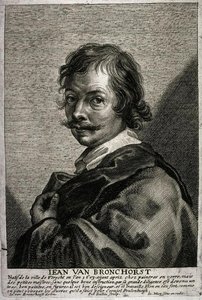
jan gerritsz van bronchorst
1603 - 1661 , Netherlands
Quick Facts
- Artistic Movement Or Style: Landscape painting
- Artists Or Movements Influenced By This Artist:
- Terborch
- Metsu
- Artists Who Influenced This Artist: ['Rafel and Jochem Camphuysen']
- Date Of Birth: 1603/1604
- Date Of Death: 1677
- Full Name: Aert van der Neer
- Nationality: Dutch
- Notable Artworks:
- Moonlit Landscape
- Winter in Holland
- Place Of Birth: Amsterdam, Netherlands

