

 Preview
 Send
Send Share
Share
 Details

 Download
 Similars
 X-Ray
X-Ray Diaporama
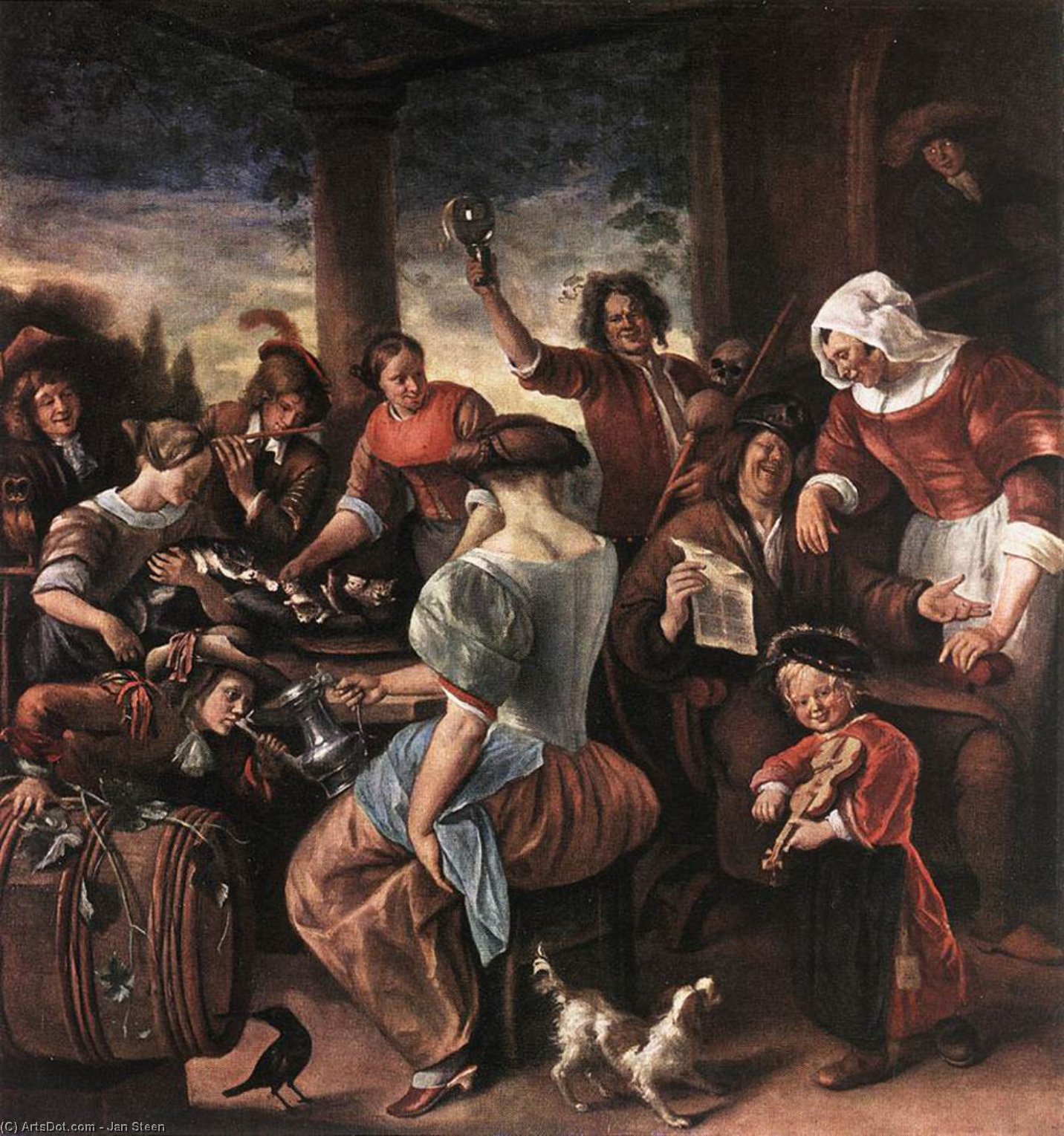
A Merry Party
 Acrylic On Canvas
- WallArt
- Baroque Humor
 1660
1660 150.0 x 148.0 cm
 Szépmûvészeti Múzeum
 Read More
Purchase a high-resolution, enhanced digital image, far superior to the online preview.
Each file is meticulously prepared by our in-house specialists using advanced tools and expert manual retouching. We ensure every image has exceptional clarity, precise color accuracy, and fine detail.
The final file is delivered via email within 72 hours, optimized for immediate use in professional, editorial, and print environments. This is the same quality trusted by top-tier design studios, publishers, and galleries.
Digital Image
Download a high-resolution file for personal display, printing, and creative projects. ( Buy Print Buy Hand Made Painting)
Included in Every Digital Image Order
Expert Digital Delivery, Guaranteed
When you choose ArtsDot.com, you're not just getting an image - you're receiving a professionally enhanced digital artwork, crafted with precision and backed by a satisfaction guarantee. Here's everything that comes with your order, automatically:

Fast Email Delivery
Your high-resolution digital image file will be emailed to you within 72 hours of ordering - ready for immediate use.

AI-Enhanced Digital File
Your artwork is professionally optimized using advanced AI tools and manual editing, ensuring maximum detail, clarity, and color accuracy.

Free Lifetime Re-Delivery
Accidentally deleted or lost your file? No worries - we'll resend it to you anytime, free of charge.

No Import Fees - Ever
Enjoy your artwork instantly with zero customs, duties, or delivery fees - digital downloads are always tax-free.

Color Accuracy Guarantee
We ensure your digital image reflects the original colors as closely as possible using professional tools and color management.

60-Day Satisfaction Guarantee
If you're not satisfied with your digital image, we'll revise it or refund 100% within 60 days - no questions asked.

100% Money-Back Guarantee
Not satisfied? Get a full refund within 60 days of receiving your digital file - no questions asked.

Bulk Order Discounts
Buy 3 images, save 10% - Buy 5, save 15% - Buy 10+, save 20%. Great for creative projects, galleries, and agencies.
Collectible Description
Jan Havickszoon Steen’s “A Merry Party”: A Window Into Seventeenth Century Dutch Life
Jan Havickszoon Steen (1626 – 1679) stands apart from his contemporaries in the Dutch Golden Age as a painter who prioritized capturing the vibrancy and humor inherent in ordinary human experience. Unlike many artists focused on grand mythological narratives or historical portraits, Steen dedicated himself to depicting scenes of domestic life—farmers’ families, tavern gatherings, schoolrooms—infused with psychological insight and subtly moral lessons. This distinctive approach cemented his reputation as one of the most original voices of his era and profoundly influenced Baroque art. Born in Leiden, Netherlands, Steen's early artistic training was somewhat unconventional for the time; he apprenticed under Hendrick Jacobsz. Stoffels, a painter known for portraits and landscapes, providing him with foundational skills but also exposing him to a stylistic tradition that would later inform his own distinctive style. However, Stoffels’ influence instilled in Steen a meticulous attention to detail—a characteristic that would become central to Steen's artistic vision. Steen’s oeuvre is remarkable not for its grand scale or opulent grandeur, but rather for its ability to distill the essence of everyday life onto canvas with astonishing accuracy and emotional resonance. He eschewed the formal conventions favored by other artists of his time, opting instead for a looser brushstroke technique that conveyed movement and spontaneity—a deliberate rejection of academic idealism in favor of realism grounded in observation. This stylistic choice aligns perfectly with the burgeoning Baroque aesthetic, which sought to evoke emotion and capture dramatic moments through heightened color palettes and dynamic compositions. “A Merry Party,” painted circa 1660, exemplifies Steen’s masterful blend of technique and psychological portrayal. The painting depicts a bustling tavern scene—a common subject for genre painters during the seventeenth century—where patrons engage in lively conversation and revelry amidst copious amounts of drink. Steen skillfully utilizes chiaroscuro—the dramatic interplay between light and shadow—to sculpt figures and create depth, drawing viewers into the immersive atmosphere of the tavern. Notice how Steen’s brushstrokes capture not only the physical appearance of the individuals but also their expressions and gestures, conveying a palpable sense of merriment and camaraderie. The painting's symbolism is equally compelling. The dog prominently featured in the composition represents loyalty and companionship—values deeply cherished within Dutch society during this period. Similarly, the bird perched atop one of the chairs symbolizes freedom and aspiration. However, Steen’s genius lies not merely in representing these symbols but in subtly undermining their idealized connotations. The drunken revelers are depicted with a disconcerting lack of decorum, highlighting the darker side of human behavior—a commentary on societal hypocrisy that resonates powerfully even today. “A Merry Party” transcends mere depiction; it invites contemplation about the complexities of human relationships and the pervasive influence of social norms. Steen’s enduring legacy rests upon his ability to transform commonplace scenes into profound explorations of human psychology and moral conscience—a testament to his singular artistic vision and a cornerstone of Baroque art history.- Artist: Jan Havickszoon Steen
- Born Year: 1626
- Death Year: 1679
- Birth City: Leiden
- Birth Country: Netherlands
Additional Research Links:
Artwork Details:
- Title: A Merry Party
- Artist: Jan Havickszoon Steen
- Date: 1660
- Size: 150 x 148 cm
Style & Technique:
Genre Painting; Baroque Style; Chiaroscuro Technique; Loose Brushstroke Technique;
Related Artworks
Artist Biography
A Master of the Human Comedy
Jan Havickszoon Steen, a name synonymous with the vibrant pulse of the Dutch Golden Age, possessed a rare ability to transform the mundane into the monumental. Born in Leiden around 1626 into a well-to-do Catholic family, Steen’s early life was steeped in the sensory richness of his father’s brewery and the bustling atmosphere of the Red Halberd tavern. This upbringing provided him with an intimate, lifelong window into the social fabric of the Netherlands, from the boisterous laughter of peasants to the structured domesticity of the middle class. While many of his contemporaries sought prestige through grand historical or mythological allegories, Steen found his calling in the much more relatable—and often much more chaotic—realities of everyday life.
His artistic journey was shaped by a diverse array of influences that allowed him to develop a style both technically rigorous and emotionally resonant. Though official records of his apprenticeship are elusive, contemporary accounts suggest he drew wisdom from masters such as Jan van Goyen, Nicolaas Knüpfer, and Adriaen van Ostade. These mentors provided the foundational skills in landscape and portraiture that Steen would eventually infuse with his own inimitable wit. He held a profound admiration for Frans Hals, whose loose, energetic brushwork and psychological vitality are echoed in Steen’s own ability to capture a fleeting moment of mischief or melancholy.
The Art of Narrative and Moral Nuance
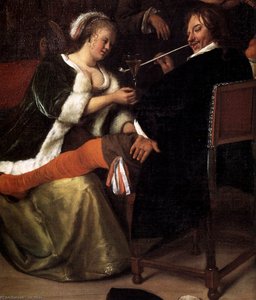
To look upon a Jan Steen painting is to enter a stage where every character, every spilled glass of wine, and every discarded letter tells a story. He was a master of genre painting, a movement that flourished during the 17th century, yet he elevated it through a sophisticated use of chiaroscuro and symbolic storytelling. His canvases are rarely just depictions of scenes; they are complex tapestries of social commentary. In works such as The Doctor's Visit or Quack Doctor, Steen utilizes meticulous detail—the texture of a rustic sleeve, the glint of light on a ceramic jug—to ground his narratives in a palpable reality. Yet, beneath this surface realism lies a sharp, satirical edge.
Steen’s genius lay in his ability to use humor as a vehicle for moral instruction. He often depicted scenes of "disorder"—rowdy tavern gatherings, messy households, or boisterful celebrations—not merely to entertain, but to prompt reflection on the consequences of folly and excess. His paintings frequently serve as cautionary tales regarding piety and decorum, using the chaos of a Merry Party to mirror the potential chaos of an undisciplined soul. This duality—the ability to make the viewer laugh while simultaneously inviting them to contemplate virtue—is what distinguishes his oeuvre from the more straightforwardly observational works of his peers.
Legacy and the Evolution of Style
As Steen’s career progressed, his artistic vision underwent a subtle yet significant evolution. His earlier compositions often featured more grotesque or exaggerated figures, leaning heavily into the tradition of much rougher, peasant-focused genre scenes. However, as the tastes of the Dutch Republic shifted toward greater elegance and refinement, so too did his brush. In his later years, the figures in his paintings became more individualized and graceful, the color palettes grew more subtle, and his compositions achieved a newfound compositional poise. This transition reflects not only his personal growth as an artist but also the changing cultural landscape of the late 17th century.
The historical significance of Jan Steen cannot be overstated. He remains one of the most beloved figures of the Baroque era because he captured the very essence of humanity: our capacity for joy, our penchant for error, and our shared domestic struggles. His influence stretched far beyond the borders of Leiden, leaving an indelible mark on the development of European genre painting. Today, his works continue to captivate audiences worldwide, offering a timeless window into a period of unparalleled artistic achievement and reminding us that there is profound beauty and wisdom to be found in the most ordinary of moments.
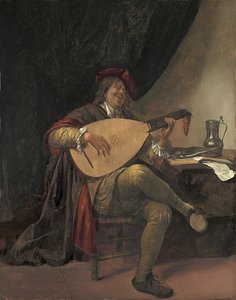
jan havickszoon steen
1626 - 1679 , Netherlands
Quick Facts
- Artistic Movement Or Style: Dutch Golden Age Genre Painting
- Artists Or Movements Influenced By This Artist: Baroque Art
- Date Of Birth: Leiden, Netherlands (1626)
- Full Name: Jan Havickszoon Steen
- Nationality: Dutch
- Notable Artworks:
- John the Baptist Preaching
- Skittle Players outside an Inn
- The Severe Teacher
- Place Of Birth: Leiden

