 Preview
 Send
Send Share
Share
 Details

 Download
 Similars
 X-Ray
X-Ray Diaporama
 Stats
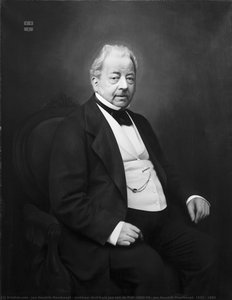
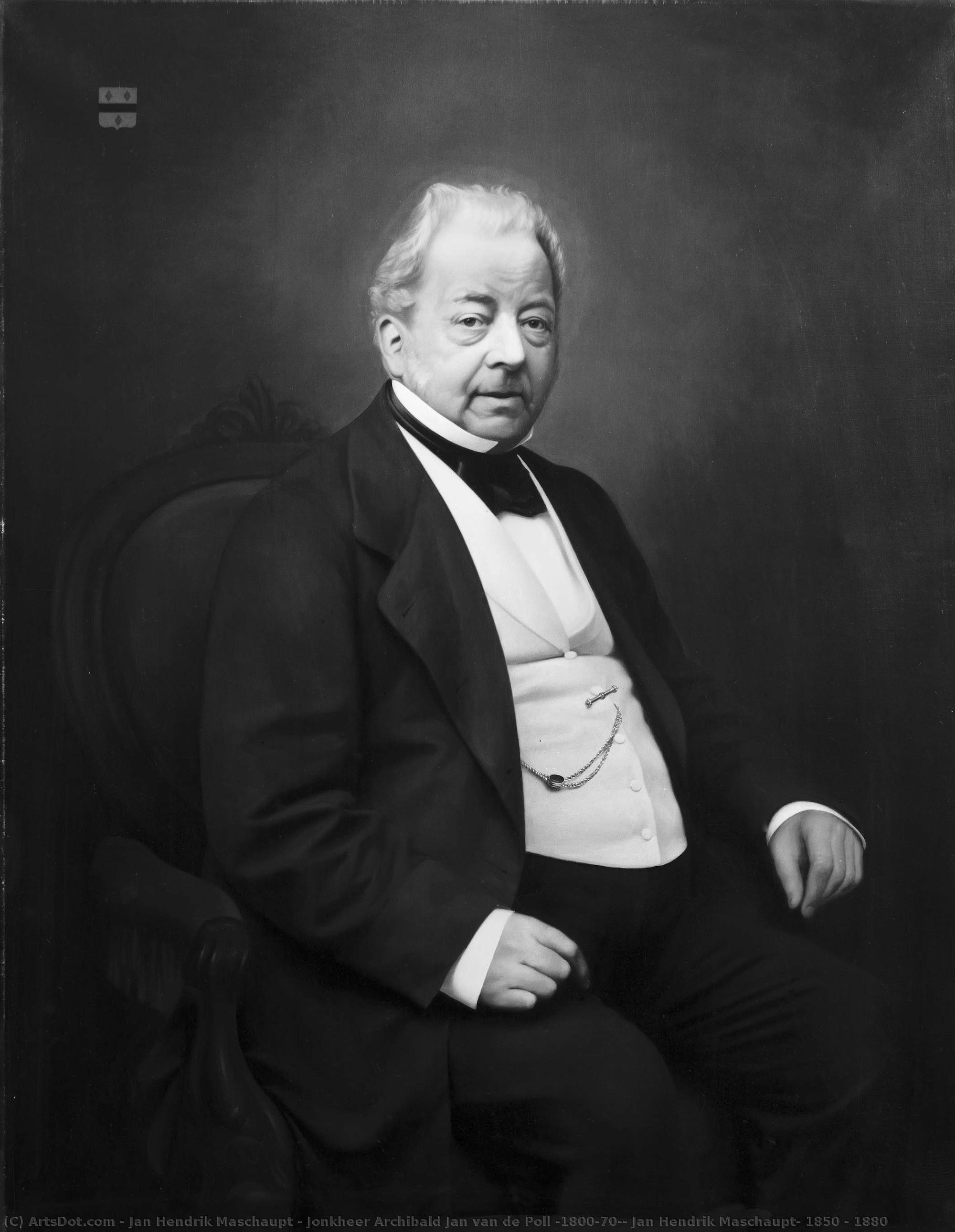
StatsJonkheer Archibald Jan van de Poll (1800-70), Jan Hendrik Maschaupt, 1850 - 1880
 1880
1880 125.0 x 96.0 cm
 Read More
Hand Made Oil Reproduction
Hand-painted oil on canvas in your size and frame, made to order by our artists. ( Switch to Print Switch to Digital Image)




































Pick from our preset sizes that match the artwork's original proportions.

You may enter your own dimensions to fit a specific frame or space. If your selected size does not match the original image's proportions, we will either crop the artwork or extend the painting with additional hand-painted elements. A digital mockup will be sent for your approval before production begins.
Please note that the on-screen preview does not reflect the actual cropping or extension. Only the mockup will accurately show the final composition.
While custom sizes are available, we recommend selecting a dimension from the predefined list to preserve the original proportions.
After order, ArtsDot.com team will email client for instructions and provide a mockup preview
Worldwide Delivery () in 3/4 weeks instead of standard 5 weeks. (12 September). No compromise on quality.

Free Worldwide Express Shipping

High-Quality Linen Canvas

Full Shipping Insurance

Customs Tax Refund Guarantee

True Color Matching Guarantee

100-Day Return Policy (Defects Only)

100% Money-Back Guarantee

Bulk Discount Offer
 Glass option is only available in size under 110 CM

Jonkheer Archibald Jan van de Poll (1800-70), Jan Hendrik Maschaupt, 1850 - 1880
Reproduction Medium
Reproduction Size
-


Total Price
$ 263
Related Artworks










Artist Biography
Jan Hendrik Maschaupt: A Portraitist of Amsterdam’s Golden Age
Jan Hendrik Maschaupt (1826 – 1903) stands as a quiet yet significant figure in the artistic landscape of Amsterdam during its illustrious Dutch Golden Age. Born into a family steeped in artistic tradition, Maschaupt honed his skills amidst the burgeoning intellectual and cultural fervor of the Victorian era, ultimately establishing himself as a respected portrait painter whose canvases captured the essence of his subjects with remarkable sensitivity and precision. While overshadowed by more flamboyant contemporaries like Rembrandt Harmensz van Rijn or Johannes Vermeer, Maschaupt’s contribution to Dutch art history resides in his unwavering dedication to realism—a stylistic choice that cemented his place within the Hague School movement and ensured a lasting legacy for his work.- Early Life & Artistic Training:
- Notable Commissions & Portraits:
- The Influence of Jan Hendrik Weissenbruch:
- Technique & Style: Mastering Light and Texture:
- Legacy & Historical Significance:
Early Life & Artistic Training
Maschaupt’s formative years were spent in Amsterdam, where he received a comprehensive artistic education—a privilege afforded by his family's involvement in the decorative arts. Details regarding his formal training remain somewhat elusive, suggesting that much of his skill was cultivated through independent study and observation alongside fellow artists. However, it is understood that he studied under Jan Hendrik Weissenbruch, arguably Amsterdam’s most influential landscape painter, absorbing Weissenbruch’s masterful approach to capturing atmospheric light and translating it onto canvas—a technique that would profoundly shape Maschaupt's own artistic vision.- Family Background:
- Exposure to Artistic Traditions:
- Mentorship Under Jan Hendrik Weissenbruch:
Notable Commissions & Portraits
Maschaupt’s reputation grew steadily throughout his career thanks to a string of successful commissions, primarily focused on portraiture. Among his most celebrated works is the depiction of Jonkheer Archibald Jan van de Poll (1800-70), a prominent wethouder (alderman) of Velzen—a painting that exemplifies Maschaupt’s meticulous attention to detail and ability to convey psychological nuance. These portraits weren't merely representations of likeness; they aimed to capture the character and spirit of their subjects, reflecting the social values and aspirations of the time.- The Portrait of Jonkheer Archibald Jan van de Poll:
- Commission Work Reflecting Societal Values:
The Influence of Jan Hendrik Weissenbruch
As mentioned earlier, Maschaupt’s artistic development was inextricably linked to that of Jan Hendrik Weissenbruch. The Hague School—a movement characterized by its commitment to depicting the Dutch countryside with uncompromising realism and prioritizing atmospheric light—was largely spearheaded by Weissenbruch. Maschaupt embraced Weissenbruch's philosophy wholeheartedly, adopting a similar palette and compositional style—particularly in his landscapes—to convey the beauty and tranquility of the Dutch landscape. This stylistic convergence underscores the importance of artistic collaboration and shared intellectual pursuits within the broader context of 19th-century art history.- Shared Artistic Philosophy:
- Adoption of Weissenbruch’s Style:
Technique & Style: Mastering Light and Texture
Maschaupt's artistic prowess stemmed from a profound understanding of technique. Like Weissenbruch, he skillfully employed oil paints—a medium favored by the Hague School—to achieve luminous effects and convincingly render textures. He meticulously observed natural light conditions, painstakingly recreating its subtleties on canvas to evoke a palpable sense of place and emotion. This dedication to realism wasn’t merely about accurate depiction; it was about conveying an experience—a feeling—that resonated with viewers long after encountering the artwork.- Oil Painting Technique:
- Observation of Natural Light:
Legacy & Historical Significance
Though Maschaupt’s name may not command the same level of recognition as some of his contemporaries, his contribution to Dutch art history remains undeniable. He stands as a testament to the enduring power of realism—a stylistic choice that secured his place within the Hague School and ensured that his paintings continue to captivate audiences today. His portraits offer invaluable insights into the social customs and psychological complexities of Amsterdam during its Golden Age, providing historians and art enthusiasts alike with a window into a bygone era. Maschaupt’s legacy resides not in grand pronouncements or flamboyant gestures but in the quiet beauty and unwavering integrity of his artistic vision—a vision that continues to inspire admiration and scholarly inquiry.
jan hendrik maschaupt
1826 - 1903 , Netherlands
Quick Facts
- Artistic Movement Or Style: Portrait Art
- Artists Or Movements Influenced By This Artist: ['Jan Hendrik Weissenbruch']
- Date Of Birth: Amsterdam, Netherlands (1826)
- Date Of Death: 1903
- Full Name: Jan Hendrik Maschaupt
- Nationality: Dutch
- Notable Artworks: ['Jonkheer Archibald Jan van de Poll']
- Place Of Birth: Amsterdam