 Preview
 Send
Send Share
Share
 Details

 Download
 Similars
 X-Ray
X-Ray Diaporama
 Stats
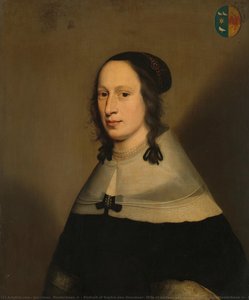
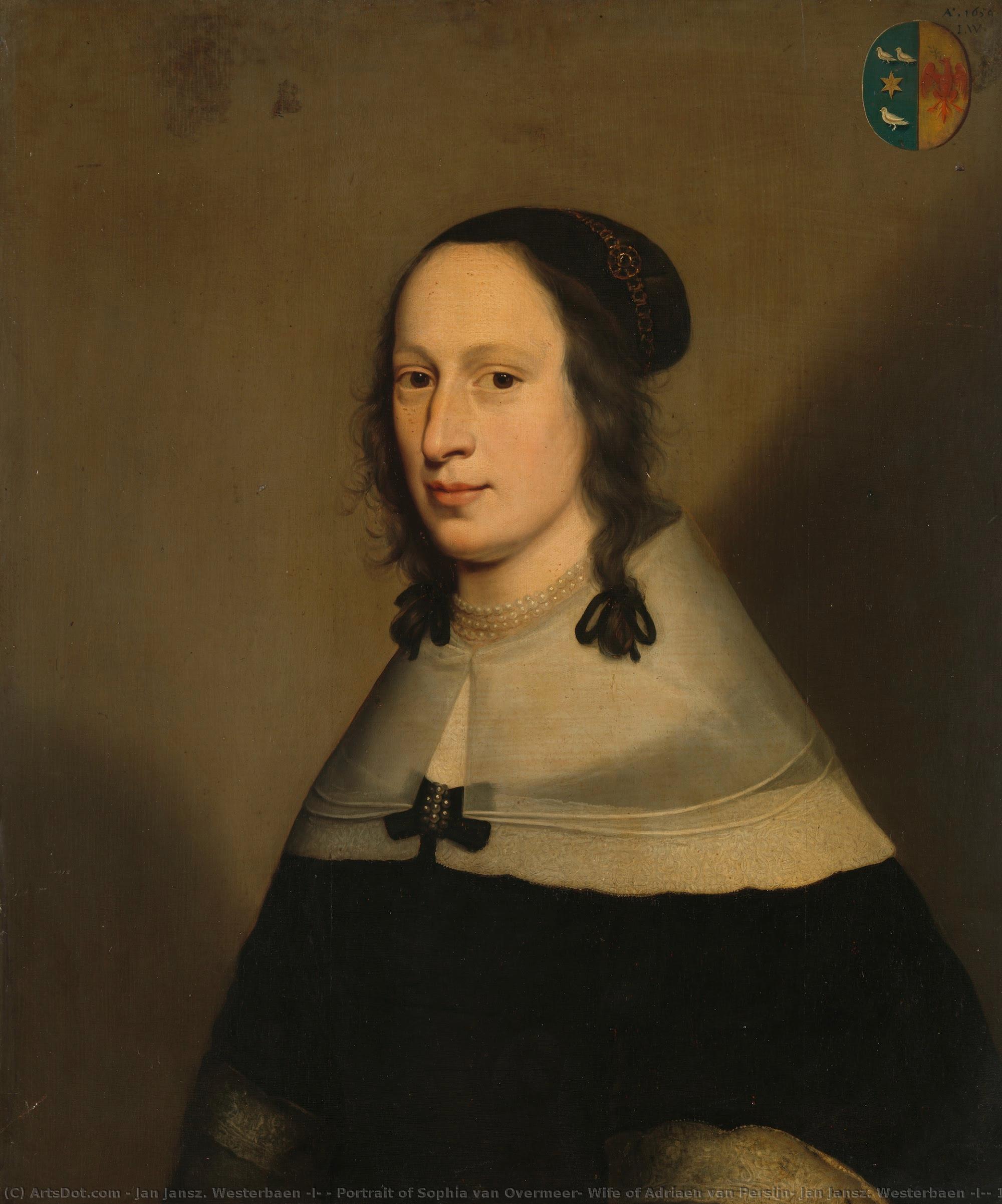
StatsPortrait of Sophia van Overmeer, Wife of Adriaen van Persijn, Jan Jansz. Westerbaen (I), 1650
 1650
1650 68.0 x 57.0 cm
 Read More
Giclée / Art Print
Museum-quality giclée or canvas print with fast production and flexible finish options. ( Buy Hand Made Painting Switch to Digital Image)




































Pick from our preset sizes that match the artwork's original proportions.

You may enter your own dimensions to fit a specific frame or space. If your selected size does not match the original image's proportions, we will either crop the artwork or extend the image with a mirrored or solid-fill edge. A digital mockup will be sent for your approval before production begins.
Please note that the on-screen preview does not reflect the actual cropping or extension. Only the mockup will accurately show the final composition.
While custom sizes are available, we recommend selecting a dimension from the predefined list to preserve the original proportions.
Worldwide Delivery () in 2 weeks instead of standard 4/5 weeks. (9 September)

Free Worldwide Express Shipping

High-Quality Linen Canvas

Full Shipping Insurance

Customs Tax Refund Guarantee

True Color Matching Guarantee

100-Day Return Policy (Defects Only)

100% Money-Back Guarantee

Bulk Discount Offer
 Glass option is only available in size under 110 CM

Portrait of Sophia van Overmeer, Wife of Adriaen van Persijn, Jan Jansz. Westerbaen (I), 1650
Giclée / Art Print
Reproduction Size
-


Total Price
$ 63
Related Artworks









Artist Biography
A Life Immersed in Light: Jan Jansz. Westerbaen and the Dutch Golden Age
Jan Jansz. Westerbaen (i), a name perhaps less immediately recognizable than Rembrandt or Vermeer, nevertheless occupies a significant place within the vibrant tapestry of 17th-century Dutch painting. Born in The Hague around 1600 into a family deeply connected to the artisan world – his father was a rope-maker and his brother the author Jacob Westerbaen – he inherited a practical sensibility that would subtly inform his artistic approach. This grounding, coupled with the burgeoning prosperity and intellectual curiosity of the Dutch Golden Age, provided fertile ground for his development as a portraitist and still life painter. His early training under Evert Cuirijnsz. van der Maes in 1619 laid the foundation for his technical skills, and by 1624 he was accepted into the prestigious Guild of St Luke in The Hague, signifying his establishment within the artistic community. Westerbaen wasn’t a solitary genius working in isolation; he was part of a network, evidenced by his participation in the founding of a confraternity of painters and craftsmen in 1656 alongside his son. This sense of belonging and collaboration likely influenced his style and subject matter throughout his prolific career.The Hague as Canvas: Portraits and the Reflection of Society
Westerbaen’s artistic output centered primarily on two genres: portraiture and still life. His portraits, however, weren't merely exercises in likeness; they were insightful studies of character and social standing within the bustling urban environment of The Hague. He possessed a remarkable ability to capture not just physical features but also the inner lives of his sitters – their quiet dignity, their aspirations, and perhaps even their anxieties. While details regarding specific commissions remain scarce, it’s clear from surviving works that he catered to a diverse clientele, depicting merchants, burghers, and members of prominent families. His mastery of light and shadow, a hallmark of the Dutch Golden Age style, played a crucial role in conveying depth and realism, imbuing his portraits with a sense of presence and immediacy. He wasn’t striving for grand allegorical statements; instead, he focused on the subtle nuances of human expression and the material comforts that defined the era's burgeoning middle class.Still Life: A Symphony of Texture and Symbolism
Beyond portraiture, Westerbaen excelled in still life painting, a genre experiencing a remarkable surge in popularity during this period. His compositions were often characterized by meticulous detail and a rich palette, showcasing an impressive command of texture and form. He depicted arrangements of fruits, flowers, game, and luxurious objects – oysters, silver goblets, imported spices – all rendered with painstaking accuracy. However, Westerbaen’s still lifes weren't simply decorative; they were imbued with symbolic meaning, reflecting the values and preoccupations of Dutch society. The fleeting beauty of flowers alluded to the transience of life (*vanitas*), while opulent displays of wealth served as both a celebration of prosperity and a cautionary reminder of its impermanence. He skillfully balanced realism with underlying moral messages, creating works that were visually appealing yet intellectually stimulating.Influences and Artistic Development
Pinpointing specific artistic influences on Westerbaen is challenging due to the limited documentation surrounding his early career. However, it’s reasonable to assume he was deeply influenced by the work of contemporary Dutch masters such as Frans Hals and Gerard ter Borch, both renowned for their ability to capture naturalism and psychological depth in portraiture. The influence of Flemish still life painters like Clara Peeters is also discernible in his meticulous attention to detail and use of symbolic imagery. Over time, Westerbaen developed a distinctive style characterized by a refined technique, subtle color harmonies, and an emphasis on capturing the play of light across surfaces. He didn’t radically innovate; rather, he perfected existing techniques, demonstrating a remarkable ability to synthesize influences into a cohesive and compelling artistic vision.Legacy and Historical Significance
Jan Jansz. Westerbaen died in The Hague in 1686, leaving behind a substantial body of work that offers valuable insights into the lives and values of the Dutch Golden Age. While he may not be as widely celebrated as some of his contemporaries, his paintings continue to captivate viewers with their realism, psychological depth, and subtle beauty. His portraits provide a window into the social fabric of 17th-century Holland, while his still lifes offer a glimpse into the material culture and symbolic preoccupations of the era. He represents a crucial link in the chain of Dutch artistic development, demonstrating the enduring power of observation, technical skill, and a commitment to capturing the essence of human experience. His work serves as a testament to the vibrant creativity and intellectual curiosity that defined one of history’s most remarkable periods for art.
jan jansz. westerbaen (i)
1600 - 1686 , Netherlands
Quick Facts
- Artistic Movement Or Style: Dutch Golden Age painting
- Artists Who Influenced This Artist: ['Evert Cuirijnsz. van der Maes']
- Date Of Birth: 1600
- Date Of Death: 1686
- Full Name: Jan Jansz. Westerbaen I
- Nationality: Dutch
- Place Of Birth: The Hague, Netherlands