 Preview
 Send
Send Share
Share
 Details

 Download
 Similars
 X-Ray
X-Ray Diaporama
Landscape

 Read More
Hand Made Oil Reproduction
Hand-painted oil on canvas in your size and frame, made to order by our artists. ( Buy Print Buy Image)




P118B $10

P118H $10

P118W $10

P438Z $10

P508JH $12

P508YH $12

P805H $10

P805Z $10

P919BZ $10

P919G $10

P919XJ $10

P959ZH $10

P968JZ $12

W106C $8

W218G $10

W218JH $8

W218Y $10

W307PJ $10

W316G $10

W316PJ $8

W316Y $10

W398PJ $8

W4111J $10

W500HY $15

W500JH $15

W692G $12

W849H $8

W940BG $15

W953PJ $8




Pick from our preset sizes that match the artwork's original proportions.

You may enter your own dimensions to fit a specific frame or space. If your selected size does not match the original image's proportions, we will either crop the artwork or extend the painting with additional hand-painted elements. A digital mockup will be sent for your approval before production begins.
Please note that the on-screen preview does not reflect the actual cropping or extension. Only the mockup will accurately show the final composition.
While custom sizes are available, we recommend selecting a dimension from the predefined list to preserve the original proportions.
After order, ArtsDot.com team will email client for instructions and provide a mockup preview
Worldwide Delivery () in 3/4 weeks instead of standard 5 weeks. (17 August). No compromise on quality.

Free Worldwide Express Shipping

High-Quality Linen Canvas

Full Shipping Insurance

Customs Tax Refund Guarantee

True Color Matching Guarantee

60-Day Return Policy (Defects Only)

100% Money-Back Guarantee

Bulk Discount Offer
 Glass option is only available in size under 110 CM

Landscape
Reproduction Medium
Reproduction Size
-


Total Price
$ 263
Related Artworks
Artist Biography
Jan van Goyen: The Poet of the Dutch Landscape
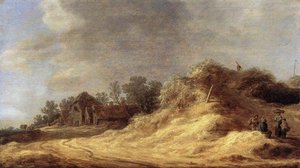
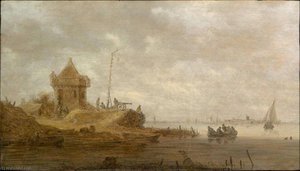
Jan Josephszoon van Goyen, a name synonymous with serene beauty and masterful realism in 17th-century Dutch painting, was more than just a landscape artist; he was a meticulous observer of nature, a skilled technician, and ultimately, a pivotal figure in establishing the tonal landscape as a dominant style. Born on January 13, 1596, in Leiden, Netherlands, his early life offered little indication of the artistic destiny that awaited him. His father was a shoemaker, and young Jan initially apprenticed in the trade before discovering his passion for art – a path largely shaped by the influence of Isaac van Swanenburgh, a respected painter who served as his first teacher. This initial training laid the groundwork for Van Goyen’s distinctive approach, characterized by an acute awareness of light, shadow, and atmospheric perspective. Van Goyen's artistic journey took him through Haarlem, where he studied under Esaias van de Velde, a master known for his detailed depictions of Dutch scenes. This period proved crucial in refining Van Goyen’s technique and solidifying his commitment to capturing the essence of the natural world. However, it was in The Hague, beginning around 1632, that he established his permanent studio and truly blossomed as an artist. This move wasn't merely a change of location; it represented a strategic decision to secure a stable income – Van Goyen supplemented his artistic endeavors with roles as an auctioneer, art appraiser, and even a speculative investor in the burgeoning tulip market. This diverse portfolio, however, ultimately proved unsustainable, leading to significant financial difficulties later in life. His struggles with debt are a poignant reminder of the precariousness faced by many artists during this era, despite their artistic renown.The Development of a Distinct Style
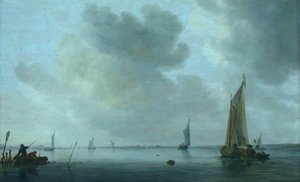
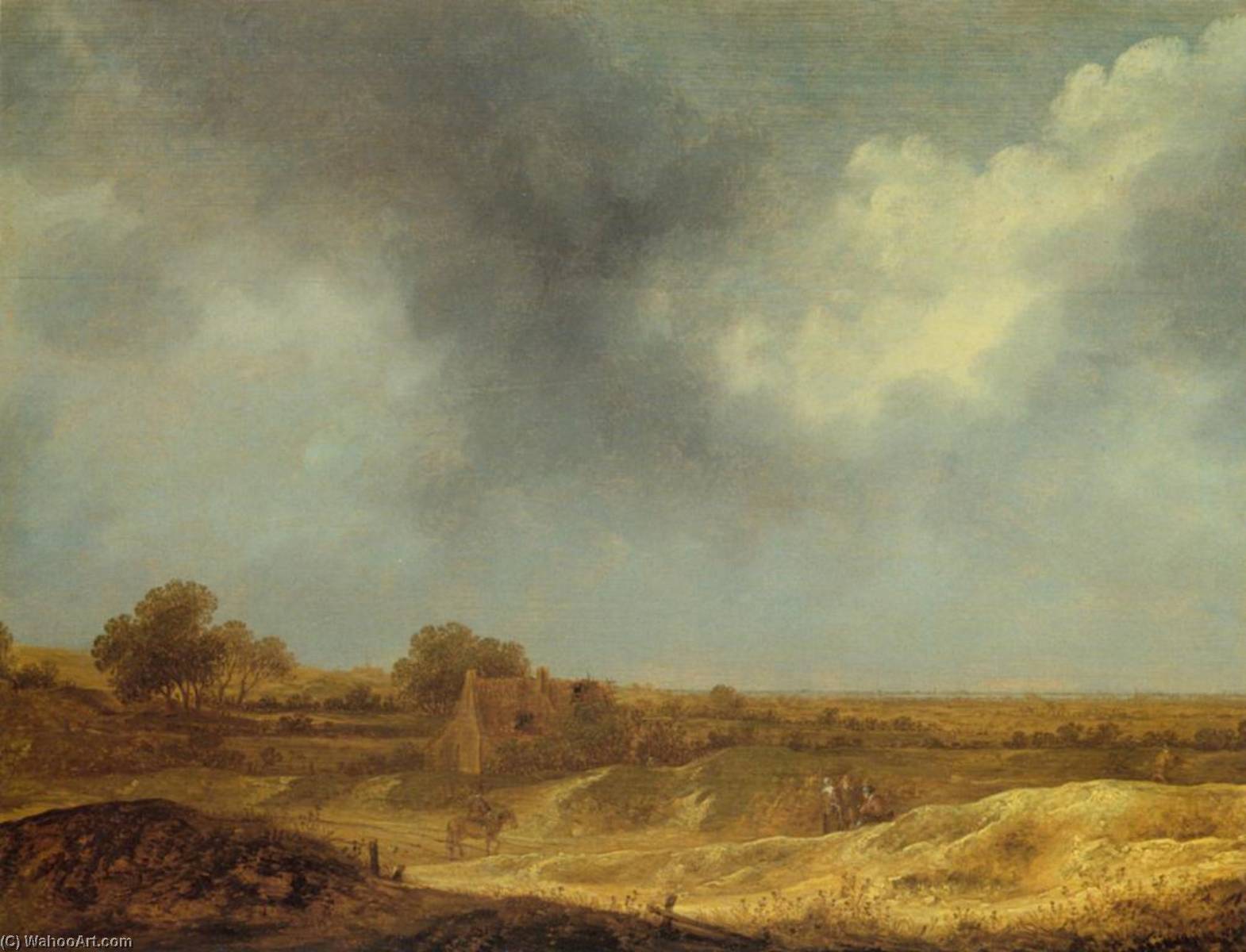
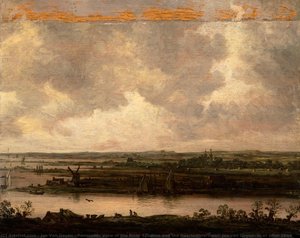
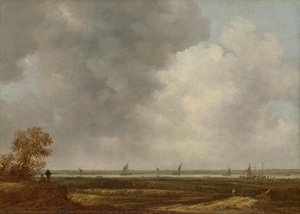
Van Goyen’s early works, dating from around 1620, bear the clear imprint of his Haarlem teacher, Van de Velde – characterized by intricate detail and vibrant local color. However, as he matured, his style underwent a significant transformation. He began to simplify his compositions, employing broader brushstrokes and a more restrained palette. This shift resulted in landscapes imbued with a remarkable sense of atmosphere and depth, achieved through the subtle manipulation of tonal values—a technique that would become hallmarks of his oeuvre. He skillfully utilized low horizons, creating an expansive feeling that drew the viewer into the scene. His subjects were remarkably varied: from tranquil river scenes and bustling harbors to idyllic countryside vistas and dramatic winter landscapes. He frequently depicted scenes of everyday life – peasants working in fields, boats navigating waterways, and village gatherings—adding a layer of social commentary to his naturalistic observations. Notably, Van Goyen’s work was not merely about replicating what he saw; it was about conveying the *feeling* of a place, its mood, and its inherent beauty.Influences and Techniques
Van Goyen's artistic lineage is complex, drawing inspiration from a diverse range of sources. While undeniably influenced by Esaias van de Velde, he also absorbed elements from other masters, including the pioneering landscape painter Isaac van Swanenburgh. His meticulous attention to detail, evident in his preparatory drawings and studies, reveals a deep understanding of anatomy, perspective, and light. He was particularly adept at capturing the effects of atmospheric conditions – mist, fog, rain, and sunlight filtering through clouds—creating an illusion of depth and distance that was remarkably convincing. Van Goyen’s use of *grisaille*, a monochrome underpainting technique, allowed him to establish the tonal structure of his compositions before adding color, ensuring a harmonious balance of light and shadow. Furthermore, he employed a limited palette of earthy tones – browns, greens, blues, and grays—to create a sense of unity and tranquility in his landscapes.Legacy and Historical Significance
Jan van Goyen’s impact on the development of Dutch landscape painting is undeniable. He played a crucial role in establishing the tonal landscape as a dominant style, influencing generations of artists who followed. His meticulous observation of nature, combined with his masterful technique, produced works that continue to resonate with viewers today. He wasn't considered a revolutionary artist in terms of groundbreaking innovation, but rather a master craftsman who perfected and refined existing techniques, elevating the genre to new heights of realism and atmospheric beauty. Despite facing financial hardship towards the end of his life, Van Goyen left behind an impressive body of work – approximately twelve hundred paintings and over one thousand drawings—a testament to his dedication and skill. His legacy is secured not only through his artistic achievements but also as a symbol of the industrious spirit and artistic talent that flourished during the Dutch Golden Age. He remains a beloved figure in Dutch art history, celebrated for his ability to capture the serenity and beauty of the natural world with remarkable precision and sensitivity.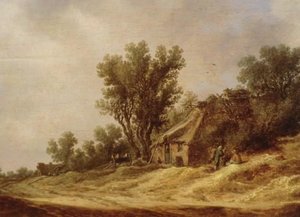
jan josefz van goyen
1596 - 1665
Quick Facts
- Artistic Movement Or Style: Dutch Golden Age Landscape
- Artists Or Movements Influenced By This Artist: ['Salomon van Ruysdael']
- Artists Who Influenced This Artist: ['Esaias van de Velde']
- Date Of Birth: January 13, 1596
- Date Of Death: April 27, 1656
- Full Name: Jan Josephszoon van Goyen
- Nationality: Dutch
- Notable Artworks:
- View of Dordrecht
- Ice Scene near a Tower
- Village Fair
- Foreshore Scene
- Place Of Birth: Leiden, Netherlands
Related Articles
Van Gogh's Masterpieces: Explore 25 Iconic Paintings & Art for Your Home
Journey through Vincent van Gogh's 25 most iconic paintings! Explore 'Starry Night', 'Sunflowers,' and more—discover the stories, techniques & emotions behind these Post-Impressionist masterpieces. Find museum-quality art reproductions for your home at ArtsDot.com.
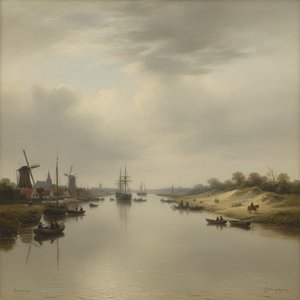
Jan van Goyen: Master of Dutch Landscape & Atmospheric Perspective
Discover Jan van Goyen, the master of Dutch landscape painting. Explore his subtle technique, atmospheric realism & lasting influence on art history. Learn about this 17th-century pioneer at ArtsDot.

Dutch Masters: 10 Golden Age Paintings That Still Inspire |
Journey into the Dutch Golden Age! Explore 10 iconic paintings by Rembrandt, Vermeer & Hals. Discover the stories behind these Baroque masterpieces and find museum-quality art reproductions to elevate your home decor on .
Golden Light & Dutch Skies: Bringing the Magic of Dutch Golden Age Landscapes into Your Home
Transform your home with the breathtaking light of Dutch Golden Age landscapes. Discover how hand-painted oil reproductions of masterworks like Ruisdael and Vermeer bring timeless elegance, atmosphere, and soulful texture to modern interiors. Elevate your space with museum-quality art.

Rembrandt's Masterpieces: Explore 25 Iconic Paintings & Prints | ArtsDot
Journey through Rembrandt van Rijn's 25 most iconic paintings & etchings. Explore Dutch Golden Age masterpieces, dramatic chiaroscuro, and timeless portraits. Find museum-quality art reproductions to elevate your home decor on ArtsDot.com.