 Preview
 Send
Send Share
Share
 Details

 Download
 Similars
 X-Ray
X-Ray Diaporama
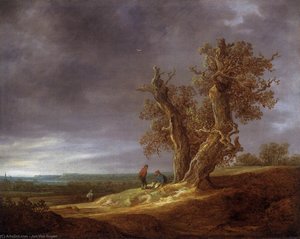
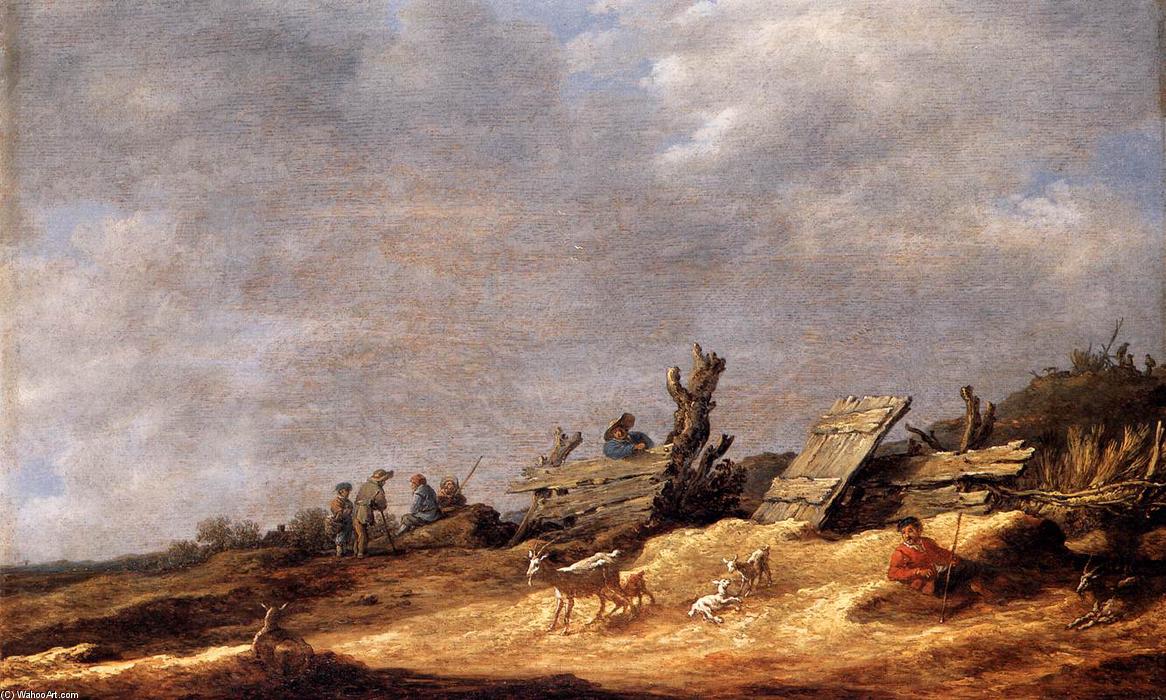
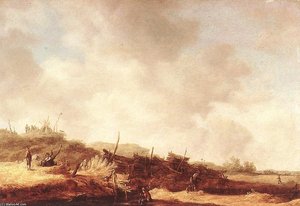
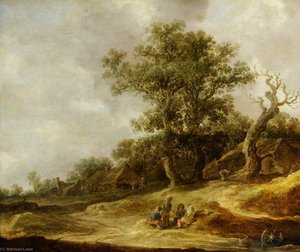
Dune Landscape
 1631
1631 40.0 x 63.0 cm
 Read More
Giclée / Art Print
Museum-quality giclée or canvas print with fast production and flexible finish options. ( Buy Hand Made Painting Buy Image)




































Pick from our preset sizes that match the artwork's original proportions.

You may enter your own dimensions to fit a specific frame or space. If your selected size does not match the original image's proportions, we will either crop the artwork or extend the image with a mirrored or solid-fill edge. A digital mockup will be sent for your approval before production begins.
Please note that the on-screen preview does not reflect the actual cropping or extension. Only the mockup will accurately show the final composition.
While custom sizes are available, we recommend selecting a dimension from the predefined list to preserve the original proportions.
Worldwide Delivery () in 2 weeks instead of standard 4/5 weeks. (21 August)

Free Worldwide Express Shipping

High-Quality Linen Canvas

Full Shipping Insurance

Customs Tax Refund Guarantee

True Color Matching Guarantee

60-Day Return Policy (Defects Only)

100% Money-Back Guarantee

Bulk Discount Offer
 Glass option is only available in size under 110 CM

Dune Landscape
Giclée / Art Print
Reproduction Size
-


Total Price
$ 63
Collectible Description
Composition and Style
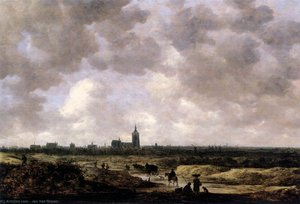
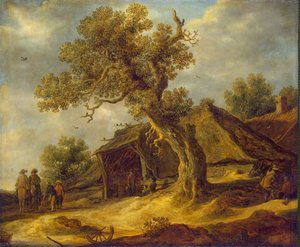
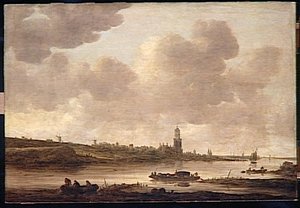
The scene unfolds with a group of people gathered around a small wooden structure, possibly a hut or a shelter. The figures are engaged in various activities, suggesting a sense of community and daily life. Their attire is simple, reflecting the modest living conditions of the time. The landscape itself is characterized by rolling hills and dunes, with patches of greenery interspersed throughout. A few trees can be seen scattered across the scene, adding to the natural beauty of the setting. Light and color play a crucial role in this painting, creating a sense of depth and perspective that draws the viewer into the scene. The overall composition and attention to detail are indicative of Jan Van Goyen's skill and mastery over his medium. As seen in other works by the artist, such as View of the Haarlemmermeer, available on ArtsDot.com, Jan Van Goyen's use of light and color is a hallmark of his style.Artist and Museum
Jan Van Goyen was a renowned Dutch painter, known for his landscapes and ability to capture the essence of rural life. The Herzog Anton Ulrich-Museum, where the Dune Landscape is housed, is a prominent museum in Germany, featuring an extensive collection of European art. For more information on Jan Van Goyen and his works, visit ArtsDot.com or Wikipedia.- Dune Landscape is a prime example of the Dutch Golden Age's emphasis on realistic depictions of everyday life and landscapes.
- The painting features a group of people engaged in various activities, surrounded by rolling hills and dunes.
- Jan Van Goyen's use of light and color creates a sense of depth and perspective that draws the viewer into the scene.
The Dune Landscape by Jan Van Goyen is a masterpiece that showcases the artist's skill and mastery over his medium. Its composition, style, and use of light and color make it a captivating example of the Dutch Golden Age's artistic achievements.
Related Artworks

Artist Biography
Jan Josephszoon van Goyen: A Life in Landscape
Early Life and Training
- Born on January 13, 1596, in Leiden, Netherlands, Jan Josephszoon van Goyen emerged as a pivotal figure in Dutch Golden Age painting.
- He initially apprenticed in Leiden before furthering his studies under Esaias van de Velde in Haarlem. This foundational training proved crucial to his artistic development.
Artistic Style and Development
- Van Goyen’s style is immediately recognizable for its simplicity, subtle tonal variations, and use of a limited palette – primarily grays, browns, and greens.
- He moved away from the more colorful and detailed landscapes popular at the time, pioneering a more realistic and atmospheric approach.
- His early works show influence from Van de Velde, but he quickly developed his own distinctive style focusing on capturing the essence of Dutch landscapes.
Prolific Output and Notable Works
- Van Goyen was an incredibly prolific artist, producing an estimated 1,200 paintings and over 1,000 drawings throughout his career.
- Notable works include: River Landscape with Windmill, a quintessential example of his tonal landscapes; and Fishermen by the Lakeshore, showcasing his ability to depict serene waterscapes.
- He frequently painted scenes of rivers, lakes, dunes, and expansive skies, capturing the unique character of the Dutch countryside.
Influences and Legacy
- While influenced by Van de Velde, Van Goyen’s work itself became highly influential.
- He directly impacted artists such as Jan Steen, who was one of his pupils.
- His emphasis on realism and atmospheric effects paved the way for later landscape painters.
Financial Struggles and Later Life
- Despite his artistic success, Van Goyen faced significant financial difficulties throughout his life.
- He engaged in various business ventures, including tulip speculation (during “Tulip Mania”) and real estate investments, but often found himself deeply in debt.
- At the time of his death on April 27, 1656, in The Hague, he was reportedly 18,000 guilders in debt.
Historical Significance
- Van Goyen’s work is considered a cornerstone of Dutch Golden Age painting and a significant contribution to the development of landscape art.
- He captured the spirit of 17th-century Holland, reflecting its growing prosperity and connection to the land.
- His innovative techniques and realistic depictions continue to inspire artists and captivate audiences today.
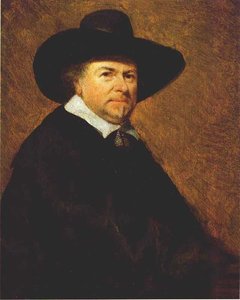
jan josephszoon van goyen
1596 - 1656 , Netherlands
Quick Facts
- Birth Date: January 13, 1596
- Birth Place: Leiden, Netherlands
- Death Date: April 27, 1656
- Influenced: Jan Steen
- Influenced By: Esaias van de Velde
- Movement: Dutch Golden Age painting
- Name: Jan Josephszoon van Goyen
- Nationality: Dutch
- Notable Works:
- River Landscape with Windmill
- Fishermen by the Lakeshore