

 Preview
 Send
Send Share
Share
 Details

 Download
 Similars
 X-Ray
X-Ray Diaporama
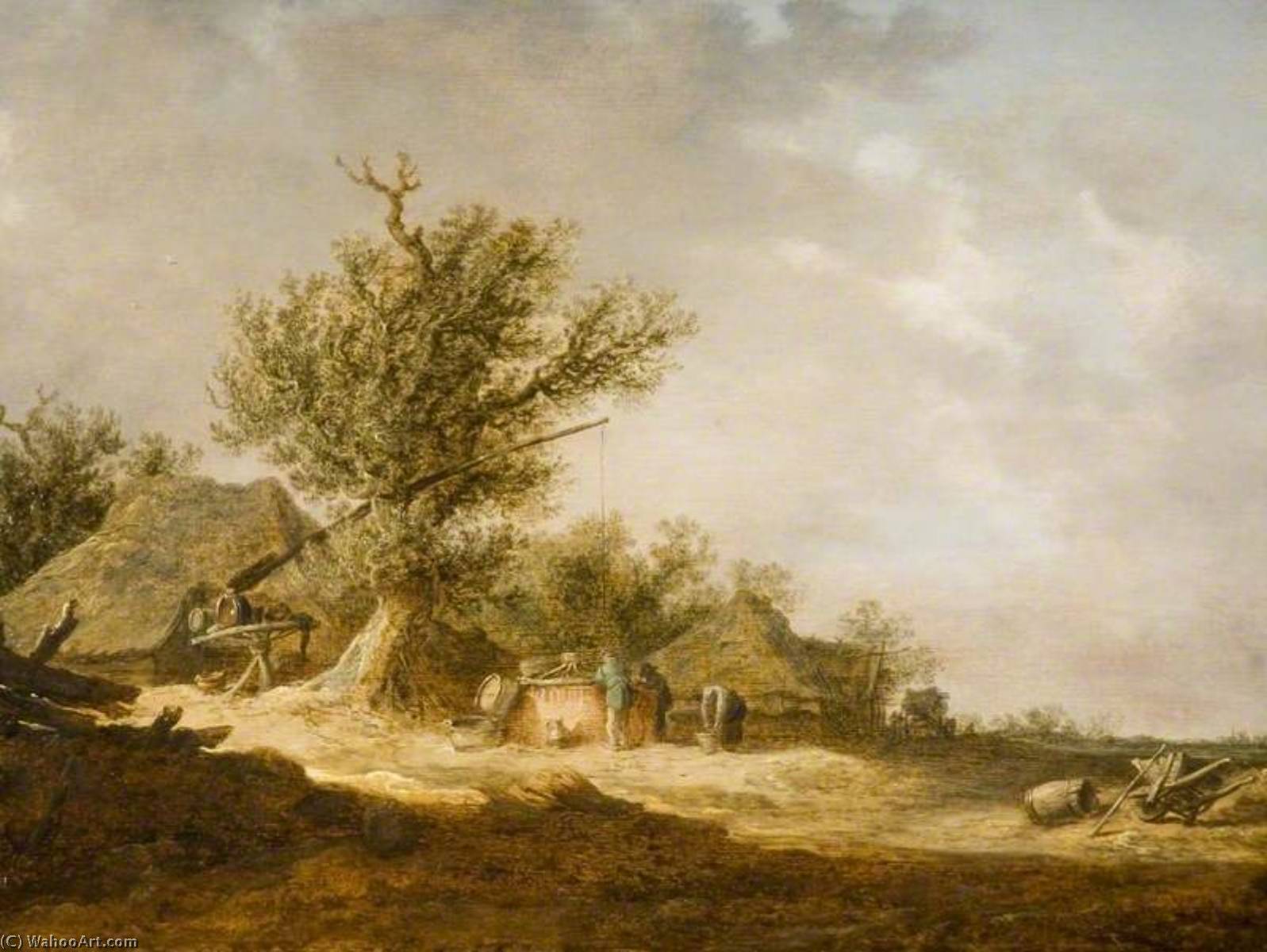
Landscape in the Dunes
 Oil
Oil- WallArt
- Dutch Golden Age
 1631
1631- Early Modern
 43.0 x 55.0 cm
 The Barber Institute of Fine Arts
 Read More
Purchase a high-resolution, enhanced digital image, far superior to the online preview.
Each file is meticulously prepared by our in-house specialists using advanced tools and expert manual retouching. We ensure every image has exceptional clarity, precise color accuracy, and fine detail.
The final file is delivered via email within 72 hours, optimized for immediate use in professional, editorial, and print environments. This is the same quality trusted by top-tier design studios, publishers, and galleries.
Digital Image
Download a high-resolution file for personal display, printing, and creative projects. ( Buy Print Buy Hand Made Painting)
Included in Every Digital Image Order
Expert Digital Delivery, Guaranteed
When you choose ArtsDot.com, you're not just getting an image - you're receiving a professionally enhanced digital artwork, crafted with precision and backed by a satisfaction guarantee. Here's everything that comes with your order, automatically:

Fast Email Delivery
Your high-resolution digital image file will be emailed to you within 72 hours of ordering - ready for immediate use.

AI-Enhanced Digital File
Your artwork is professionally optimized using advanced AI tools and manual editing, ensuring maximum detail, clarity, and color accuracy.

Free Lifetime Re-Delivery
Accidentally deleted or lost your file? No worries - we'll resend it to you anytime, free of charge.

No Import Fees - Ever
Enjoy your artwork instantly with zero customs, duties, or delivery fees - digital downloads are always tax-free.

Color Accuracy Guarantee
We ensure your digital image reflects the original colors as closely as possible using professional tools and color management.

60-Day Satisfaction Guarantee
If you're not satisfied with your digital image, we'll revise it or refund 100% within 60 days - no questions asked.

100% Money-Back Guarantee
Not satisfied? Get a full refund within 60 days of receiving your digital file - no questions asked.

Bulk Order Discounts
Buy 3 images, save 10% - Buy 5, save 15% - Buy 10+, save 20%. Great for creative projects, galleries, and agencies.
Collectible Description
Jan van Goyen: Mastering Atmospheric Perspective in “Dune Landscape”
Jan Josephszoon van Goyen (1596–1656) stands as an undisputed titan of Dutch Golden Age landscape painting, renowned for his pioneering approach to capturing the essence of the Dutch countryside with remarkable subtlety and realism. His oeuvre comprises approximately twelve hundred paintings—a testament to his prolific output and enduring influence on subsequent generations of artists. Among his celebrated works is “Dune Landscape” (circa 1632), housed at the Herzog Anton Ulrich-Museum in Braunschweig, Germany, where it continues to captivate viewers with its serene beauty and masterful execution. This painting exemplifies van Goyen’s signature style—characterized by a restrained palette dominated by earthy hues of grey, brown, and muted green—and his unwavering dedication to portraying natural light and shadow with unparalleled precision.A Pioneer of Atmospheric Illusion
What distinguishes “Dune Landscape” from its contemporaries is Van Goyen's masterful manipulation of atmospheric perspective. Unlike painters who sought to depict landscapes in vibrant color and intricate detail, van Goyen deliberately minimized chromatic intensity, prioritizing tonal variations that conveyed the dampness and coolness of the dune environment. This technique—a cornerstone of Dutch landscape painting during the period—involved layering thin washes of pigment to create a hazy effect, simulating the diffusion of light through clouds and enhancing the sense of depth within the composition. The artist’s deliberate use of low viewpoint further amplified this illusion, directing the viewer's gaze towards distant dunes and emphasizing the vastness of the landscape.Composition and Symbolism: Capturing Tranquility
The painting’s diagonal orientation draws the eye into the expansive horizon line, creating a dynamic interplay between foreground and background elements. A solitary farmhouse nestled amongst the dunes serves as a focal point, subtly juxtaposed against the undulating sand formations—a motif that resonated deeply with Dutch viewers of the time. These dunes represented not merely geological features but also symbols of protection from the sea’s turbulent forces, embodying notions of stability and divine benevolence. Van Goyen's confident brushstrokes—visible throughout the canvas—contribute to the painting’s textural richness, conveying the roughness of bark and sand alike.Provenance and Artistic Legacy
“Dune Landscape” holds a significant place in art history, having been formerly attributed to Pieter de Neyn before being definitively identified as a work by Jan van Goyen. It is currently displayed at the Herzog Anton Ulrich-Museum alongside other masterpieces from the Golden Age—a testament to Braunschweig’s commitment to preserving and showcasing exceptional artistic treasures. The painting's enduring appeal stems from its ability to evoke feelings of peace and contemplation, mirroring the aesthetic ideals of the era and cementing van Goyen’s position as one of the most influential landscape painters of his time. Its meticulous depiction of light and shadow—a technique that continues to inspire artists today—underscores the artist’s genius and ensures “Dune Landscape” will remain a timeless symbol of Dutch artistic excellence.Further Exploration
For more information about Jan van Goyen and his artistic contributions, consult scholarly resources such as Hans-Ulrich Beck and Wolfgang Stechow's comprehensive biography ("Jan van Goyen, 1596–1656") or explore the extensive catalogue raisonné compiled by Cornelis Hofstede de Groot (“Beschreibendes und kritisches Verzeichnis der Werke der hervorragendsten Holländischen Maler des XVII Jahrhunderts”). Examining these publications provides invaluable insight into van Goyen’s artistic development and his lasting impact on the history of landscape painting.- Herzog Anton Ulrich-Museum: https://www.3landesmuseen.de/Herzog-Anton-Ulrich-Museum.304.0.html
- Web Gallery of Art: http://www.wga.hu/html/g/goyen/1/duneland.jpg
- Princeton University Art Museum:https://artmuseum.princeton.edu/art/collections/objects/31398
Related Artworks
Artist Biography
Jan Josephszoon van Goyen: A Life in Landscape
Early Life and Training
- Born on January 13, 1596, in Leiden, Netherlands, Jan Josephszoon van Goyen emerged as a pivotal figure in Dutch Golden Age painting.
- He initially apprenticed in Leiden before furthering his studies under Esaias van de Velde in Haarlem. This foundational training proved crucial to his artistic development.
Artistic Style and Development
- Van Goyen’s style is immediately recognizable for its simplicity, subtle tonal variations, and use of a limited palette – primarily grays, browns, and greens.
- He moved away from the more colorful and detailed landscapes popular at the time, pioneering a more realistic and atmospheric approach.
- His early works show influence from Van de Velde, but he quickly developed his own distinctive style focusing on capturing the essence of Dutch landscapes.
Prolific Output and Notable Works
- Van Goyen was an incredibly prolific artist, producing an estimated 1,200 paintings and over 1,000 drawings throughout his career.
- Notable works include: River Landscape with Windmill, a quintessential example of his tonal landscapes; and Fishermen by the Lakeshore, showcasing his ability to depict serene waterscapes.
- He frequently painted scenes of rivers, lakes, dunes, and expansive skies, capturing the unique character of the Dutch countryside.
Influences and Legacy
- While influenced by Van de Velde, Van Goyen’s work itself became highly influential.
- He directly impacted artists such as Jan Steen, who was one of his pupils.
- His emphasis on realism and atmospheric effects paved the way for later landscape painters.
Financial Struggles and Later Life
- Despite his artistic success, Van Goyen faced significant financial difficulties throughout his life.
- He engaged in various business ventures, including tulip speculation (during “Tulip Mania”) and real estate investments, but often found himself deeply in debt.
- At the time of his death on April 27, 1656, in The Hague, he was reportedly 18,000 guilders in debt.
Historical Significance
- Van Goyen’s work is considered a cornerstone of Dutch Golden Age painting and a significant contribution to the development of landscape art.
- He captured the spirit of 17th-century Holland, reflecting its growing prosperity and connection to the land.
- His innovative techniques and realistic depictions continue to inspire artists and captivate audiences today.
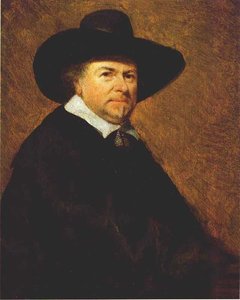
jan josephszoon van goyen
1596 - 1656 , Netherlands
Quick Facts
- Birth Date: January 13, 1596
- Birth Place: Leiden, Netherlands
- Death Date: April 27, 1656
- Influenced: Jan Steen
- Influenced By: Esaias van de Velde
- Movement: Dutch Golden Age painting
- Name: Jan Josephszoon van Goyen
- Nationality: Dutch
- Notable Works:
- River Landscape with Windmill
- Fishermen by the Lakeshore


