

 Preview
 Send
Send Share
Share
 Details

 Download
 Similars
 X-Ray
X-Ray Diaporama
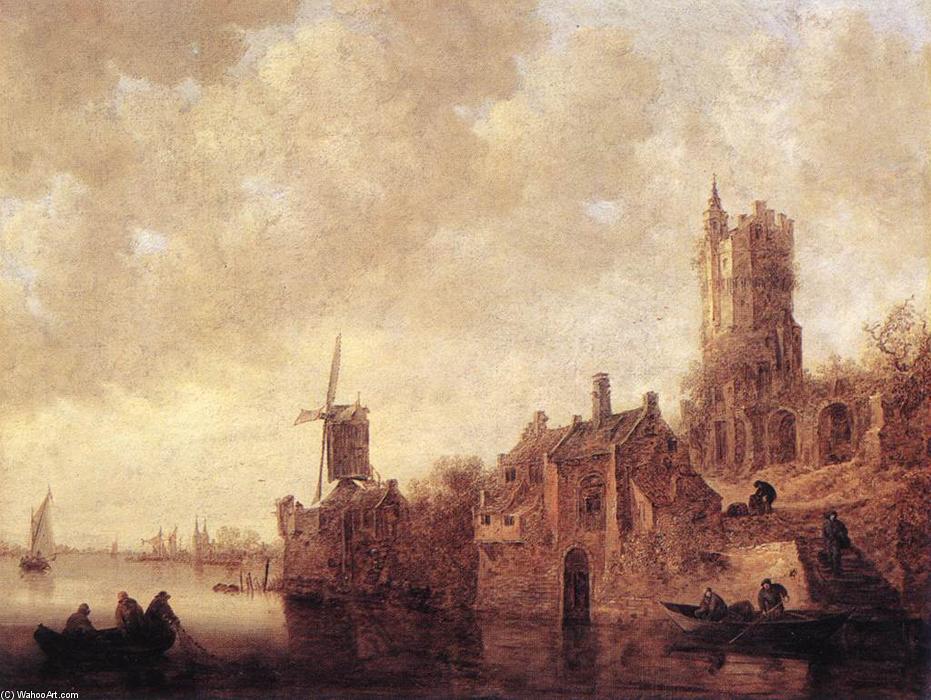
River Landscape with a Windmill and a Ruined Castle
 Oil On Canvas
- WallArt
- Baroque Landscape
 1644
1644 97.0 x 133.0 cm
 The Louvre
 Read More
Purchase a high-resolution, enhanced digital image, far superior to the online preview.
Each file is meticulously prepared by our in-house specialists using advanced tools and expert manual retouching. We ensure every image has exceptional clarity, precise color accuracy, and fine detail.
The final file is delivered via email within 72 hours, optimized for immediate use in professional, editorial, and print environments. This is the same quality trusted by top-tier design studios, publishers, and galleries.
Digital Image
Download a high-resolution file for personal display, printing, and creative projects. ( Buy Print Buy Hand Made Painting)
Included in Every Digital Image Order
Expert Digital Delivery, Guaranteed
When you choose ArtsDot.com, you're not just getting an image - you're receiving a professionally enhanced digital artwork, crafted with precision and backed by a satisfaction guarantee. Here's everything that comes with your order, automatically:

Fast Email Delivery
Your high-resolution digital image file will be emailed to you within 72 hours of ordering - ready for immediate use.

AI-Enhanced Digital File
Your artwork is professionally optimized using advanced AI tools and manual editing, ensuring maximum detail, clarity, and color accuracy.

Free Lifetime Re-Delivery
Accidentally deleted or lost your file? No worries - we'll resend it to you anytime, free of charge.

No Import Fees - Ever
Enjoy your artwork instantly with zero customs, duties, or delivery fees - digital downloads are always tax-free.

Color Accuracy Guarantee
We ensure your digital image reflects the original colors as closely as possible using professional tools and color management.

60-Day Satisfaction Guarantee
If you're not satisfied with your digital image, we'll revise it or refund 100% within 60 days - no questions asked.

100% Money-Back Guarantee
Not satisfied? Get a full refund within 60 days of receiving your digital file - no questions asked.

Bulk Order Discounts
Buy 3 images, save 10% - Buy 5, save 15% - Buy 10+, save 20%. Great for creative projects, galleries, and agencies.
Collectible Description
A Serene Vision of the Dutch Delta: Unveiling Van Goyen’s River Landscape
Jan Josephszoon van Goyen's “River Landscape with a Windmill and a Ruined Castle,” painted in 1644, isn’t merely a depiction of a Dutch waterway; it’s a carefully constructed meditation on light, atmosphere, and the enduring beauty of the natural world. This remarkable work, measuring 97 x 133 cm, transports us to a tranquil corner of the Netherlands, where the subtle shifts in color and texture evoke a profound sense of peace and contemplation. Van Goyen, a pivotal figure in Dutch Golden Age painting, masterfully eschewed the flamboyant detail favored by some contemporaries, instead prioritizing a restrained palette and an almost ethereal quality that defines his signature style.
The scene unfolds along a gently flowing river, its surface reflecting the soft light of the sky. A solitary windmill, its sails frozen in a perpetual rotation, stands sentinel against the backdrop of a distant, crumbling castle ruin – a poignant reminder of bygone eras and the passage of time. A scattering of boats, small and unassuming, suggests a lively but understated activity along the water’s edge. The artist's keen eye for detail is evident not in dramatic flourishes, but in the precise rendering of ripples on the water, the weathered stones of the castle, and the subtle variations in the grass lining the riverbank.
The Language of Light and Shadow: Van Goyen’s Unique Technique
Van Goyen's technique is characterized by its remarkable subtlety. He employed a limited palette – primarily grays, browns, and greens – to create an atmosphere that is both luminous and deeply atmospheric. This wasn’t achieved through bold brushstrokes or vibrant colors; rather, it was the result of meticulously layering thin washes of paint, allowing the light to penetrate and reflect off the surfaces. He utilized a technique known as “glazing,” applying translucent layers of color over previous ones, building up depth and richness gradually. The use of white lead as a ground and for highlights is particularly noteworthy, contributing significantly to the painting’s luminous quality.
The artist's preference for working *en plein air* (outdoors) allowed him to capture the fleeting effects of light with remarkable accuracy. He would sketch directly onto the panel using walnut ink, creating a roadmap for his subsequent brushwork. This direct observation is evident in the way he renders the reflections on the water and the subtle gradations of color that define the landscape. The painting’s overall impression isn't one of sharp detail but rather of a hazy, dreamlike quality – a testament to Van Goyen’s mastery of atmospheric perspective.
Historical Context: A Reflection of Dutch Identity
Painted in 1644, during the height of the Dutch Golden Age, “River Landscape with a Windmill and a Ruined Castle” offers a glimpse into the values and sensibilities of the time. The Netherlands was experiencing an unprecedented period of prosperity and artistic innovation, fueled by its burgeoning trade networks and tolerant social climate. Landscapes like this one were not simply decorative; they served as a means of celebrating the beauty of the Dutch countryside – a source of national pride and identity. The inclusion of the windmill, a symbol of Dutch ingenuity and industry, reinforces this theme.
Furthermore, the ruined castle evokes a sense of history and memory, subtly reminding viewers of the Netherlands’ complex past—a past marked by conflict and resilience. The juxtaposition of the natural world with remnants of human construction creates a poignant dialogue between nature and civilization, reflecting a broader philosophical concern with the relationship between humanity and its environment. The painting's quiet dignity speaks to a deep appreciation for the enduring power of the land.
Bringing Van Goyen’s Vision Home: A High-Quality Reproduction
ArtsDot offers meticulously crafted, hand-painted reproductions of “River Landscape with a Windmill and a Ruined Castle,” allowing you to experience the beauty and tranquility of this iconic artwork in your own home. Our skilled artists faithfully recreate Van Goyen’s delicate brushwork and subtle color palette, ensuring that every detail is rendered with exceptional accuracy. Choose from a range of sizes and framing options to perfectly complement your décor. Invest in a reproduction that captures not only the visual splendor of the original but also the profound emotional resonance of this timeless masterpiece.
Related Artworks
Artist Biography
Jan Josephszoon van Goyen: A Life in Landscape
Early Life and Training
- Born on January 13, 1596, in Leiden, Netherlands, Jan Josephszoon van Goyen emerged as a pivotal figure in Dutch Golden Age painting.
- He initially apprenticed in Leiden before furthering his studies under Esaias van de Velde in Haarlem. This foundational training proved crucial to his artistic development.
Artistic Style and Development
- Van Goyen’s style is immediately recognizable for its simplicity, subtle tonal variations, and use of a limited palette – primarily grays, browns, and greens.
- He moved away from the more colorful and detailed landscapes popular at the time, pioneering a more realistic and atmospheric approach.
- His early works show influence from Van de Velde, but he quickly developed his own distinctive style focusing on capturing the essence of Dutch landscapes.
Prolific Output and Notable Works
- Van Goyen was an incredibly prolific artist, producing an estimated 1,200 paintings and over 1,000 drawings throughout his career.
- Notable works include: River Landscape with Windmill, a quintessential example of his tonal landscapes; and Fishermen by the Lakeshore, showcasing his ability to depict serene waterscapes.
- He frequently painted scenes of rivers, lakes, dunes, and expansive skies, capturing the unique character of the Dutch countryside.
Influences and Legacy
- While influenced by Van de Velde, Van Goyen’s work itself became highly influential.
- He directly impacted artists such as Jan Steen, who was one of his pupils.
- His emphasis on realism and atmospheric effects paved the way for later landscape painters.
Financial Struggles and Later Life
- Despite his artistic success, Van Goyen faced significant financial difficulties throughout his life.
- He engaged in various business ventures, including tulip speculation (during “Tulip Mania”) and real estate investments, but often found himself deeply in debt.
- At the time of his death on April 27, 1656, in The Hague, he was reportedly 18,000 guilders in debt.
Historical Significance
- Van Goyen’s work is considered a cornerstone of Dutch Golden Age painting and a significant contribution to the development of landscape art.
- He captured the spirit of 17th-century Holland, reflecting its growing prosperity and connection to the land.
- His innovative techniques and realistic depictions continue to inspire artists and captivate audiences today.
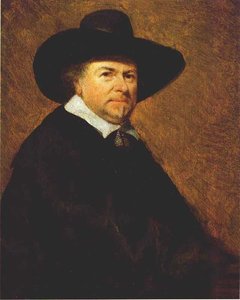
jan josephszoon van goyen
1596 - 1656 , Netherlands
Quick Facts
- Birth Date: January 13, 1596
- Birth Place: Leiden, Netherlands
- Death Date: April 27, 1656
- Influenced: Jan Steen
- Influenced By: Esaias van de Velde
- Movement: Dutch Golden Age painting
- Name: Jan Josephszoon van Goyen
- Nationality: Dutch
- Notable Works:
- River Landscape with Windmill
- Fishermen by the Lakeshore

