

 Preview
 Send
Send Share
Share
 Details

 Download
 Similars
 X-Ray
X-Ray Diaporama
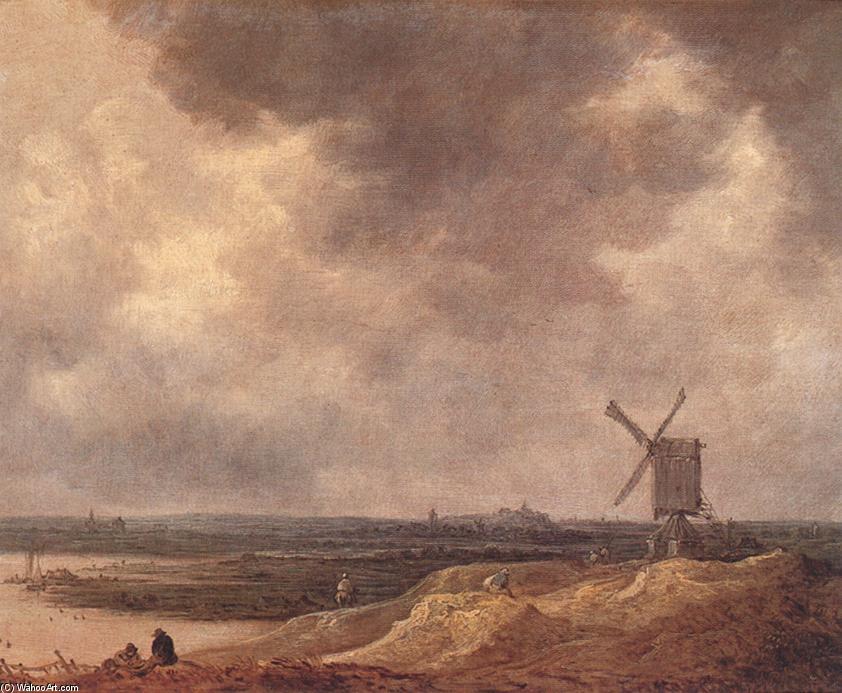
Windmill by a River
 Oil On Canvas
- WallArt
- Dutch Golden Age Landscape
 1642
1642- Early Modern
 29.0 x 36.0 cm
 National Gallery
 Read More
Purchase a high-resolution, enhanced digital image, far superior to the online preview.
Each file is meticulously prepared by our in-house specialists using advanced tools and expert manual retouching. We ensure every image has exceptional clarity, precise color accuracy, and fine detail.
The final file is delivered via email within 72 hours, optimized for immediate use in professional, editorial, and print environments. This is the same quality trusted by top-tier design studios, publishers, and galleries.
Digital Image
Download a high-resolution file for personal display, printing, and creative projects. ( Buy Print Buy Hand Made Painting)
Included in Every Digital Image Order
Expert Digital Delivery, Guaranteed
When you choose ArtsDot.com, you're not just getting an image - you're receiving a professionally enhanced digital artwork, crafted with precision and backed by a satisfaction guarantee. Here's everything that comes with your order, automatically:

Fast Email Delivery
Your high-resolution digital image file will be emailed to you within 72 hours of ordering - ready for immediate use.

AI-Enhanced Digital File
Your artwork is professionally optimized using advanced AI tools and manual editing, ensuring maximum detail, clarity, and color accuracy.

Free Lifetime Re-Delivery
Accidentally deleted or lost your file? No worries - we'll resend it to you anytime, free of charge.

No Import Fees - Ever
Enjoy your artwork instantly with zero customs, duties, or delivery fees - digital downloads are always tax-free.

Color Accuracy Guarantee
We ensure your digital image reflects the original colors as closely as possible using professional tools and color management.

60-Day Satisfaction Guarantee
If you're not satisfied with your digital image, we'll revise it or refund 100% within 60 days - no questions asked.

100% Money-Back Guarantee
Not satisfied? Get a full refund within 60 days of receiving your digital file - no questions asked.

Bulk Order Discounts
Buy 3 images, save 10% - Buy 5, save 15% - Buy 10+, save 20%. Great for creative projects, galleries, and agencies.
Collectible Description
A Windmill by a River: Tranquility Captured in Tone
Jan van Goyen’s “Windmill by a River,” painted in 1642, stands as an exemplar of Dutch Golden Age landscape painting—a testament to understated beauty and profound observation. More than just depicting a picturesque scene, it embodies a philosophical stance: capturing ‘emotion remembered in tranquillity,’ as poet William Wordsworth eloquently described poetry itself.
The painting’s immediate impact is one of serene stillness. Dominated by muted grays, browns, and greens—a palette characteristic of the tonal phase—it eschews the vibrant hues favored by earlier artists. Instead, Van Goyen skillfully employs subtle tonal variations to convey atmosphere—the dampness of the riverside air, the diffused light filtering through the overcast sky.
A large windmill dominates the composition, its weathered sails gracefully turning against a backdrop of turbulent clouds. This isn’t merely a visual element; it symbolizes resilience and perseverance – qualities deeply rooted in Dutch Calvinist beliefs. The windmill's presence anchors the scene, providing a focal point amidst the expansive landscape.
Scattered figures populate the riverside—tiny individuals engaged in mundane activities like tending boats or digging for bait. These figures are deliberately positioned off-center and rendered faceless, emphasizing their detachment from the grand scheme of things yet simultaneously imbuing them with individual character. They represent humanity’s connection to nature, albeit a quiet one.
In the distance, church spires pierce through the hazy horizon—a visual reminder of faith and tradition. The spire on the steep cliff face adds dramatic tension to the scene, highlighting the vulnerability of human structures against the forces of nature. Van Goyen’s masterful use of perspective reinforces this feeling of boundless space.
The artist's technique is characterized by delicate brushstrokes—almost imperceptible to the untrained eye—that contribute to the painting’s ethereal quality. These marks capture not just the visual contours of the landscape but also its emotional essence. Van Goyen’s meticulous attention to detail elevates the scene beyond mere representation, transforming it into a deeply felt experience.
“Windmill by a River” continues to resonate with viewers today because it speaks to a fundamental human desire—the yearning for beauty and contemplation amidst the complexities of life. It exemplifies Van Goyen’s ability to distill the essence of Dutch landscape painting into a single, unforgettable image – an enduring symbol of tranquility and artistic mastery.
Related Artworks
Artist Biography
Jan Josephszoon van Goyen: A Life in Landscape
Early Life and Training
- Born on January 13, 1596, in Leiden, Netherlands, Jan Josephszoon van Goyen emerged as a pivotal figure in Dutch Golden Age painting.
- He initially apprenticed in Leiden before furthering his studies under Esaias van de Velde in Haarlem. This foundational training proved crucial to his artistic development.
Artistic Style and Development
- Van Goyen’s style is immediately recognizable for its simplicity, subtle tonal variations, and use of a limited palette – primarily grays, browns, and greens.
- He moved away from the more colorful and detailed landscapes popular at the time, pioneering a more realistic and atmospheric approach.
- His early works show influence from Van de Velde, but he quickly developed his own distinctive style focusing on capturing the essence of Dutch landscapes.
Prolific Output and Notable Works
- Van Goyen was an incredibly prolific artist, producing an estimated 1,200 paintings and over 1,000 drawings throughout his career.
- Notable works include: River Landscape with Windmill, a quintessential example of his tonal landscapes; and Fishermen by the Lakeshore, showcasing his ability to depict serene waterscapes.
- He frequently painted scenes of rivers, lakes, dunes, and expansive skies, capturing the unique character of the Dutch countryside.
Influences and Legacy
- While influenced by Van de Velde, Van Goyen’s work itself became highly influential.
- He directly impacted artists such as Jan Steen, who was one of his pupils.
- His emphasis on realism and atmospheric effects paved the way for later landscape painters.
Financial Struggles and Later Life
- Despite his artistic success, Van Goyen faced significant financial difficulties throughout his life.
- He engaged in various business ventures, including tulip speculation (during “Tulip Mania”) and real estate investments, but often found himself deeply in debt.
- At the time of his death on April 27, 1656, in The Hague, he was reportedly 18,000 guilders in debt.
Historical Significance
- Van Goyen’s work is considered a cornerstone of Dutch Golden Age painting and a significant contribution to the development of landscape art.
- He captured the spirit of 17th-century Holland, reflecting its growing prosperity and connection to the land.
- His innovative techniques and realistic depictions continue to inspire artists and captivate audiences today.
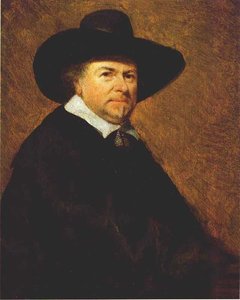
jan josephszoon van goyen
1596 - 1656 , Netherlands
Quick Facts
- Birth Date: January 13, 1596
- Birth Place: Leiden, Netherlands
- Death Date: April 27, 1656
- Influenced: Jan Steen
- Influenced By: Esaias van de Velde
- Movement: Dutch Golden Age painting
- Name: Jan Josephszoon van Goyen
- Nationality: Dutch
- Notable Works:
- River Landscape with Windmill
- Fishermen by the Lakeshore

