 Preview
 Send
Send Share
Share
 Details

 Download
 Similars
 X-Ray
X-Ray Diaporama
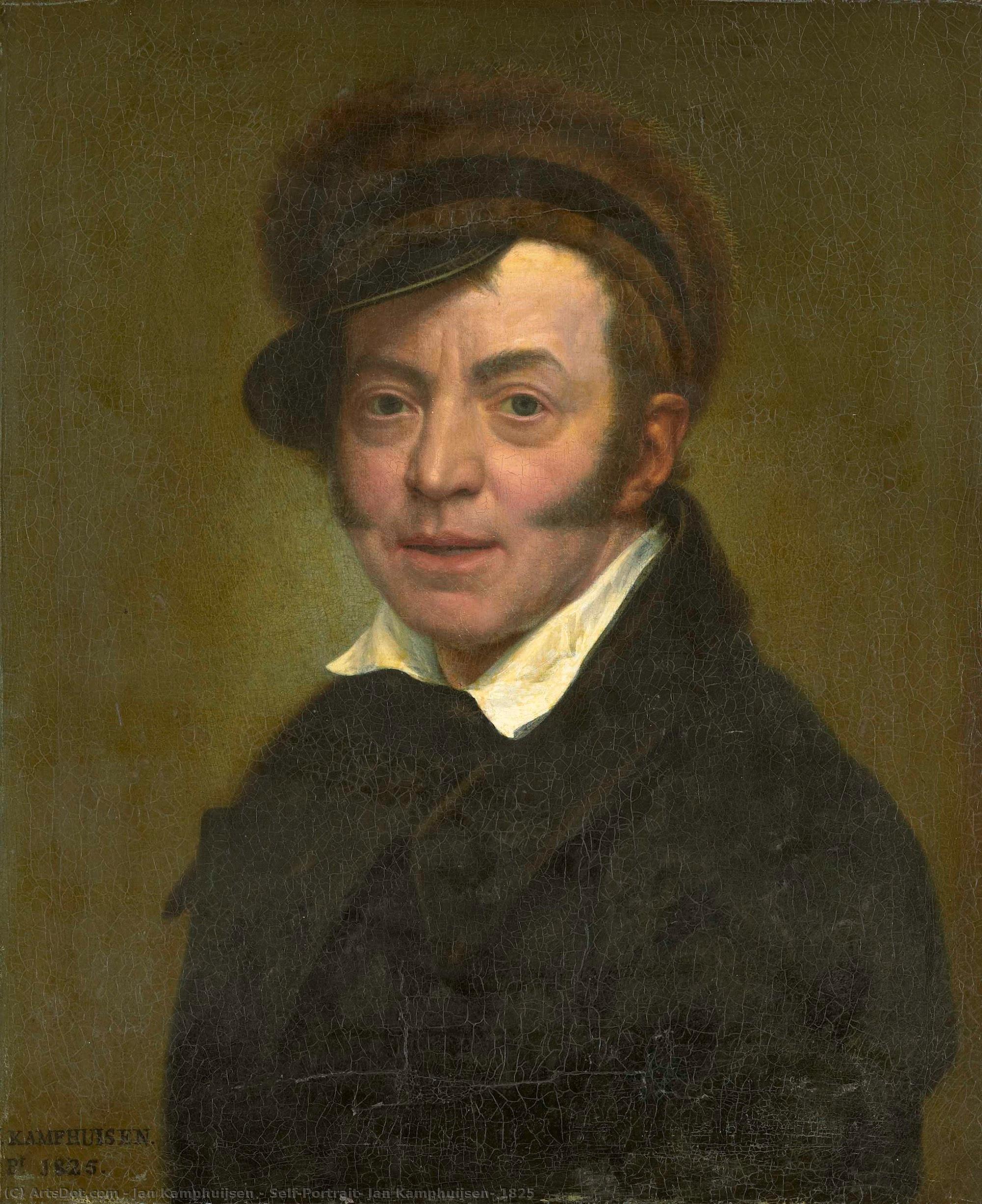
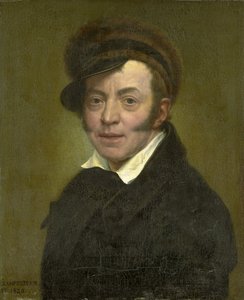
Self-Portrait, Jan Kamphuijsen, 1825
 1825
1825 67.0 x 55.0 cm
 Read More
Hand Made Oil Reproduction
Hand-painted oil on canvas in your size and frame, made to order by our artists. ( Buy Print Buy Image)




































Pick from our preset sizes that match the artwork's original proportions.

You may enter your own dimensions to fit a specific frame or space. If your selected size does not match the original image's proportions, we will either crop the artwork or extend the painting with additional hand-painted elements. A digital mockup will be sent for your approval before production begins.
Please note that the on-screen preview does not reflect the actual cropping or extension. Only the mockup will accurately show the final composition.
While custom sizes are available, we recommend selecting a dimension from the predefined list to preserve the original proportions.
After order, ArtsDot.com team will email client for instructions and provide a mockup preview
Worldwide Delivery () in 3/4 weeks instead of standard 5 weeks. (26 August). No compromise on quality.

Free Worldwide Express Shipping

High-Quality Linen Canvas

Full Shipping Insurance

Customs Tax Refund Guarantee

True Color Matching Guarantee

60-Day Return Policy (Defects Only)

100% Money-Back Guarantee

Bulk Discount Offer
 Glass option is only available in size under 110 CM

Self-Portrait, Jan Kamphuijsen, 1825
Reproduction Medium
Reproduction Size
-


Total Price
$ 263
Artwork Description
Related Artworks








Artist Biography
A Life Immersed in Light: Jan Kamphuijsen and the Serene Interiors of Dutch Art
Jan Kamphuijsen, a name perhaps less immediately recognizable than some of his contemporaries, nevertheless occupies a fascinating niche within the landscape of 18th and early 19th-century Dutch painting. Born in Amsterdam in 1760, he lived through a period of significant societal upheaval – the waning years of the Dutch Golden Age’s influence, the French occupation, and the subsequent establishment of the Kingdom of the Netherlands. His life, though relatively well-documented, reveals an artist deeply connected to his surroundings, translating the elegance of domestic life and allegorical narratives onto canvas with a distinctive sensitivity. Kamphuijsen wasn't merely recording scenes; he was crafting atmospheres, imbued with a quiet theatricality that speaks volumes about the cultural values of his time. He began his artistic journey as a pupil of Pieter Barbiers, a theatre decorator, an apprenticeship that would profoundly shape his approach to composition and perspective. This early training instilled in him a keen eye for detail and a talent for creating convincing illusions of space – skills he later applied not just to interior decorations but also to his landscapes and allegorical works.From Stagecraft to Canvas: The Development of a Unique Style
The influence of Barbiers is crucial to understanding Kamphuijsen’s artistic development. Theatre decoration demanded a mastery of illusionism, the ability to create believable environments within confined spaces. This focus on creating convincing depth and atmosphere carried over into his paintings. While he initially worked extensively in interior design – adorning the homes of Amsterdam's burgeoning merchant class with decorative panels and murals – Kamphuijsen gradually transitioned towards easel painting. His early works often feature meticulously rendered interiors, populated by figures engaged in everyday activities. These scenes are not grand historical narratives but rather intimate glimpses into domestic life, characterized by a soft, diffused light and a sense of peaceful tranquility. As his career progressed, he began to incorporate more allegorical elements into his compositions, reflecting the political and cultural shifts occurring around him. He wasn’t a painter of dramatic action; instead, he favored subtle symbolism and nuanced narratives that invited contemplation rather than immediate interpretation.Allegory and Landscape: Major Themes in Kamphuijsen's Oeuvre
Kamphuijsen’s artistic output can be broadly divided into three main categories: interior decorations, landscapes, and historical allegories. The interiors are notable for their refined elegance and attention to detail, showcasing the comfortable lives of Amsterdam’s middle class. His landscapes, while less numerous, demonstrate a sensitivity to light and atmosphere reminiscent of Dutch Golden Age masters like Jan van Goyen. However, it is his allegorical paintings that truly set him apart. These works often served as visual commentaries on contemporary events or celebrated specific virtues and ideals. A particularly striking example is *Allegory on the Unification of the Netherlandish Schools of Painting and the Return of Works of Art under the rule of King William I* (1817), a complex composition that reflects the national pride following the restoration of Dutch independence. His series depicting the months, such as *December, with the Sign of Capricorn*, are particularly charming, offering serene depictions of mother-child relationships within beautifully rendered domestic settings. These paintings weren’t simply decorative; they were imbued with symbolic meaning, reflecting a broader cultural fascination with astrology and the cyclical nature of time.A Legacy of Serenity: Kamphuijsen's Place in Dutch Art History
Jan Kamphuijsen died in Amsterdam in 1841, leaving behind a body of work that, while not vast, is nonetheless significant for its unique blend of theatricality and tranquility. He wasn’t a revolutionary artist; he didn’t seek to overturn established conventions or challenge prevailing artistic norms. Instead, he refined existing traditions, imbuing them with his own distinctive sensibility. His paintings offer a valuable glimpse into the lives and values of 18th and early 19th-century Dutch society, capturing the elegance of domestic life and the subtle nuances of allegorical narratives.- Key Characteristics: Meticulous detail, soft lighting, serene atmosphere, theatrical compositions.
- Influences: Pieter Barbiers (theatre decoration), Dutch Golden Age landscape painting.
- Major Themes: Interior scenes, landscapes, historical allegories, symbolism of the months and zodiac signs.
jan kamphuijsen
1760 - 1841 , Netherlands
Quick Facts
- Artistic Movement Or Style: Landscape, Allegorical
- Artists Who Influenced This Artist: ['Pieter Barbiers']
- Date Of Birth: 1760
- Date Of Death: 1841
- Full Name: Jan Kamphuijsen
- Nationality: Dutch
- Notable Artworks:
- December with Capricorn
- Self-Portrait
- July with the sign of Leo
- Place Of Birth: Amsterdam, Netherlands