 Preview
 Send
Send Share
Share
 Details

 Download
 Similars
 X-Ray
X-Ray Diaporama
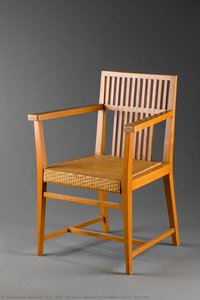
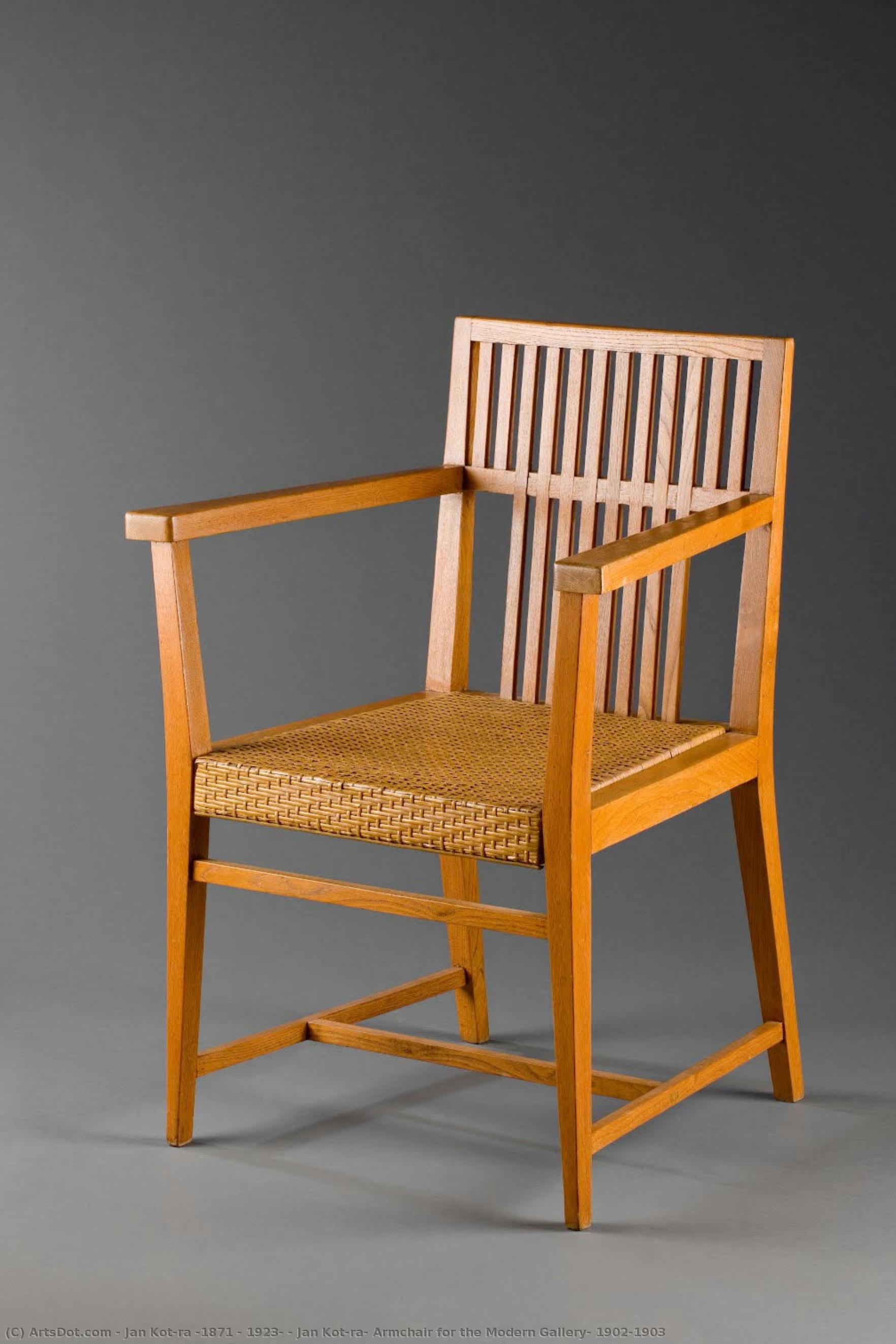
Jan Kotěra: Armchair for the Modern Gallery, 1902–1903
 1903
1903 90.0 x 63.0 cm
 Museum of Decorative Arts
 Read More
Giclée / Art Print
Museum-quality giclée or canvas print with fast production and flexible finish options. ( Buy Hand Made Painting Buy Image)




































Pick from our preset sizes that match the artwork's original proportions.

You may enter your own dimensions to fit a specific frame or space. If your selected size does not match the original image's proportions, we will either crop the artwork or extend the image with a mirrored or solid-fill edge. A digital mockup will be sent for your approval before production begins.
Please note that the on-screen preview does not reflect the actual cropping or extension. Only the mockup will accurately show the final composition.
While custom sizes are available, we recommend selecting a dimension from the predefined list to preserve the original proportions.
Worldwide Delivery () in 2 weeks instead of standard 4/5 weeks. (29 August)

Free Worldwide Express Shipping

High-Quality Linen Canvas

Full Shipping Insurance

Customs Tax Refund Guarantee

True Color Matching Guarantee

60-Day Return Policy (Defects Only)

100% Money-Back Guarantee

Bulk Discount Offer
 Glass option is only available in size under 110 CM

Jan Kotěra: Armchair for the Modern Gallery, 1902–1903
Giclée / Art Print
Reproduction Size
-


Total Price
$ 63
Related Artworks









Artist Biography
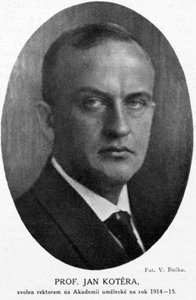
Jan Kotěra: The Architect of Bohemian Modernism
Jan Kotěra (18 December 1871 – 17 April 1923) stands as a monumental figure in Czech architectural history, recognized not merely for constructing buildings but for shaping the very ethos of modern Bohemian art and design. Born in Brno, Moravia—then part of Austro-Hungary—Kotěra’s formative years instilled within him a profound appreciation for both tradition and innovation, a duality that would define his artistic trajectory throughout his life. His early studies at Vienna University under Otto Wagner proved pivotal, exposing him to the burgeoning Viennese Secession movement and establishing Wagner's influence as a cornerstone of Kotěra’s aesthetic sensibilities. This exposure fostered an understanding of how architectural design could transcend mere functionality, embracing expressive forms rooted in cultural heritage.- Early Influences & Vienna Secession: Kotěra’s artistic vision was irrevocably shaped by the Secession’s rejection of academic conventions. He absorbed Wagner's emphasis on sculptural form and monumental grandeur, translating these principles into his own architectural endeavors.
- Return to Prague & The Mánes Union: Upon returning to Prague in 1897, Kotěra became instrumental in establishing the Mánes Union of Fine Arts—a crucible for Czech nationalist artistic fervor—solidifying his role as a champion of avant-garde ideals within Bohemia.
Notable Architectural Achievements
Kotěra’s architectural legacy is characterized by an astonishing breadth and depth, encompassing projects ranging from grand civic buildings to intimate residential villas. His contribution to Czech architecture is undeniable, marked by a distinctive stylistic fusion that distinguishes him from his contemporaries. Among his most celebrated works are:- East Bohemian Museum (Hradec Králové): Completed in 1908-1912, this museum exemplifies Kotěra’s masterful blend of Gothic Revival and Art Nouveau ornamentation—a testament to his ability to honor tradition while embracing stylistic experimentation.
- Peterka House (Prague): Situated on Wenceslas Square, Peterka House embodies Kotěra's commitment to monumental design and sculptural integration, reflecting the grandeur of Prague’s civic landscape.
- National House (Prostějov): Constructed in 1907, Prostějov’s National House stands as a beacon of Czech modernist architecture—characterized by its striking façade and innovative structural solutions.
- Trmalova Villa: Built in Prague-Strašnice in 1902–04, Trmalova Villa represents Kotěra's pioneering exploration of rustic architectural aesthetics, blending natural materials with refined artistic craftsmanship.
- Faculty of Law of Charles University (Prague): Completed in 1924–1927, this building showcases Kotěra’s ability to synthesize classical and modern stylistic elements—a harmonious blend that reflects the intellectual spirit of Prague’s university campus.
Legacy & Influence
Jan Kotěra's impact extended far beyond his own architectural creations, shaping the artistic landscape of Bohemia for decades to come. He mentored a generation of Czech architects—Josef Gočár among them—who would carry forward Kotěra’s modernist vision and establish Czechoslovakia as a bastion of avant-garde design. His unwavering belief in the transformative power of art—particularly its capacity to elevate everyday life—continues to inspire architectural discourse today. Furthermore, his work served as an inspiration for subsequent generations of artists and designers, cementing his place as one of the most influential figures in Czech artistic history. Kotěra’s enduring legacy resides not only in the buildings he erected but also in the spirit of innovation and beauty that permeated his entire oeuvre—a testament to his singular genius and unwavering dedication to architectural excellence.Further Exploration
For a deeper understanding of Jan Kotěra's life and work, consult these resources:- Wikipedia:
jan kotěra (1871 – 1923)
1871 - 1923 , Czech Republic
Quick Facts
- Artistic Movement Or Style: Vienna Secession; Modern Bohemian architecture
- Artists Or Movements Influenced By This Artist: ['Josef Gočár']
- Artists Who Influenced This Artist: ['Otto Wagner']
- Date Of Birth: December 18, 1871
- Date Of Death: April 17, 1923
- Full Name: Jan Kotěra
- Nationality: Czech
- Notable Artworks:
- East Bohemian Museum
- Peterka House Prague
- National House Prostějov
- Trmalova Villa
- Place Of Birth: Brno, Czech Republic