


 Preview
 Send
Send Share
Share
 Details

 Download
 Similars
 X-Ray
X-Ray Diaporama
 Stats
StatsA wooded landscape with travellers and huntsmen on a path
 124.0 x 191.0 cm
 Read More
Purchase a high-resolution, enhanced digital image, far superior to the online preview.
Each file is meticulously prepared by our in-house specialists using advanced tools and expert manual retouching. We ensure every image has exceptional clarity, precise color accuracy, and fine detail.
The final file is delivered via email within 72 hours, optimized for immediate use in professional, editorial, and print environments. This is the same quality trusted by top-tier design studios, publishers, and galleries.
Digital Image
Download a high-resolution file for personal display, printing, and creative projects. ( Switch to Print Buy Hand Made Painting)
Included in Every Digital Image Order
Expert Digital Delivery, Guaranteed
When you choose ArtsDot.com, you're not just getting an image - you're receiving a professionally enhanced digital artwork, crafted with precision and backed by a satisfaction guarantee. Here's everything that comes with your order, automatically:

Fast Email Delivery
Your high-resolution digital image file will be emailed to you within 72 hours of ordering - ready for immediate use.

AI-Enhanced Digital File
Your artwork is professionally optimized using advanced AI tools and manual editing, ensuring maximum detail, clarity, and color accuracy.

Free Lifetime Re-Delivery
Accidentally deleted or lost your file? No worries - we'll resend it to you anytime, free of charge.

No Import Fees - Ever
Enjoy your artwork instantly with zero customs, duties, or delivery fees - digital downloads are always tax-free.

Color Accuracy Guarantee
We ensure your digital image reflects the original colors as closely as possible using professional tools and color management.

100-Day Satisfaction Guarantee
If you're not satisfied with your digital image, we'll revise it or refund 100% within 100 days - no questions asked.

100% Money-Back Guarantee
Not satisfied? Get a full refund within 100 days of receiving your digital file - no questions asked.

Bulk Order Discounts
Buy 3 images, save 10% - Buy 5, save 15% - Buy 10+, save 20%. Great for creative projects, galleries, and agencies.
Related Artworks

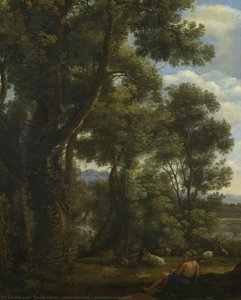


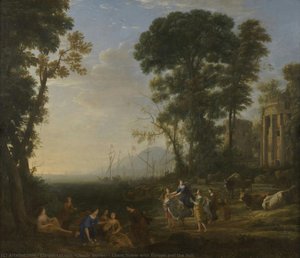


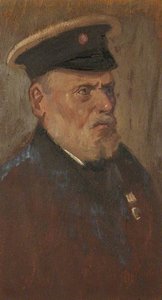


Artist Biography
Jan Looten: A Dutch Landscape Painter of the Seventeenth Century
Jan Looten, a name perhaps less familiar than those of his contemporaries in the bustling art scene of 17th-century Holland, nevertheless holds a significant place within the history of landscape painting. Born around 1618 in Amsterdam and passing away circa 1681 in the Kingdom of England, Looten’s career unfolded across multiple countries, reflecting the shifting artistic currents and economic opportunities of his time. His work, characterized by serene woodland scenes, evocative travel motifs, and a subtle engagement with Baroque aesthetics, offers a glimpse into a period of transition and experimentation within Dutch art.
Looten's early life remains somewhat shrouded in mystery, though records indicate he was the son of Laurens Jansz Loten, another painter active in Amsterdam. He joined the city’s militia in 1643, suggesting a degree of civic engagement alongside his artistic pursuits. His style initially drew inspiration from figures like Jacob van Ruisdael, known for his atmospheric depictions of Dutch landscapes, but Looten quickly developed a distinctive voice, incorporating elements of Romanist painting – a trend popular among artists seeking to emulate the grandeur and classical ideals of ancient Rome – into his compositions. This influence is particularly evident in the carefully rendered architectural details and the use of light and shadow that characterize many of his works.
The English Chapter: London and Beyond
Around 1664, Looten embarked on a significant shift in his career, relocating to London. This move coincided with a wave of Dutch artists seeking patronage and economic stability in England following the Restoration. His presence in London was relatively brief but impactful; Samuel Pepys, the famous diarist, famously visited Looten’s studio in 1669, expressing little enthusiasm for the artist's work and recommending him to Simon Verelst, a more commercially successful painter at the time. This anecdote highlights the competitive landscape of the art market during that era.
During his time in England, Looten produced four landscapes which are now part of the Royal Collection, two of which were painted around 1675 for King James II. These works—depictions of wooded hillsides and meandering rivers—demonstrate Looten’s ability to capture the beauty of the English countryside while maintaining a distinctly Dutch sensibility. His work reflects an interest in both topographical accuracy and atmospheric effects, creating images that are both detailed and emotionally resonant.
Technique and Influences
Looten's technique was characterized by a meticulous attention to detail and a skillful use of light and shadow. He frequently employed a combination of pen and ink, brown ink, grey wash, and black chalk to create his landscapes. His compositions often feature a central tree or group of trees, strategically placed within the scene to draw the viewer's eye. The influence of Jacob van Ruisdael is readily apparent in Looten’s use of atmospheric perspective and his ability to convey a sense of depth and space. However, Looten also incorporated elements of Romanist painting, particularly in the rendering of architectural details and the use of classical motifs.
Furthermore, it's important to note that Looten collaborated with Jan Griffier, another painter who worked for him during part of his time in England. Griffier’s work as a draughtsman reflects his training by Roelant Roghman; as an etcher, he is remembered for a series of plates of birds after Francis Barlow. Griffier's city views, invaluable topographical evidence, suggest that his travels in England were extensive.
Legacy and Historical Significance
While Jan Looten may not be as widely celebrated as some of his contemporaries, his work represents an important chapter in the history of Dutch landscape painting. His journey from Amsterdam to London reflects the broader artistic migrations of the 17th century, while his distinctive style—characterized by a blend of Dutch and Romanist influences—contributes to our understanding of the diverse artistic trends that shaped the period. The four landscapes attributed to Looten held in the Royal Collection serve as tangible reminders of his contribution to British art history.
Looten’s legacy is further cemented by the fact that he taught Jan Griffier, a painter and draftsman who worked for him for a while in the second half of the 1660s. His work is also documented through references in works by Horace Walpole, and his paintings are featured in several exhibitions.
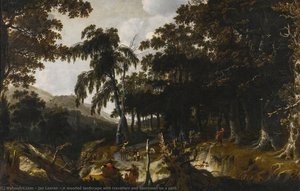
jan looten
1618 - 1681
Quick Facts
- Artistic Movement Or Style: Landscape painting
- Artists Or Movements Influenced By This Artist: ['Simon Verelst']
- Artists Who Influenced This Artist: ['Jacob van Ruisdael']
- Date Of Birth: 1618/1617 (Amsterdam)
- Date Of Death: c. 1681 (York?)
- Full Name: Jan Looten
- Nationality: Dutch
- Notable Artworks:
- Rocky Wooded River Landscape
- Wooded Hilly Landscape
- Place Of Birth: Amsterdam, Netherlands