

 Preview
 Send
Send Share
Share
 Details

 Download
 Similars
 X-Ray
X-Ray Diaporama
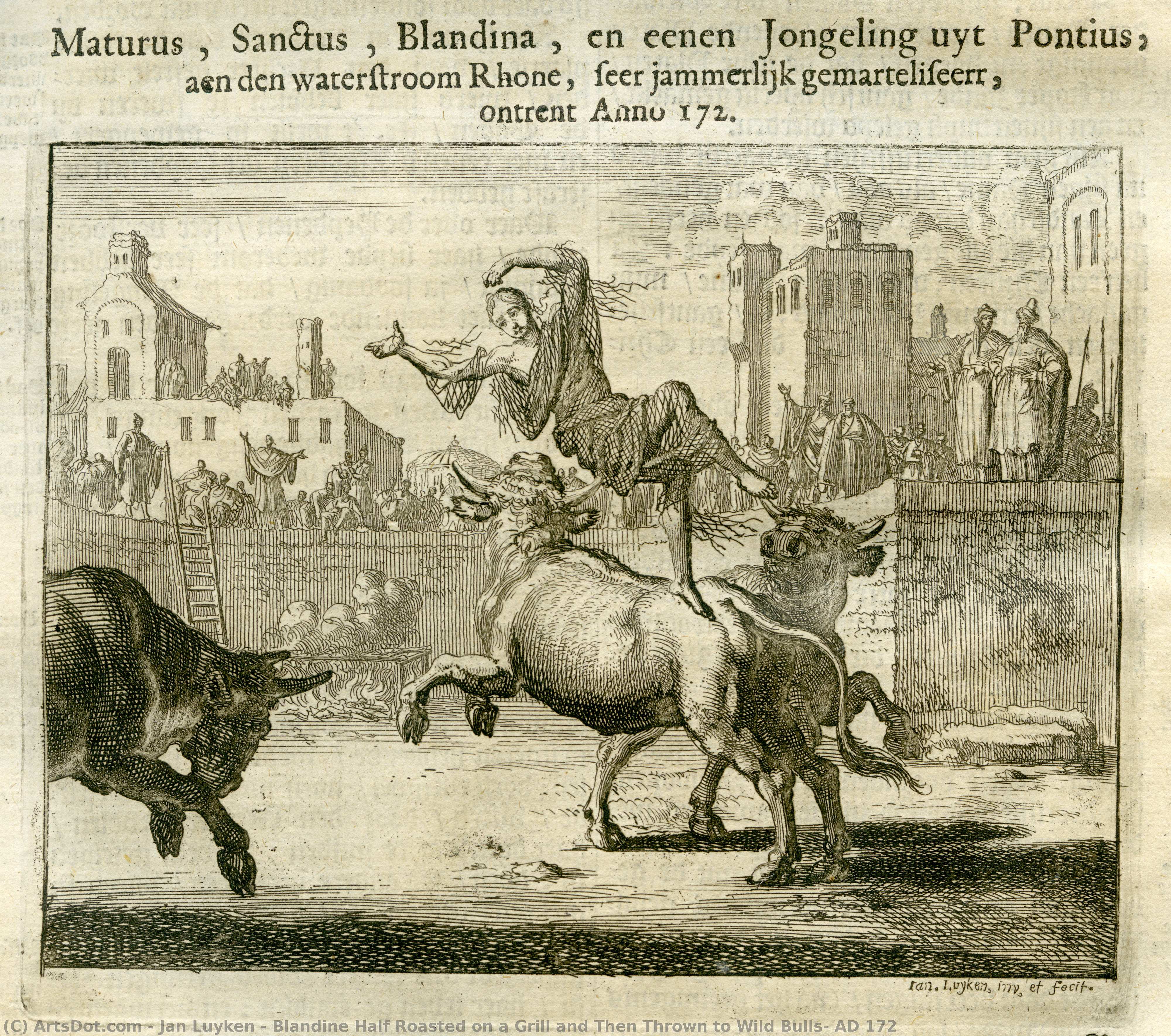
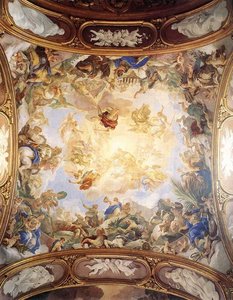
Blandine Half Roasted on a Grill and Then Thrown to Wild Bulls, AD 172


 Read More
Purchase a high-resolution, enhanced digital image, far superior to the online preview.
Each file is meticulously prepared by our in-house specialists using advanced tools and expert manual retouching. We ensure every image has exceptional clarity, precise color accuracy, and fine detail.
The final file is delivered via email within 72 hours, optimized for immediate use in professional, editorial, and print environments. This is the same quality trusted by top-tier design studios, publishers, and galleries.
Digital Image
Download a high-resolution file for personal display, printing, and creative projects. ( Buy Print Buy Hand Made Painting)
Included in Every Digital Image Order
Expert Digital Delivery, Guaranteed
When you choose ArtsDot.com, you're not just getting an image - you're receiving a professionally enhanced digital artwork, crafted with precision and backed by a satisfaction guarantee. Here's everything that comes with your order, automatically:

Fast Email Delivery
Your high-resolution digital image file will be emailed to you within 72 hours of ordering - ready for immediate use.

AI-Enhanced Digital File
Your artwork is professionally optimized using advanced AI tools and manual editing, ensuring maximum detail, clarity, and color accuracy.

Free Lifetime Re-Delivery
Accidentally deleted or lost your file? No worries - we'll resend it to you anytime, free of charge.

No Import Fees - Ever
Enjoy your artwork instantly with zero customs, duties, or delivery fees - digital downloads are always tax-free.

Color Accuracy Guarantee
We ensure your digital image reflects the original colors as closely as possible using professional tools and color management.

60-Day Satisfaction Guarantee
If you're not satisfied with your digital image, we'll revise it or refund 100% within 60 days - no questions asked.

100% Money-Back Guarantee
Not satisfied? Get a full refund within 60 days of receiving your digital file - no questions asked.

Bulk Order Discounts
Buy 3 images, save 10% - Buy 5, save 15% - Buy 10+, save 20%. Great for creative projects, galleries, and agencies.
Related Artworks


Artist Biography
The Engraved World of Jan Luyken: A Life Dedicated to Moral Tales
Jan Luyken, born in Amsterdam in 1648 and passing away in the same city in 1712, was a Dutch engraver whose prolific output shaped the visual landscape of late 17th- and early 18th-century Holland. Though not widely celebrated today as some of his contemporaries, Luyken’s work offers a fascinating window into the religious and social values of the period, particularly those embraced by the Pietist movement. His life was marked by both artistic dedication and personal turmoil, experiences that profoundly influenced the themes he explored in his engravings. Initially trained as a painter, Luyken quickly discovered a talent for engraving, a medium perfectly suited to his meticulous nature and burgeoning interest in narrative storytelling. He wasn’t born into privilege; his early struggles with poverty and even imprisonment are documented, adding layers of complexity to understanding his later focus on repentance and divine grace.From Painterly Beginnings to Engraving's Embrace
Luyken’s artistic journey began under the tutelage of several established painters, including Jan van Veen, a respected historical painter. However, he found limited success in this field, partly due to his restless spirit and perhaps a lack of consistent patronage. The turning point came with his embrace of engraving. This wasn't merely a shift in technique; it was a fundamental change in how he conceived of art itself. Engraving allowed for greater precision, detail, and crucially, reproducibility – essential qualities for disseminating moral lessons to a wider audience. He honed his skills through diligent study of the works of other masters, including Rembrandt van Rijn, whose dramatic use of light and shadow would become a defining characteristic of Luyken’s style. He also collaborated with prominent poets and writers, most notably Jacobus Koelman, a fervent Pietist whose writings provided the textual basis for many of Luyken's most famous series. This collaboration was pivotal; it wasn’t simply illustration but a symbiotic relationship where image and text reinforced each other to convey powerful spiritual messages.The Handboek and the Pietist Vision
Luyken is best known for his monumental work, the Handboek (Handbook), published in installments between 1708 and 1711. This ambitious project comprised over 96 engravings accompanied by rhyming verses penned by Koelman. The Handboek isn’t a collection of grand historical scenes or portraits of the wealthy; instead, it depicts everyday life – scenes of labor, poverty, temptation, and redemption. The images are often stark and unflinching, portraying the harsh realities of existence alongside hopeful visions of salvation. Central to the Handboek’s message is the Pietist emphasis on personal piety, inner faith, and a rejection of formal religious institutions. Luyken's engravings vividly illustrate Koelman’s verses, which often warned against worldly pleasures and encouraged a life devoted to God. The series wasn’t intended for an elite audience but rather for ordinary people – merchants, artisans, laborers – offering them accessible visual parables about the importance of living a virtuous life. The success of the Handboek cemented Luyken's reputation as a master engraver and a powerful voice within the Pietist community.Style and Technique: A Master of Detail and Drama
Luyken’s engraving style is characterized by its remarkable detail, precision, and dramatic use of light and shadow – qualities undoubtedly influenced by his early exposure to Rembrandt's work. He employed a technique known as hatching, using closely spaced parallel lines to create tonal variations and depth. This meticulous approach allowed him to render textures with incredible realism, from the rough fabric of a peasant’s clothing to the weathered faces of working men and women. However, Luyken wasn't simply interested in technical virtuosity; he used his skills to enhance the emotional impact of his images. His compositions are often carefully constructed to draw the viewer’s eye to key elements – a moment of moral crisis, an act of repentance, or a glimpse of divine intervention. He was also adept at creating atmospheric effects, using light and shadow to evoke mood and symbolism. The overall effect is one of immediacy and emotional resonance, making his engravings particularly effective as vehicles for conveying moral lessons.Legacy and Historical Significance
While Luyken’s work fell somewhat into obscurity after his death, it has experienced a resurgence of interest in recent decades. Scholars now recognize him as a significant figure in Dutch art history, not only for his technical skill but also for the unique insights he provides into the religious and social landscape of his time. His engravings offer a rare glimpse into the lives and beliefs of ordinary people during the Golden Age. The Handboek, in particular, remains a valuable historical document, revealing the Pietist movement’s emphasis on personal piety, social justice, and a rejection of materialism. Luyken's influence can be seen in the work of later engravers who adopted his style and themes. More broadly, his engravings serve as a reminder of the power of art to shape moral values and inspire spiritual reflection. He wasn’t merely documenting reality; he was actively constructing it – offering a vision of a more virtuous world through the evocative power of image and text.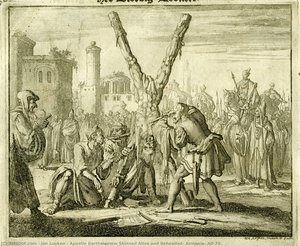
Quick Facts
- Artistic Movement Or Style: Engraving, Baroque
- Date Of Death: Living
- Full Name: Jan Luyken
- Nationality: Dutch
- Notable Artworks:
- The Beggars
- The Robbers
- The Murder

