 Preview
 Send
Send Share
Share
 Details

 Download
 Similars
 X-Ray
X-Ray Diaporama
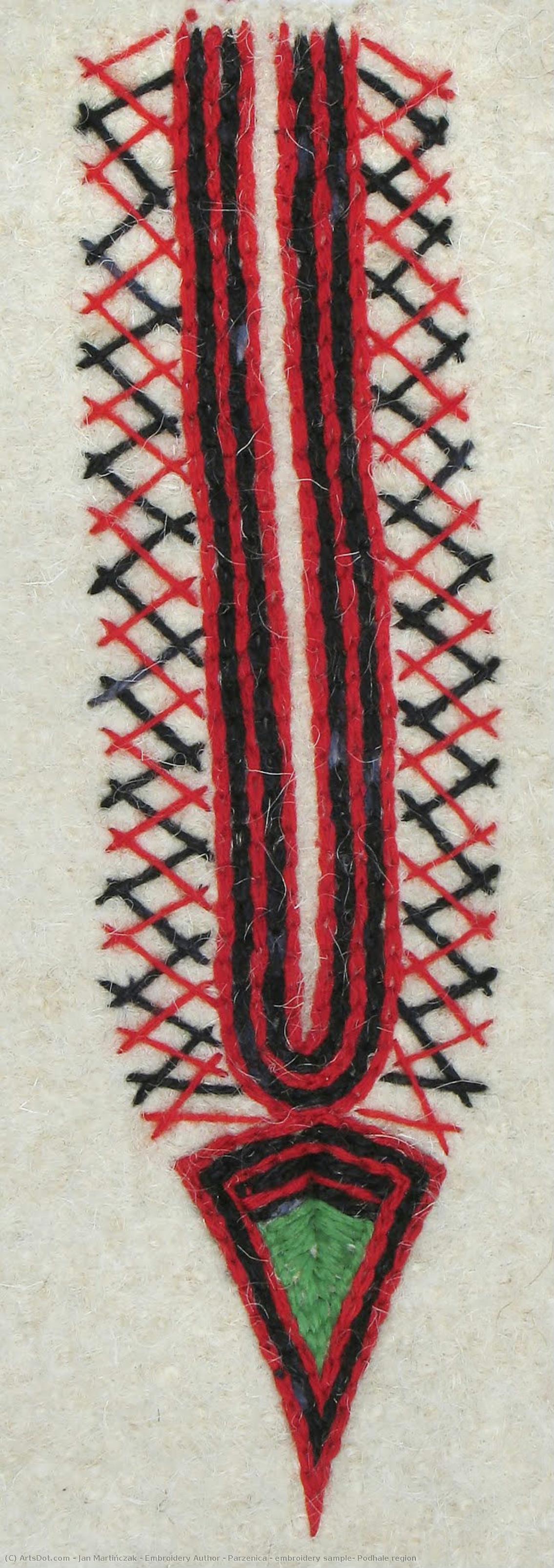
Parzenica - embroidery sample, Podhale region


 Read More
Giclée / Art Print
Museum-quality giclée or canvas print with fast production and flexible finish options. ( Buy Hand Made Painting Buy Image)




































Pick from our preset sizes that match the artwork's original proportions.

You may enter your own dimensions to fit a specific frame or space. If your selected size does not match the original image's proportions, we will either crop the artwork or extend the image with a mirrored or solid-fill edge. A digital mockup will be sent for your approval before production begins.
Please note that the on-screen preview does not reflect the actual cropping or extension. Only the mockup will accurately show the final composition.
While custom sizes are available, we recommend selecting a dimension from the predefined list to preserve the original proportions.
Worldwide Delivery () in 2 weeks instead of standard 4/5 weeks. (5 September)

Free Worldwide Express Shipping

High-Quality Linen Canvas

Full Shipping Insurance

Customs Tax Refund Guarantee

True Color Matching Guarantee

60-Day Return Policy (Defects Only)

100% Money-Back Guarantee

Bulk Discount Offer
 Glass option is only available in size under 110 CM

Parzenica - embroidery sample, Podhale region
Giclée / Art Print
Reproduction Size
-


Total Price
$ 63
Related Artworks









Artist Biography
The Embroidered Soul of the Podhale: Jan Martińczak and the Parzenica Tradition
Jan Martińczak, a name perhaps unfamiliar to many outside the realm of Polish textile art, represents a pivotal figure in the preservation and elevation of parzenica, a uniquely vibrant embroidery style originating from the Podhale region of southern Poland. Born in Poland during the mid-19th century – precise dates remain elusive, typical for artisans whose legacy was built on practice rather than documentation – Martińczak didn’t simply continue a craft; he transformed it. Initially, parzenica served a decidedly practical purpose: reinforcing cuts and worn areas of men's cloth trousers, particularly those favored by the highlanders, or górale. These weren’t decorative flourishes at first, but essential repairs, born from necessity in a harsh mountain environment. The bold geometric patterns and striking color combinations – predominantly reds, blues, greens, and yellows – were initially dictated by available materials and the need for durability.From Utility to Art: A Masterful Evolution
Martińczak’s genius lay in recognizing the inherent artistic potential within this utilitarian form. He moved beyond mere reinforcement, embracing parzenica as a medium for expressive design. While earlier examples of parzenica were often characterized by relatively simple motifs and functional arrangements, Martińczak introduced greater complexity, refinement, and a sense of narrative into his work. His embroideries began to feature increasingly intricate compositions, showcasing not only technical skill but also a deep understanding of color theory and pattern-making. He didn’t abandon the traditional techniques – the characteristic cross-stitch executed on linen or hemp canvas remained central – but he pushed the boundaries of what was considered possible within them. The influence of Flemish Primitive painting, with its bold forms and symbolic imagery, is often cited as a contributing factor to his stylistic development, though direct evidence remains scarce. It’s likely that exposure to broader artistic currents through trade routes and regional exchanges played a role in shaping his aesthetic vision.The Language of Threads: Symbolism and Cultural Identity
Parzenica is far more than just visually appealing ornamentation; it's a visual language steeped in cultural symbolism. The motifs employed – stylized flowers, geometric shapes, and animal representations – carry deep meaning rooted in the beliefs and traditions of the górale community. Martińczak’s work demonstrates a profound sensitivity to this symbolic vocabulary. While specific interpretations can vary, certain elements consistently evoke themes of fertility, protection, prosperity, and connection to nature. The vibrant colors themselves are imbued with significance: red often representing life and passion, blue symbolizing faith and the heavens, and green embodying growth and renewal. By meticulously crafting these symbols into his embroideries, Martińczak not only preserved a traditional art form but also reinforced a powerful sense of cultural identity within the Podhale region. His work became a testament to the resilience and artistic spirit of the górale people.A Lasting Legacy: Preserving a Polish Heritage
Jan Martińczak’s contribution extends beyond his individual creations; he is considered one of the most important figures in safeguarding parzenica embroidery from fading into obscurity. In an era of increasing industrialization and changing cultural landscapes, his dedication to this traditional craft helped ensure its survival. His work inspired subsequent generations of embroiderers, who continue to practice and innovate within the parzenica tradition today. While he didn’t establish formal workshops or schools, his influence permeated the artistic community of Podhale through mentorship and example. Today, Martińczak's embroideries are highly sought after by collectors and museums, representing a significant chapter in Polish textile history. His legacy serves as a powerful reminder of the enduring beauty and cultural significance of handmade art, and the importance of preserving traditional crafts for future generations.
Quick Facts
- Artistic Movement Or Style: Parzenica embroidery
- Full Name: Jan Martíńczak
- Nationality: Polish
- Notable Artworks: ['Podhale Embroidery']
- Place Of Birth: Poland