 Preview
 Send
Send Share
Share
 Details

 Download
 Similars
 X-Ray
X-Ray Diaporama
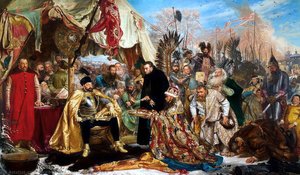
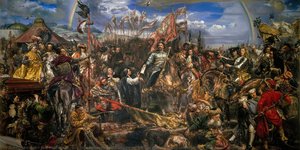
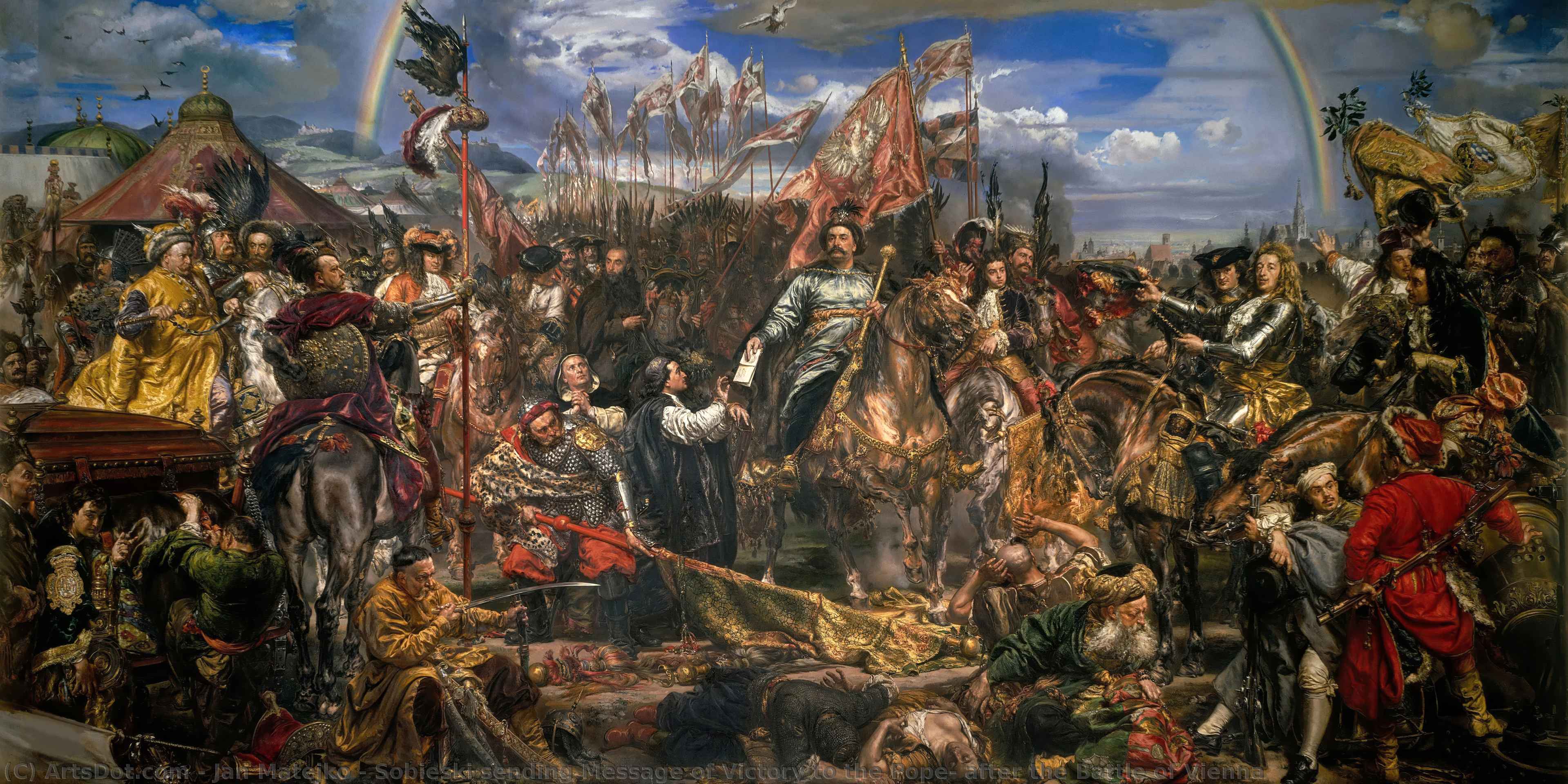
Sobieski sending Message of Victory to the Pope, after the Battle of Vienna

 Read More
Hand Made Oil Reproduction
Hand-painted oil on canvas in your size and frame, made to order by our artists. ( Buy Print Buy Image)




































Pick from our preset sizes that match the artwork's original proportions.

You may enter your own dimensions to fit a specific frame or space. If your selected size does not match the original image's proportions, we will either crop the artwork or extend the painting with additional hand-painted elements. A digital mockup will be sent for your approval before production begins.
Please note that the on-screen preview does not reflect the actual cropping or extension. Only the mockup will accurately show the final composition.
While custom sizes are available, we recommend selecting a dimension from the predefined list to preserve the original proportions.
After order, ArtsDot.com team will email client for instructions and provide a mockup preview
Worldwide Delivery () in 3/4 weeks instead of standard 5 weeks. (16 August). No compromise on quality.

Free Worldwide Express Shipping

High-Quality Linen Canvas

Full Shipping Insurance

Customs Tax Refund Guarantee

True Color Matching Guarantee

60-Day Return Policy (Defects Only)

100% Money-Back Guarantee

Bulk Discount Offer
 Glass option is only available in size under 110 CM

Sobieski sending Message of Victory to the Pope, after the Battle of Vienna
Reproduction Medium
Reproduction Size
-


Total Price
$ 263
Artwork Description
The Historical Context
The painting depicts King John III Sobieski sending a message of victory to Pope Innocent XI after the Battle of Vienna in 1683. This battle was a significant turning point in European history, as it marked the defeat of the Ottoman Empire and saved Europe from further Turkish conquests.Artistic Style
Jan Matejko's style is characterized by his use of Romanticism, which emphasizes emotion, imagination, and individualism. In this painting, he skillfully captures the drama and triumph of the moment, with Sobieski standing proudly amidst his troops and allies.Key Elements
- Composition: The painting is divided into two main sections: the left side features Sobieski and his Polish troops, while the right side depicts the defeated Ottoman forces. - Color Palette: Matejko uses a vibrant color scheme to convey the sense of victory and celebration. The dominant colors are red, gold, and blue, which symbolize courage, wealth, and loyalty. - Figures: Sobieski is portrayed as a strong leader, with his arm outstretched as he hands over the message to Denhoff, a canon of Krakow.Relevance and Legacy
This painting is not only a testament to Matejko's artistic skill but also a celebration of Polish history. It has become an iconic representation of the Battle of Vienna and Sobieski's bravery.Conclusion
Jan Matejko's Sobieski sending Message of Victory to the Pope, after the Battle of Vienna is a masterpiece that combines historical significance with artistic brilliance. It continues to inspire art lovers and historians alike, serving as a reminder of the importance of preserving cultural heritage. For those interested in exploring more of Matejko's works or learning about other historical paintings, visit https://ArtsDot.com for high-quality reproductions and detailed information on various artists and their masterpieces.Related Artworks
![The Battle Of Grunwald [tannenberg] — Jan Matejko, Romantic Historical Painting](/media/artworks/images/thumbnails/3d/0e/3d0e7fdbfd494a6fa807757d11601cf9.jpg)
Artist Biography
early life and education
jan alojzy matejko, a renowned polish painter, was born on june 24, 1838, in kraków, poland. his father, franciszek ksawery matejko, was a czech-born tutor and music teacher. jan's early life was marked by the kraków revolution of 1846 and the 1848 siege of kraków by the austrians, events that would later influence his artistic themes. matejko attended st. ann's high school but dropped out in 1851 due to poor grades. however, he showed exceptional talent for art from an early age. he studied at the school of fine arts in kraków from 1852 to 1858, specializing in historical painting under the tutelage of wojciech korneli stattler and władysław łuszczkiewicz.artistic career
matejko's first major work, tsars shuyski before zygmunt iii, was completed in 1853. he began exhibiting his historical paintings at the kraków society of friends of fine arts in 1855. notable works include:- rejtan (1866): a large oil on canvas painting depicting a pivotal moment in polish history.
- union of lublin (1869): a significant piece showcasing matejko's skill in capturing historical events.
- battle of grunwald (1878): a masterpiece that highlights his ability to convey the intensity of battle scenes.
museological contributions and legacy
matejko spent most of his life in kraków, eventually becoming a director at the jan matejko academy of fine arts, formerly known as the kraków academy of fine arts. his students included prominent painters such as maurycy gottlieb, jacek malczewski, józef mehoffer, and stanisław wyspiański. notable works available on ArtsDot:- jan matejko: varna (romanticism)
- jan matejko: still life (romanticism)
- jan matejko: the union of lublin (298 x 512 cm, romanticism, oil on canvas)
references:
discovering the masterpieces of muzeum narodowe krakow, poland (wikipedia.org)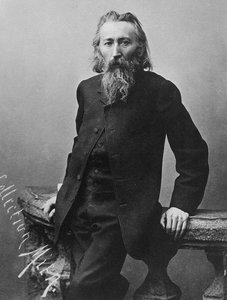
Jan Matejko
1838 - 1893 , Poland
Quick Facts
- Artistic Movement Or Style: Romanticism
- Artists Or Movements Influenced By This Artist: ['Maurycy Gottlieb']
- Artists Who Influenced This Artist:
- Wojciech Korneli Stattler
- Władysław Łuszczkiewicz
- Date Of Birth: June 24, 1838
- Date Of Death: November 1, 1893
- Full Name: Jan Alojzy Matejko
- Nationality: Polish
- Notable Artworks:
- Battle of Grunwald
- Union of Lublin
- Place Of Birth: Kraków, Poland