 Preview
 Send
Send Share
Share
 Details

 Download
 Similars
 X-Ray
X-Ray Diaporama
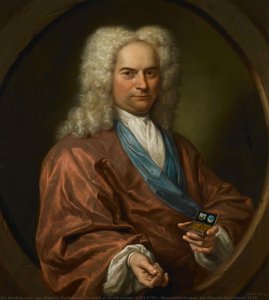
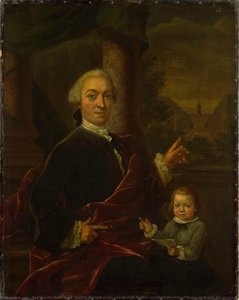
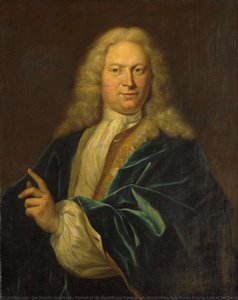
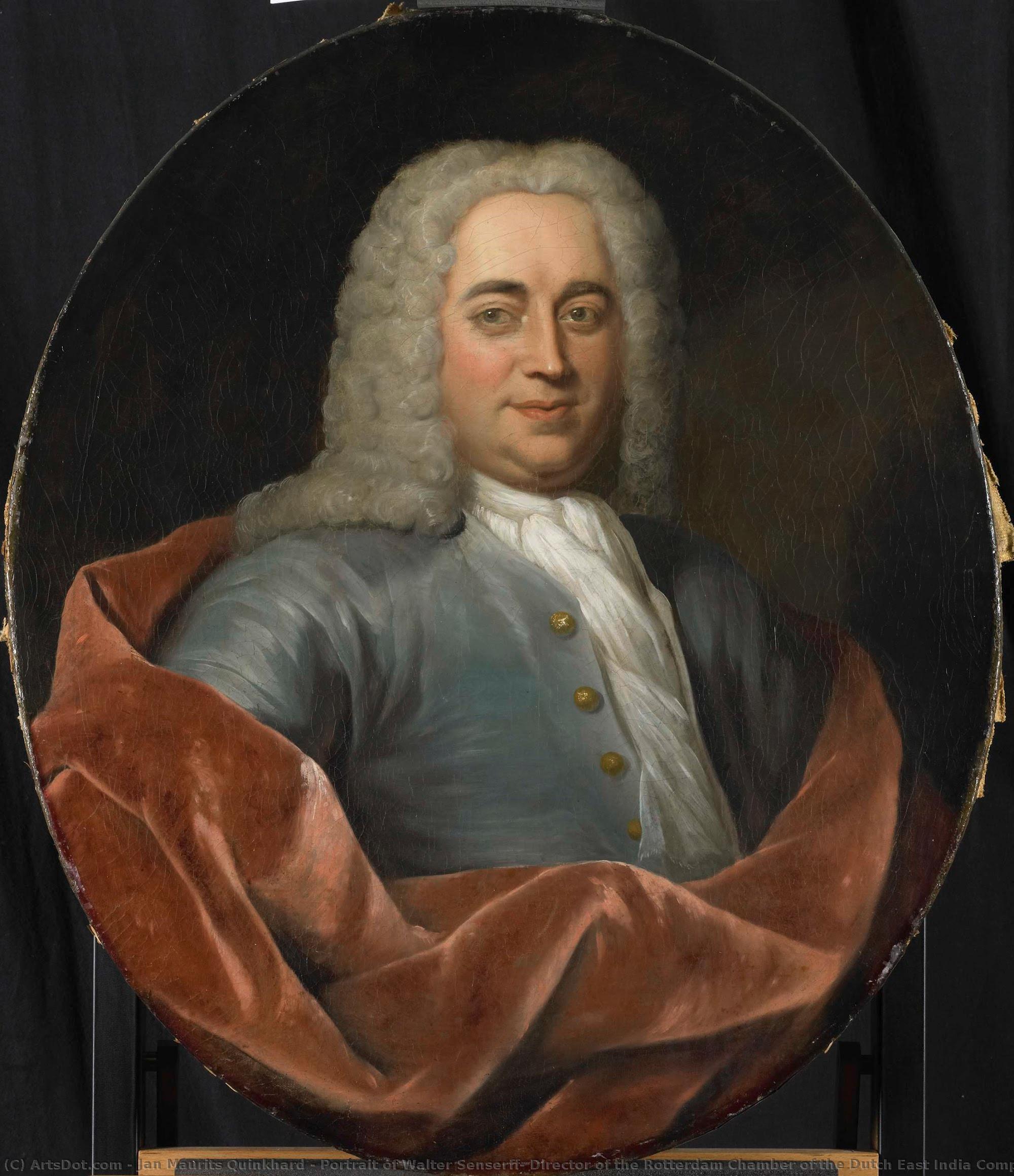
Portrait of Walter Senserff, Director of the Rotterdam Chamber of the Dutch East India Company, elected 1731, Jan Maurits Quinkhard, 1731 - 1772
 1772
1772 82.0 x 68.0 cm
 Read More
Hand Made Oil Reproduction
Hand-painted oil on canvas in your size and frame, made to order by our artists. ( Buy Print Buy Image)




































Pick from our preset sizes that match the artwork's original proportions.

You may enter your own dimensions to fit a specific frame or space. If your selected size does not match the original image's proportions, we will either crop the artwork or extend the painting with additional hand-painted elements. A digital mockup will be sent for your approval before production begins.
Please note that the on-screen preview does not reflect the actual cropping or extension. Only the mockup will accurately show the final composition.
While custom sizes are available, we recommend selecting a dimension from the predefined list to preserve the original proportions.
After order, ArtsDot.com team will email client for instructions and provide a mockup preview
Worldwide Delivery () in 3/4 weeks instead of standard 5 weeks. (16 August). No compromise on quality.

Free Worldwide Express Shipping

High-Quality Linen Canvas

Full Shipping Insurance

Customs Tax Refund Guarantee

True Color Matching Guarantee

60-Day Return Policy (Defects Only)

100% Money-Back Guarantee

Bulk Discount Offer
 Glass option is only available in size under 110 CM

Portrait of Walter Senserff, Director of the Rotterdam Chamber of the Dutch East India Company, elected 1731, Jan Maurits Quinkhard, 1731 - 1772
Reproduction Medium
Reproduction Size
-


Total Price
$ 263
Artwork Description
Related Artworks
Artist Biography
The Legacy of Jan Maurits Quinkhard
In the luminous tapestry of eighteenth-century Dutch art, few names evoke the refined elegance and meticulous craftsmanship of Jan Maurits Quinkhard. Born in 1688 in the historic town of Rees, near Cleves, Quinkhard emerged from a lineage deeply rooted in the artistic traditions of the Northern Netherlands. His early life was shaped by the intimate atmosphere of an artist's studio, as he received his foundational training under the watchful eye of his father, Julius Quinkhardt the Elder. This familial apprenticeship provided him with a profound understanding of the technical rigors required to master light and form, setting the stage for a career defined by subtlety, nuance, and an unwavering commitment to realism.
Quinkhard’s artistic journey was further enriched by his studies under several masters of the era, including Arnold van Boonen and Christoffel Lubinietski. These diverse influences allowed him to weave together traditional Dutch techniques with a burgeoning sense of innovation that would characterize his mature style. His work often transcended mere representation, venturing into the realms of the allegorical and the mythological. By imbuing his canvases with complex symbolism, he invited viewers to look beyond the surface, finding deeper meanings within the delicate interplay of shadow and texture that defined his brushwork.
Mastery of Portraiture and Allegory
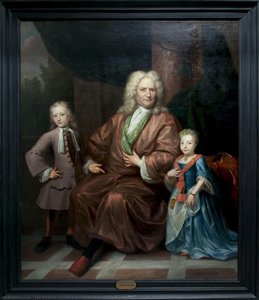
As a painter, Quinkhard possessed a rare ability to capture the very essence of his subjects. He was particularly celebrated as an accomplished portraitist, capable of rendering the dignity and character of the Dutch elite with remarkable precision. One of his most profound achievements can be seen in works such as his Portrait of a Dutch Family, a monumental piece measuring 184 x 155 cm. In this masterpiece, Quinkhard demonstrates an extraordinary command over the subtleties of light, using it to breathe life into fabric, skin, and atmosphere, creating a sense of presence that remains palpable centuries later.
Beyond the individual portrait, his repertoire expanded into grander, more narrative compositions. His fascination with mythological themes allowed him to explore the dramatic and the divine, often collaborating with leading engravers like Jacobus Houbraken to extend the reach of his visual storytelling. This period of his career highlights a sophisticated blending of the human element with the epic scale of classical legend, making his work a cornerstone of the late Dutch Golden Age aesthetic.
Influence and Enduring Significance
The impact of Jan Maurits Quinkhard extends far beyond his own canvases, reaching into the next generation of Dutch masters. His studio served as a crucible for talent, where he mentored several notable pupils, including:
- Jurriaan Andriessen
- Jan de Beijer
- Tibout Regters
- Adriaan Schregardus
- Jan Stolker
- Jan Gerard Waldorp
Through these students, Quinkhard’s dedication to detail and his nuanced approach to light were disseminated throughout the Dutch art scene. Today, his historical significance is preserved in some of the world's most prestigious institutions. The Mauritshuis in The Hague stands as a primary guardian of his legacy, housing works that continue to captivate scholars and art lovers alike. Quinkhard remains a standout figure of the eighteenth century, a painter whose ability to marry the realism of the Dutch tradition with the poetic grandeur of allegory ensures his place in the eternal canon of European art.
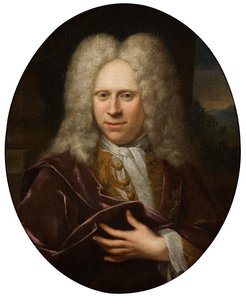
jan maurits quinkhard
1688 - 1772 , Netherlands
Quick Facts
- Artistic Movement Or Style: 18th-century Dutch art
- Artists Or Movements Influenced By This Artist:
- Jurriaan Andriessen
- Jan de Beijer
- Tibout Regters
- Artists Who Influenced This Artist:
- Julius Quinkhardt the Elder
- Arnold van Boonen
- Christoffel Lubinietski
- Date Of Birth: 1688
- Date Of Death: 1772
- Full Name: Jan Maurits Quinkhard
- Nationality: Dutch
- Notable Artworks: ['Portrait of Dutch family']
- Place Of Birth: Rees, Netherlands