

 Preview
 Send
Send Share
Share
 Details

 Download
 Similars
 X-Ray
X-Ray Diaporama
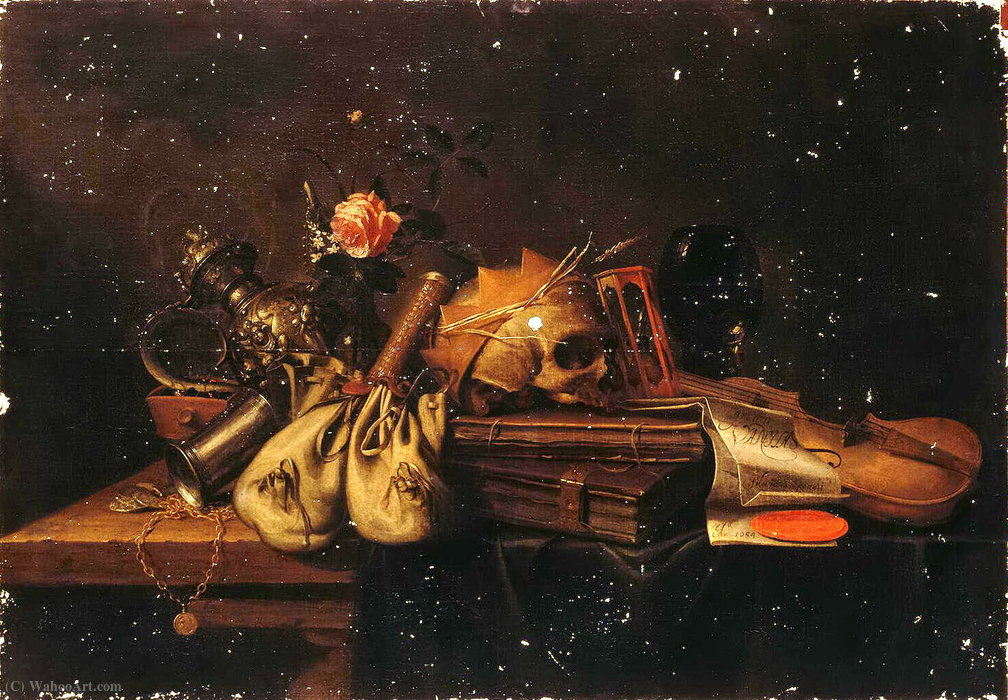
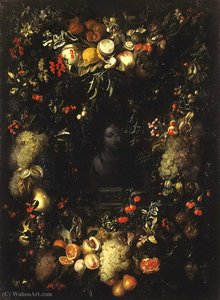
Still life Vanitas (vanity) (1654) (96 x 140) (St. Petersburg, Hermitage)
 Read More
Purchase a high-resolution, enhanced digital image, far superior to the online preview.
Each file is meticulously prepared by our in-house specialists using advanced tools and expert manual retouching. We ensure every image has exceptional clarity, precise color accuracy, and fine detail.
The final file is delivered via email within 72 hours, optimized for immediate use in professional, editorial, and print environments. This is the same quality trusted by top-tier design studios, publishers, and galleries.
Digital Image
Download a high-resolution file for personal display, printing, and creative projects. ( Buy Print Buy Hand Made Painting)
Included in Every Digital Image Order
Expert Digital Delivery, Guaranteed
When you choose ArtsDot.com, you're not just getting an image - you're receiving a professionally enhanced digital artwork, crafted with precision and backed by a satisfaction guarantee. Here's everything that comes with your order, automatically:

Fast Email Delivery
Your high-resolution digital image file will be emailed to you within 72 hours of ordering - ready for immediate use.

AI-Enhanced Digital File
Your artwork is professionally optimized using advanced AI tools and manual editing, ensuring maximum detail, clarity, and color accuracy.

Free Lifetime Re-Delivery
Accidentally deleted or lost your file? No worries - we'll resend it to you anytime, free of charge.

No Import Fees - Ever
Enjoy your artwork instantly with zero customs, duties, or delivery fees - digital downloads are always tax-free.

Color Accuracy Guarantee
We ensure your digital image reflects the original colors as closely as possible using professional tools and color management.

60-Day Satisfaction Guarantee
If you're not satisfied with your digital image, we'll revise it or refund 100% within 60 days - no questions asked.

100% Money-Back Guarantee
Not satisfied? Get a full refund within 60 days of receiving your digital file - no questions asked.

Bulk Order Discounts
Buy 3 images, save 10% - Buy 5, save 15% - Buy 10+, save 20%. Great for creative projects, galleries, and agencies.
Related Artworks



Artist Biography
A Flourishing of Festivity: The Life and Art of Jan Pauwel Gillemans the Elder
Jan Pauwel Gillemans the Elder, a name perhaps less immediately recognizable than some of his Dutch Golden Age contemporaries, nevertheless represents a vital strand in the rich tapestry of 17th-century still life painting. Born in Antwerp – though the exact year remains elusive – Gillemans dedicated his career to capturing the ephemeral beauty of flowers and the lavish abundance of banquet pieces, becoming a highly sought-after artist during his lifetime. While biographical details are scarce, the very nature of his work speaks volumes about the cultural climate he inhabited: a burgeoning merchant class eager to display their wealth and refined tastes through meticulously rendered depictions of material possessions. Gillemans wasn’t simply recording objects; he was crafting symbols of prosperity, pleasure, and the fleeting nature of existence itself. His continued activity into later life suggests a sustained demand for his particular brand of celebratory artistry, a testament to his skill and adaptability within a competitive artistic landscape.The Antwerp Tradition and Early Influences
Gillemans’s formative years were steeped in the artistic traditions of Antwerp, a city that had long been a center for innovation in painting, particularly in still life. The influence of earlier flower painters like Ambrosius Bosschaert the Elder is subtly present in Gillemans's early works – a precise attention to botanical detail and a tendency towards symmetrical arrangements. However, he quickly moved beyond mere imitation, developing a distinctive style characterized by a warmer palette and a more dynamic composition. Crucially, his work reveals a strong connection to the manner of Jan Frans van Son, another prominent Antwerp artist specializing in banquet still lifes. This association is significant; Van Son’s influence can be seen in Gillemans's ability to create a sense of luxurious abundance, with gleaming silver, delicate glassware, and sumptuous fruits arranged on richly draped tables. It wasn’t simply about copying Van Son’s technique but absorbing his understanding of light, texture, and the overall atmosphere of festive indulgence.A Master of Banquet Pieces and Floral Splendor
Gillemans excelled in two primary genres: the *pronkstilleven* (ostentatious still life) – elaborate banquet scenes overflowing with delicacies and precious objects – and flower paintings, often featuring arrangements in glass vases or on tiered stands. His banquet pieces are particularly noteworthy for their masterful rendering of textures; the glint of polished pewter, the translucence of wine glasses, the soft sheen of peaches and grapes all rendered with astonishing realism. He possessed a remarkable ability to convey the tactile qualities of these objects, inviting the viewer to almost reach out and partake in the feast. His flower paintings, while sometimes adhering to more traditional arrangements, are distinguished by their vibrant color palettes and a sense of naturalism that avoids excessive formality. He wasn’t interested in creating idealized botanical studies but rather in capturing the lively beauty of flowers as they would appear in a domestic setting. The inclusion of insects – butterflies, moths, or even humble flies – adds another layer of complexity, subtly reminding us of the transience of beauty and the inevitability of decay.Symbolism Woven into the Canvas
Beyond their aesthetic appeal, Gillemans’s paintings are imbued with symbolism. The objects depicted were rarely chosen at random; they often carried specific meanings related to wealth, prosperity, morality, or religious belief. For example, a half-peeled lemon could represent bitterness alongside sweetness, while oysters symbolized sensuality and luxury. The fleeting nature of flowers themselves served as a *memento mori*, a reminder of the brevity of life. Banquet pieces, with their abundance of food and drink, could be interpreted as celebrations of earthly pleasures but also as warnings against excess and indulgence. Gillemans’s skill lay in subtly incorporating these symbolic elements into his compositions without sacrificing the overall sense of festivity and visual delight. He allowed viewers to engage with the paintings on multiple levels – appreciating their beauty while simultaneously contemplating deeper philosophical themes.Legacy and Historical Significance
While not as widely celebrated as some of his peers, Jan Pauwel Gillemans the Elder occupies an important position in the history of Dutch still life painting. His work represents a continuation of the Antwerp tradition, blending meticulous realism with a vibrant color palette and a keen understanding of symbolism.- His paintings provide valuable insights into the material culture and artistic tastes of the 17th-century merchant class.
- He demonstrated a remarkable ability to capture the textures and luminosity of objects, creating visually stunning compositions.
- His influence can be seen in the work of later still life painters who sought to emulate his mastery of light and color.
Quick Facts
- Artistic Movement Or Style: Dutch Still Life
- Artists Who Influenced This Artist: ['Jan Frans van Son']
- Date Of Death: Living
- Full Name: Jan Pauwel Gillemans the Elder
- Nationality: Dutch
- Notable Artworks:
- Flower paintings
- Banquet scenes
- Fruit still life
- Place Of Birth: Antwerp, Netherlands

